Borevo
Borevo
Borevo
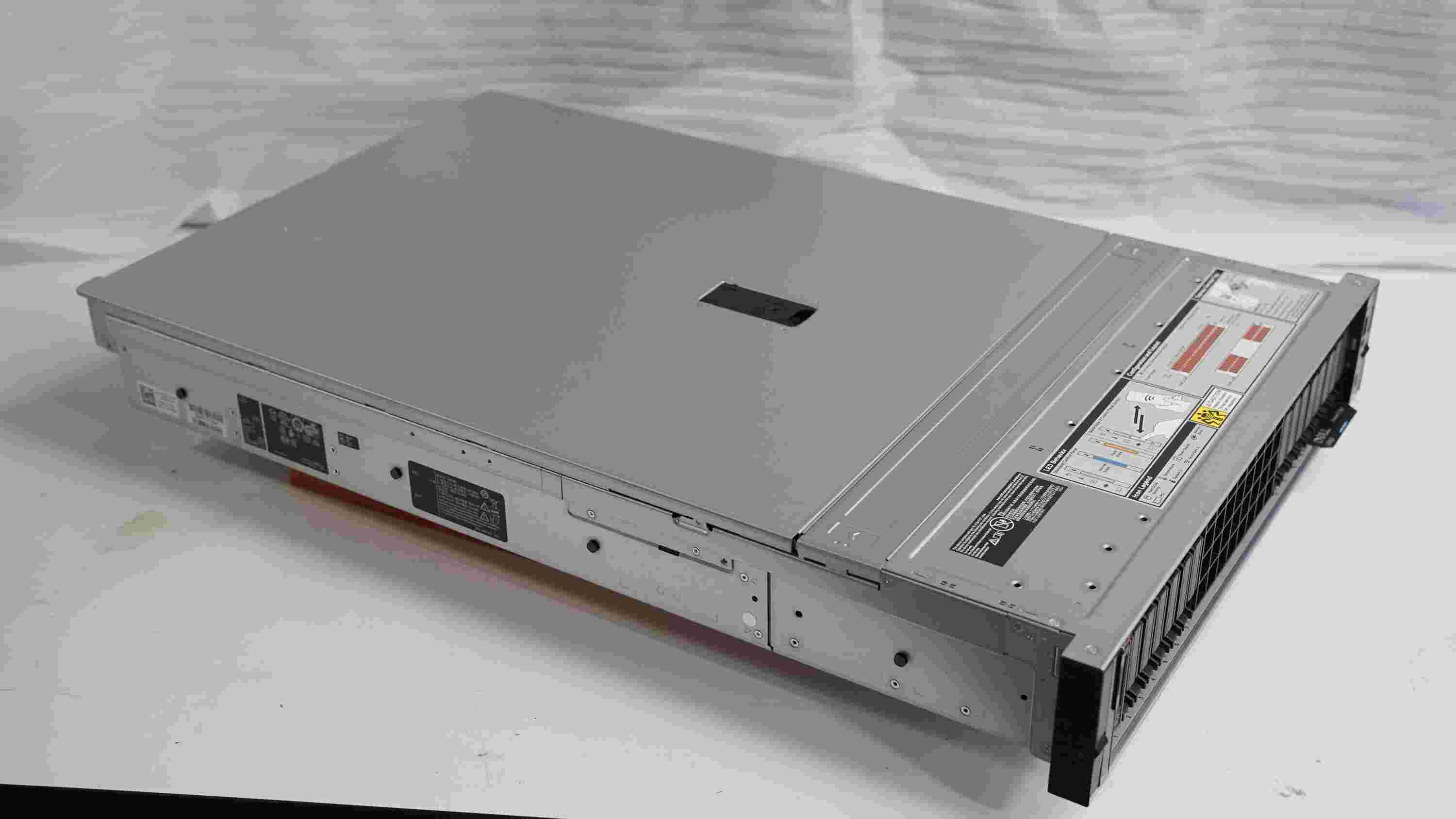
Browse our top-performing server nodes, storage complexes, and high-density computing components optimized for system-level firmware adaptations.
A Technical Exposition on Systemic Reliability, Embedded BMC Security, and Global Supply Integration
In modern hyper-scale data centers, private clouds, and specialized AI computing clusters, hardware performance is only as good as the software managing it at the lowest logical layer. Enterprise firmware upgrades act as the connective tissue between advanced silicon architecture and hypervisors. Across the globe, enterprise deployments are shifting away from static, transactional hardware sales to active lifetime cycle management, where a firmware update is not just a hotfix but a path to unlocking substantial hardware improvements, memory efficiency, and structural safety.
Whether overseeing high-density x86 clusters or implementing complex GPU heterogeneous environments, the strategic orchestration of microcode updates, Unified Extensible Firmware Interface (UEFI) profiles, and Baseboard Management Controller (BMC) configurations is vital. For global purchasers, securing a manufacturer who understands native hardware interactions, remote system management, and deployment integrity at scale is critical.
The enterprise server firmware industry is undergoing a foundational paradigm shift, driven by three major vectors:
Firmware releases signed with robust SHA-256/RSA-4096 algorithms, adhering to NIST SP 800-193 guidelines for Platform Firmware Resiliency.
Custom microcode compilation designed to stabilize memory registers across high-bandwidth GPU chassis and complex server sockets.
Smooth platform telemetry integration, allowing automated cluster deployment, out-of-band diagnostics, and dynamic health alerts.
To meet the demands of global enterprise deployments, hardware solutions must be combined with specialized low-level configurations:
Building robust global hardware foundations with high-caliber design, engineering, and manufacturing capabilities.
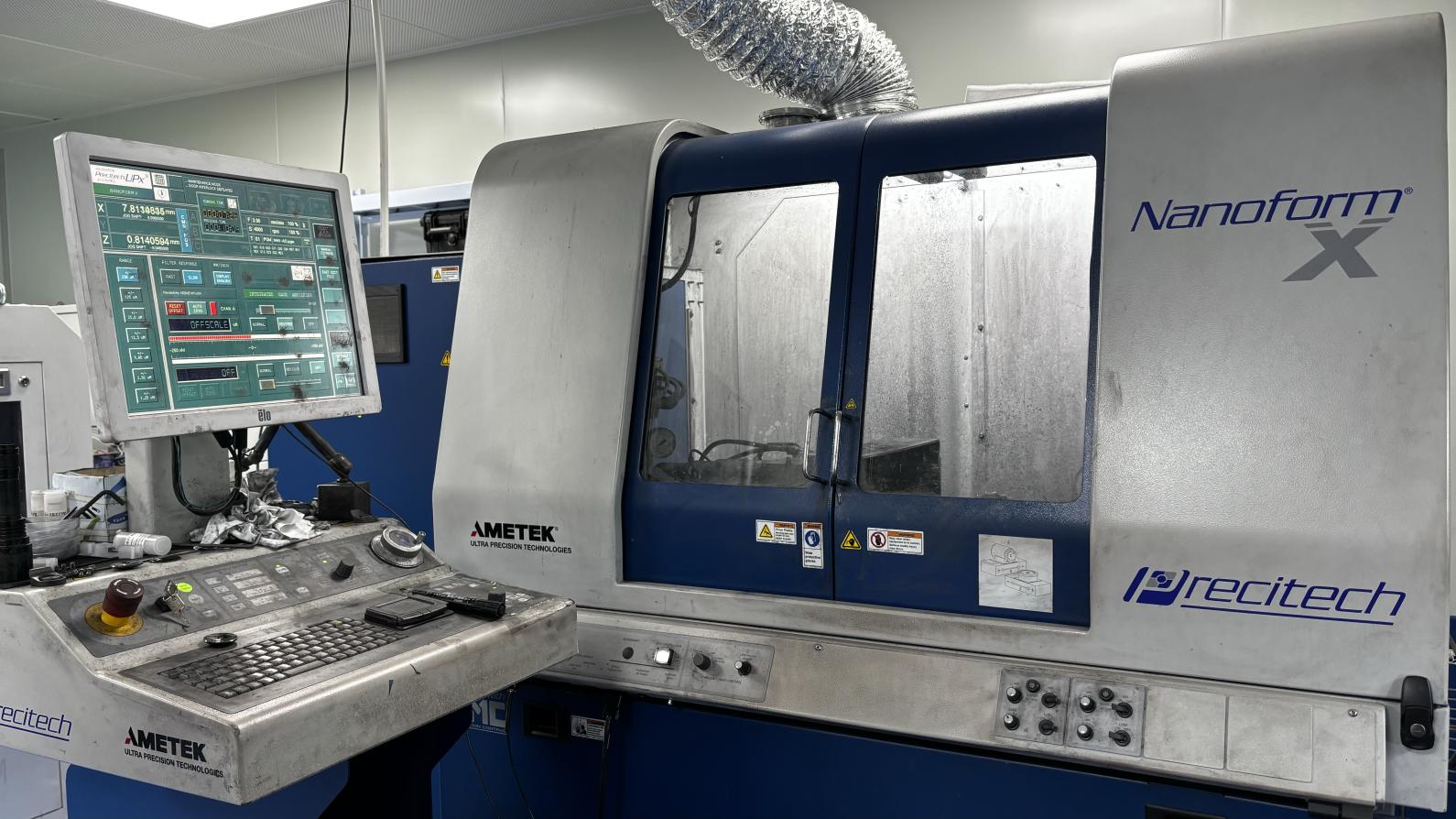
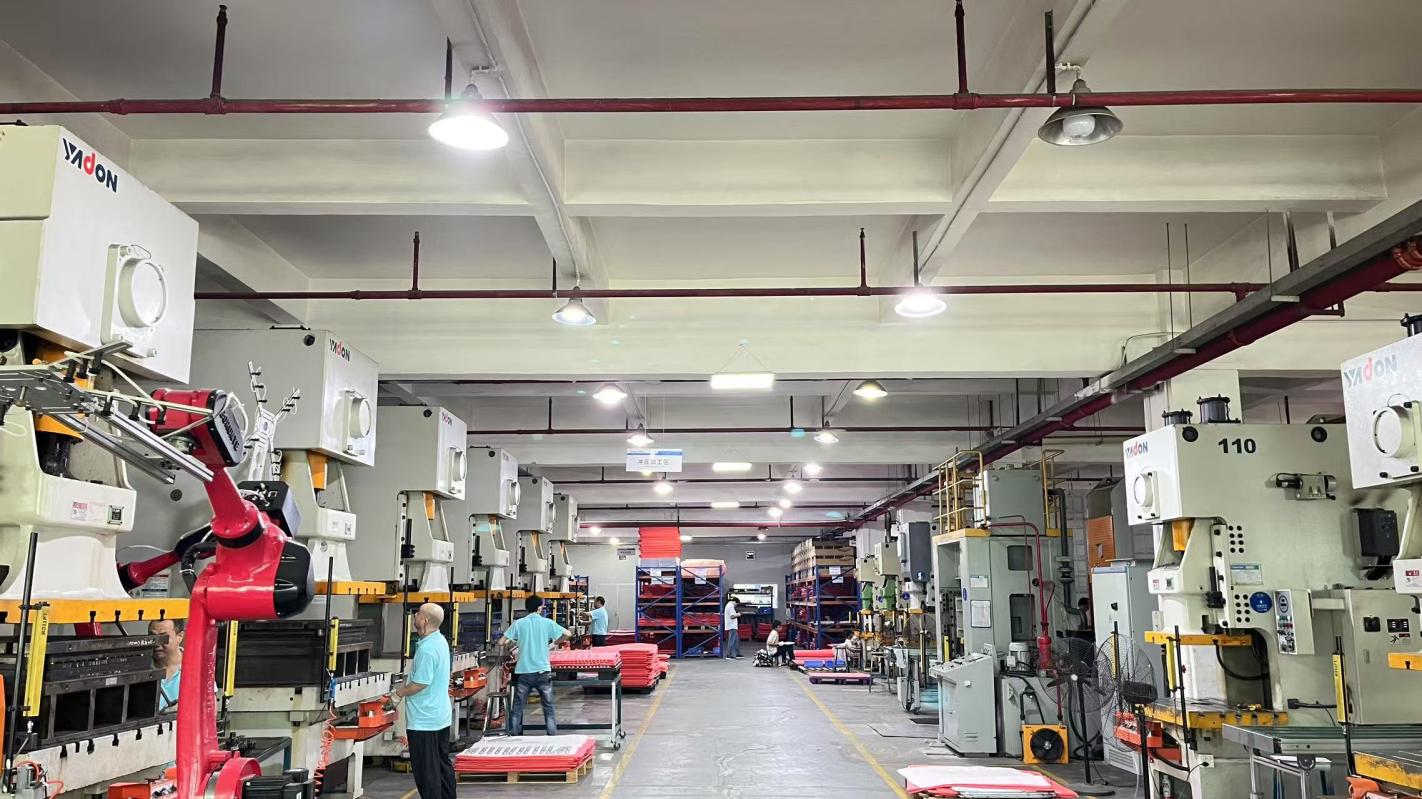
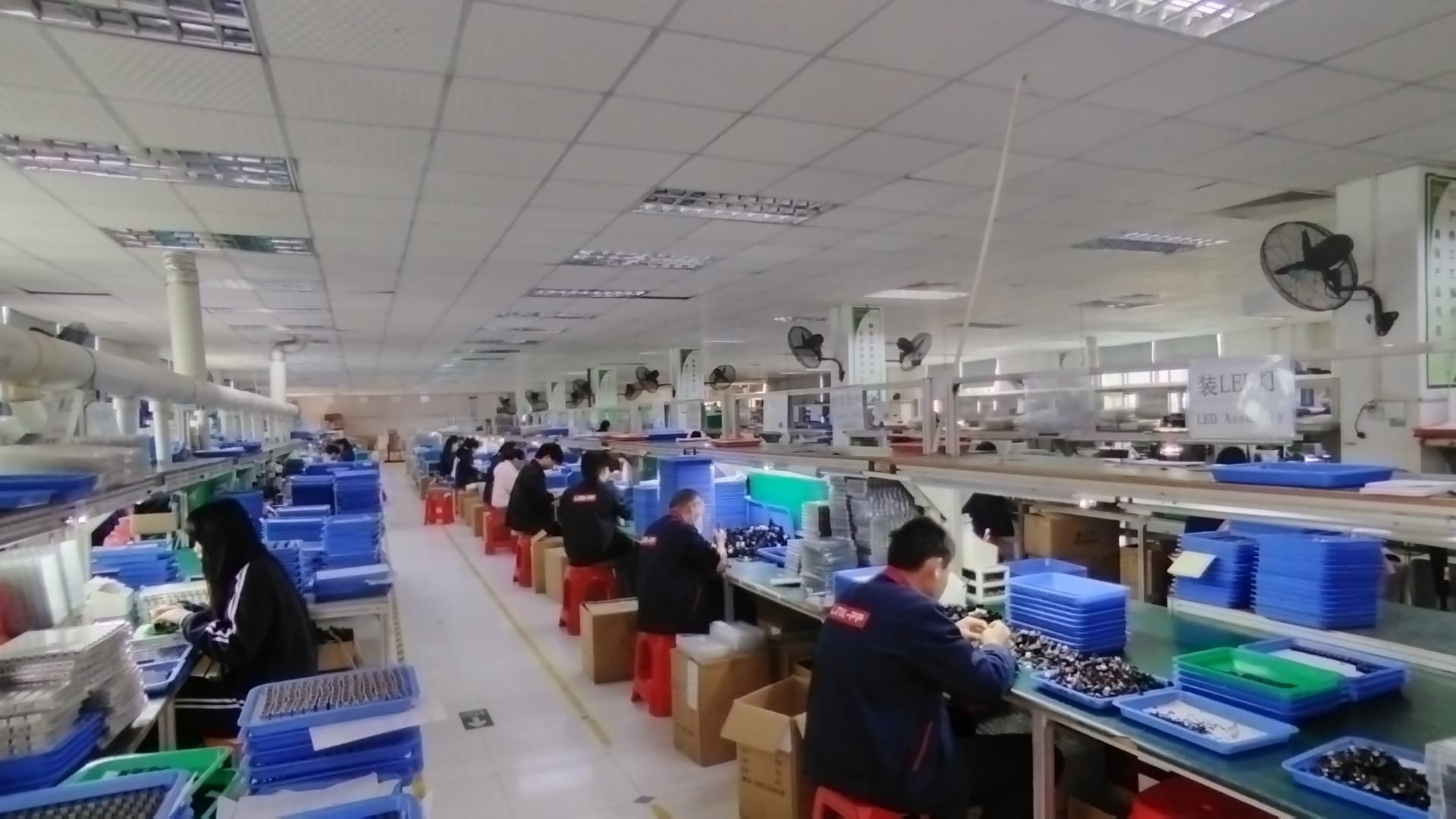
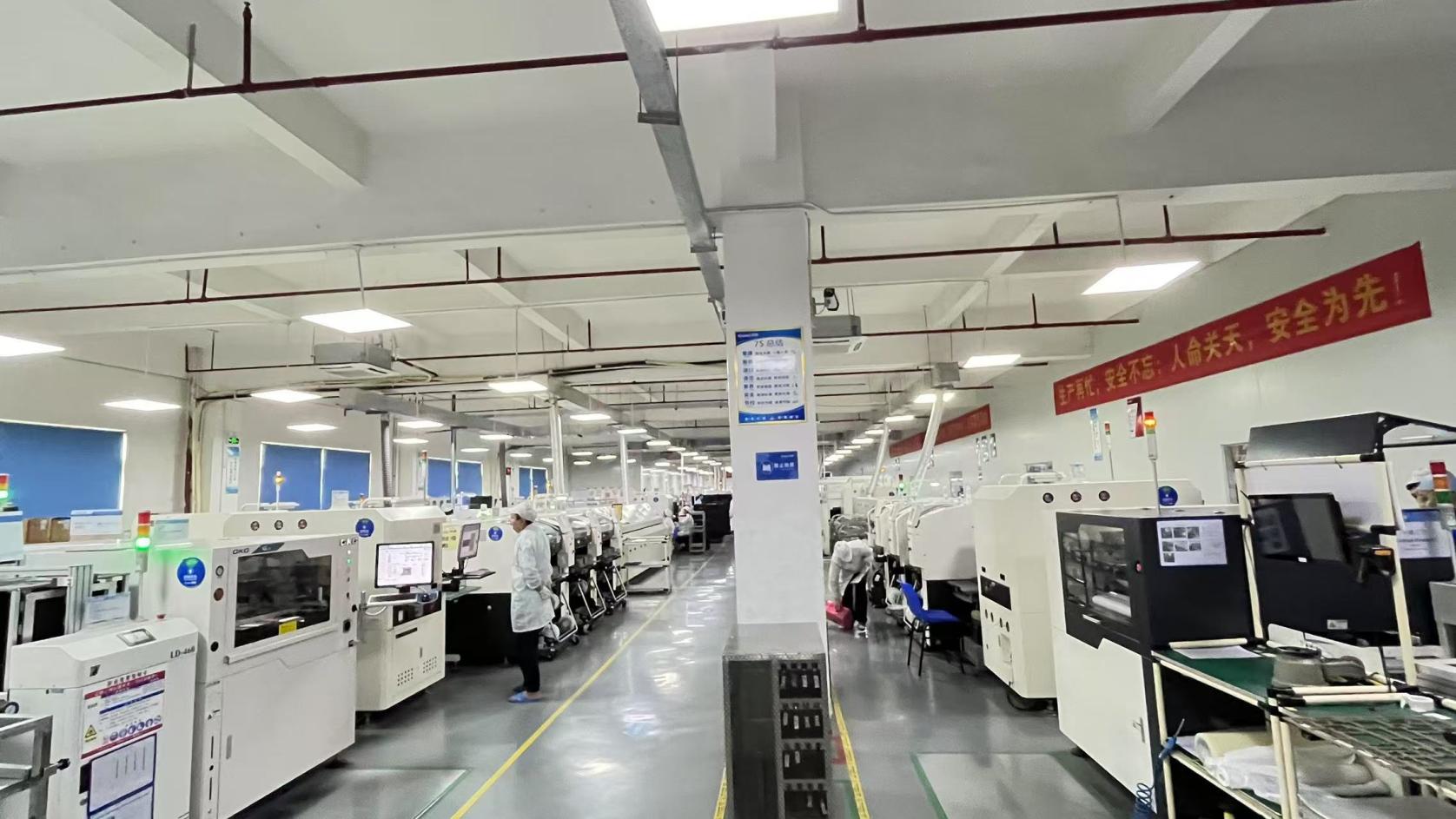
Borevo AI Infrastructure (China) Co., Ltd. is a specialized AI GPU manufacturer dedicated to delivering high-performance computing hardware and advanced AI infrastructure solutions for global markets. The company focuses on GPU design integration, AI acceleration systems, and customized computing solutions for data-intensive applications.
With 7 years of export history and 12 years of core industry experience, Borevo integrates GPU optimization, custom BIOS design, and deep BMC virtualization tools. Our relationships with over 850 strategic hardware partners enable us to secure premium components, ensuring structural reliability and rapid delivery timelines.
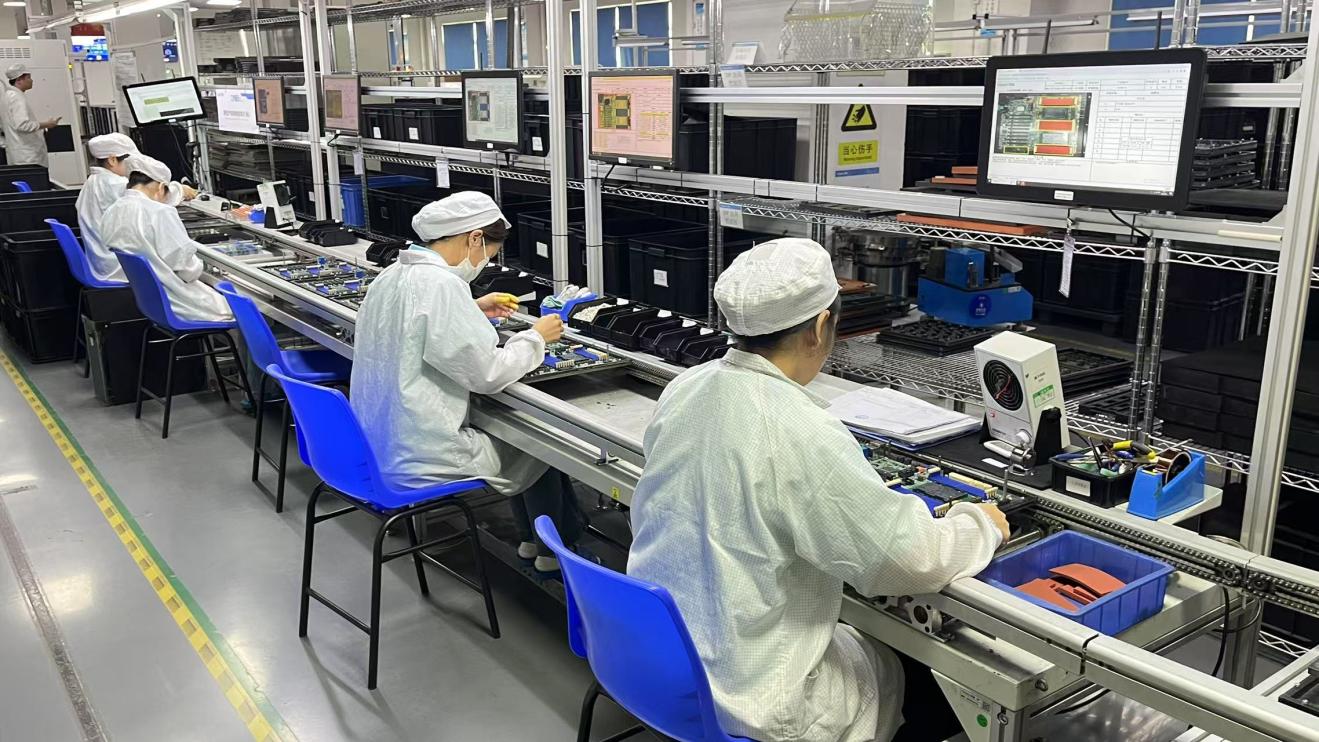
At Borevo, firmware reliability matches our strict physical QA processes. Our 45-person Quality Control team manages a comprehensive verification pipeline to check the integrity of every server node and compute chassis:
Recognizing that standard settings rarely suit every enterprise, Borevo offers extensive customization services:

In-depth responses to common firmware security, compatibility, and implementation questions.
We follow strict NIST SP 800-193 Platform Firmware Resiliency guidelines. Our custom builds use secure cryptographical signatures requiring RSA-4096 validation at boot. If signature mismatches are found, the hardware triggers a rollback loop to the last trusted backup image stored on an isolated physical EEPROM, protecting the system from boot-level attacks.
Yes. Heterogeneous environments often suffer from PCI-e signal loss and memory coordination delays. Our engineers adjust the PCIe Link Training settings in BIOS, updating register values for better signal margin over longer trace distances. This ensures stable data flow and prevents GPU dropouts during complex AI compute tasks.
Our platforms are fully Redfish API and IPMI 2.0 compliant. Operations teams can query, configure, and update BMC profiles remotely using RESTful scripts. We also support HTML5-based virtual media consoles, allowing clean firmware installations without needing on-site technicians.
During customization, we map thermal sensors on the motherboard and PCI-e slots. Our R&D team writes custom tables that balance airflow across server components. This reduces fan power usage by up to 15% while keeping core silicon within safe operating temperatures.
Every release must pass a comprehensive testing pipeline, including 72-hour burn-in runs under full CPU/GPU loads and dynamic thermal tests. This ensures our microcode modifications work reliably under heavy industrial and commercial workloads before shipping.
Explore our full line of network computing systems and GPU servers configured for rapid data center deployment.