Borevo
Borevo
Borevo
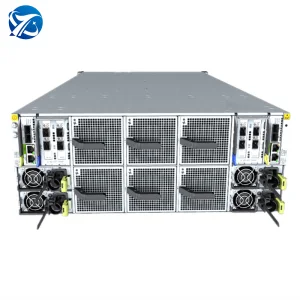
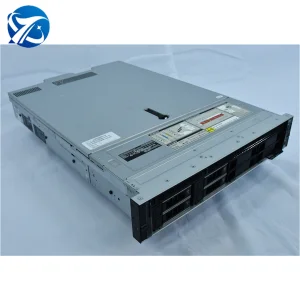
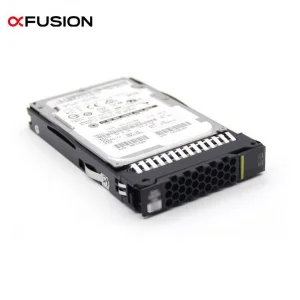
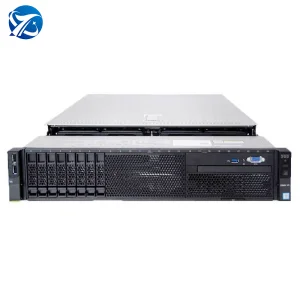
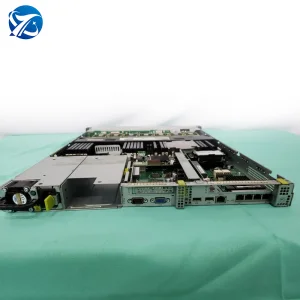
In the era of hyper-scale computing, distributed database management systems (DBMS) such as relational engines, NoSQL cluster topologies, and advanced vector databases (utilizing RAG configurations) demand optimized, high-throughput hardware architectures. Software-defined data centers require seamless synergy between the CPU cache hierarchy, high-density DRAM configurations, lightning-fast storage arrays, and network cards capable of remote direct memory access (RDMA).
As a premier Chinese manufacturer of high-performance computing hardware, Borevo AI Infrastructure Co., Ltd. bridge this computational divide. Our specialized server systems, memory expansions, and high-bandwidth components serve as the critical foundation for next-generation DBMS software. We supply cloud datacenters, system integrators, and industrial enterprises globally with the exact hardware profiles required to sustain millions of Queries Per Second (QPS) with sub-millisecond latency.
Optimized architectures for ACID-compliant databases. High-performance multi-socket systems ensure that online transaction processing (OLTP) engines run efficiently with minimal lock contention.
Unstructured data and LLM integration demand large-scale system memory and GPU accelerators to run vector search algorithms, deep learning indexes, and key-value datastores with ease.
HTAP workloads demand heterogeneous computing systems that simultaneously handle massive read pipelines alongside real-time write queues without performance degradation.
The rapid expansion of artificial intelligence, edge analytics, and real-time streaming has shifted DBMS requirements away from basic central storage structures to complex, distributed networks. Modern DBMS platforms rely heavily on hardware optimizations to prevent performance bottlenecks. Key architectural shifts include:
By bypassing traditional PCIe bus bottlenecks, CXL allows servers to access pooled dynamic memory, reducing latency for in-memory databases and increasing computational density.
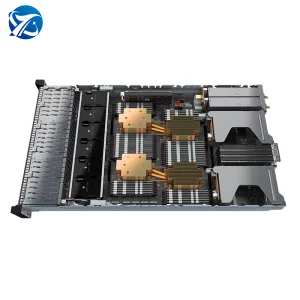
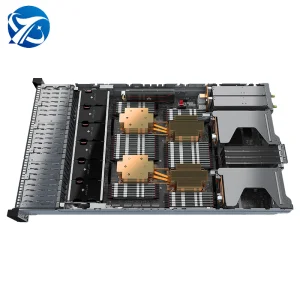
With CPU TDPs exceeding 350W and high-density GPU nodes producing massive thermal loads, advanced database nodes utilize specialized liquid cooling blocks to maintain optimal operating temperatures under continuous peak compute cycles.
By connecting solid-state storage across local and remote clusters via high-speed interfaces like Fibre Channel and RoCE (RDMA over Converged Ethernet), DBMS clusters achieve unprecedented performance speeds.
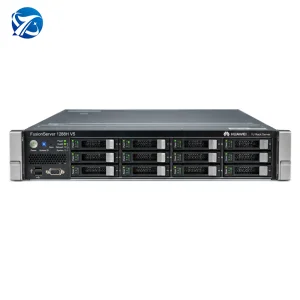
Traditional database systems rely purely on CPU execution paths. However, modern OLAP engines utilize GPU kernels to execute parallel table scans, joins, and aggregations. Highly parallel workloads run up to 100 times faster when executed on GPU-accelerated computing nodes like the G5200 V5 GPU Server or FusionServer 1288H V6 Dedicated Data Center GPU Rack Servers, making real-time multi-dimensional database analytics viable for hyperscalers.
Our hardware solutions are designed to fit seamlessly into diverse enterprise settings, offering rock-solid stability and massive processing pipelines.
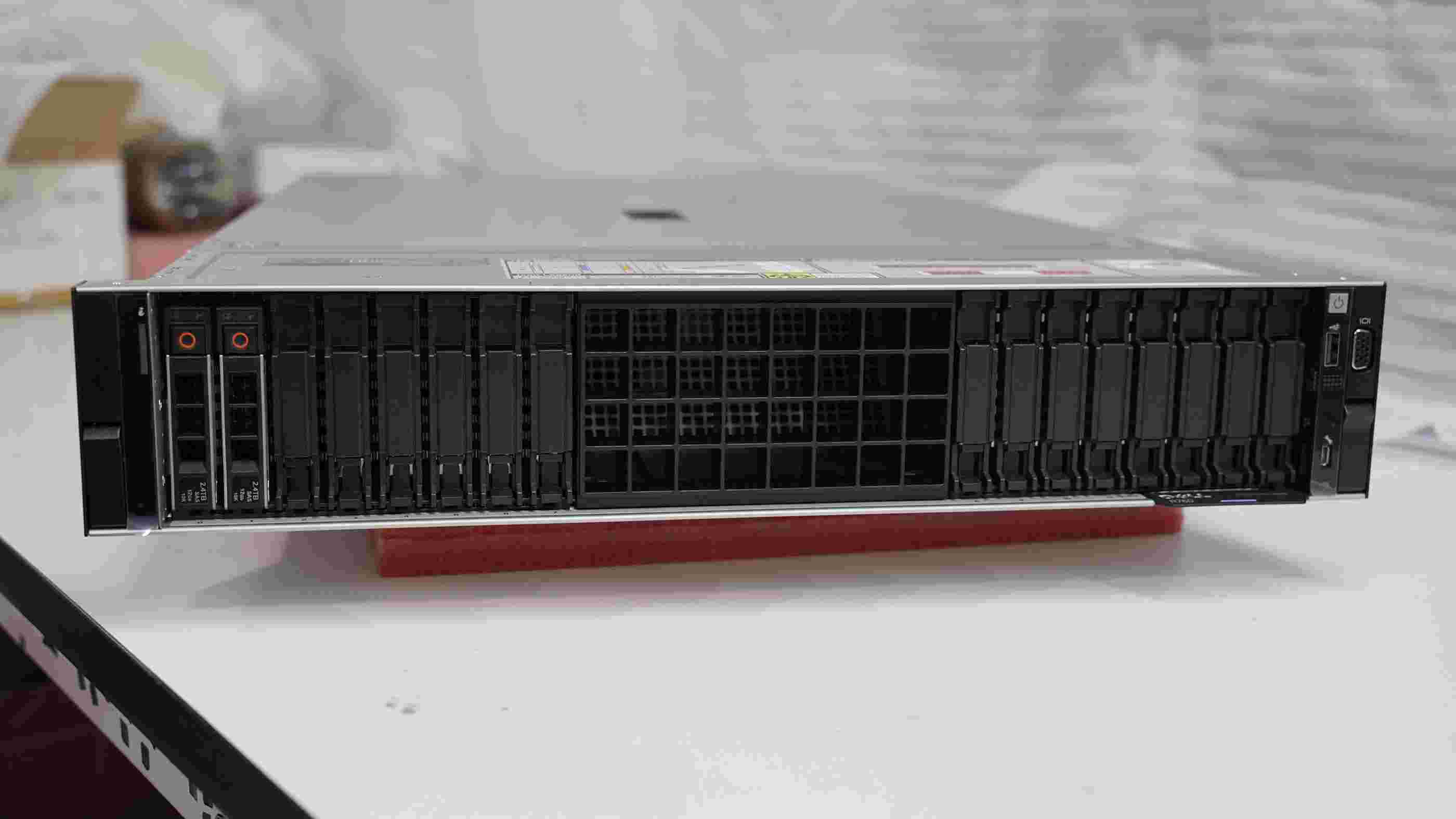
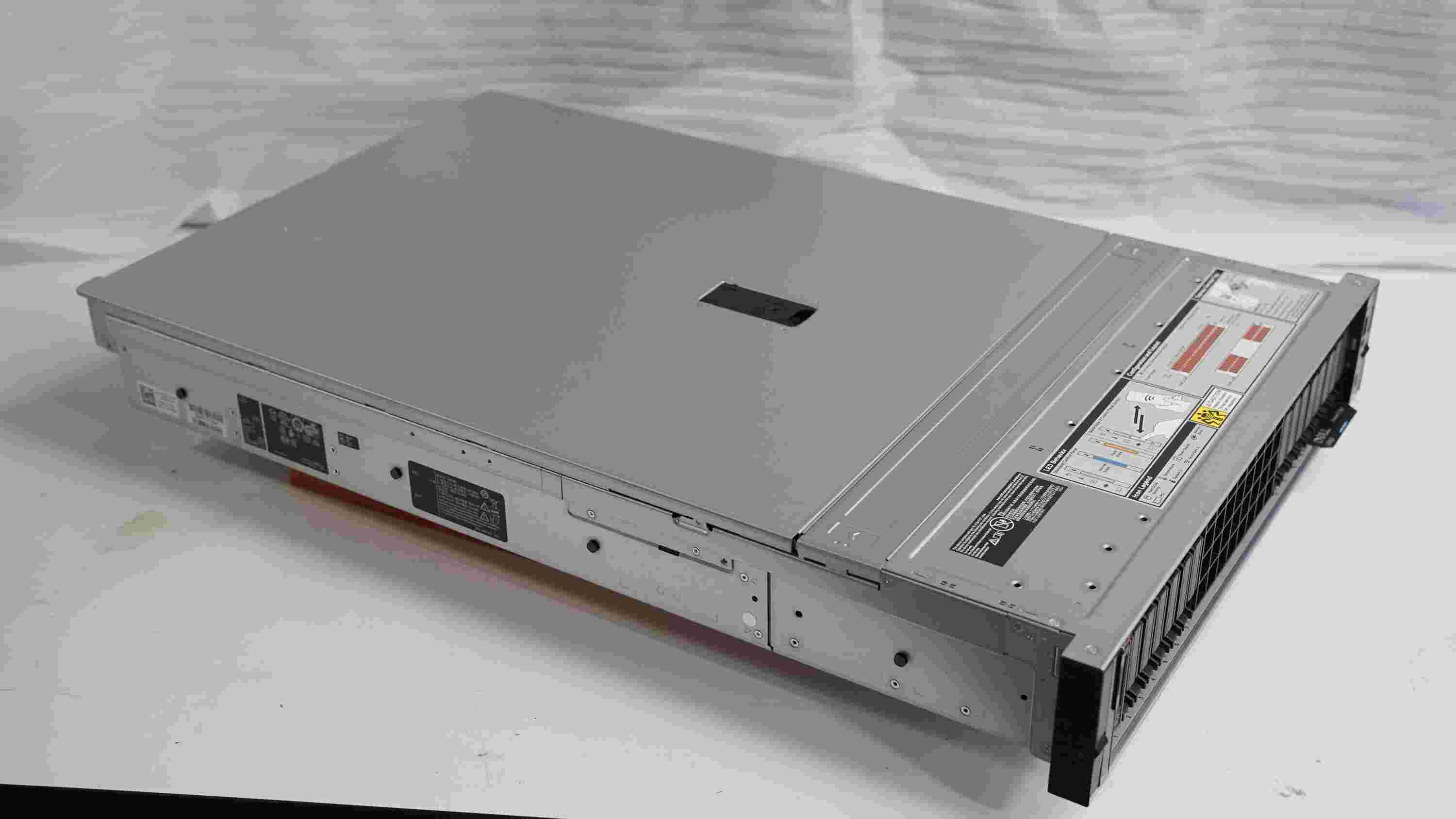
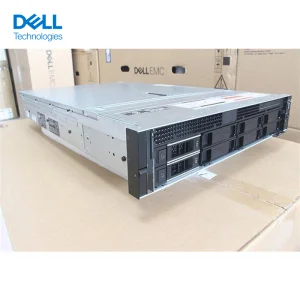
Online Transaction Processing (OLTP) in finance demands zero transactional data loss and microsecond latency. Using redundant multi-socket servers like the 2488H V6 4-Socket Server paired with high-performance ECC memory and enterprise-grade storage cards guarantees reliable database integrity.
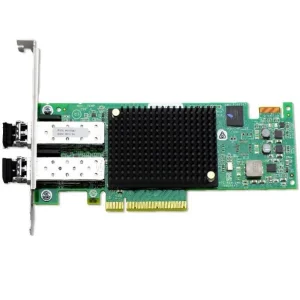
Heavy analytical queries (OLAP) processing petabytes of climate, genomic, or seismic data rely on fast storage media and large data channels. Our custom setups utilize Fibre Channel HBA cards, such as the Emulex LPe35002-M2 Dual Port 32GB FC32, ensuring lightning-fast storage networking.
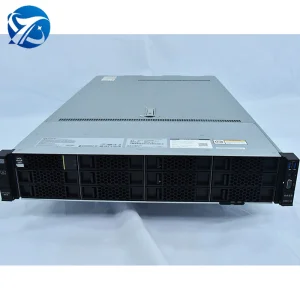
Building cloud systems to run advanced AI models like DeepSeek requires highly optimized data pipelines. Using specialized GPU setups, such as the xFusion 2U Rack Deepseek Cloud AI Server, database systems can query vector databases and process complex AI models in real time.
Borevo AI Infrastructure is an established, specialized AI GPU and server hardware manufacturer. We design, build, and integrate high-performance computing hardware and advanced AI infrastructure for global clients. With over 12 years of industry presence and 7 years of global export experience, we focus on delivering hardware solutions tailored to demanding, data-intensive workloads.
Our production engineering capabilities go beyond standard catalog assembly. We design, tune, and test system hardware to match unique enterprise database deployment needs:
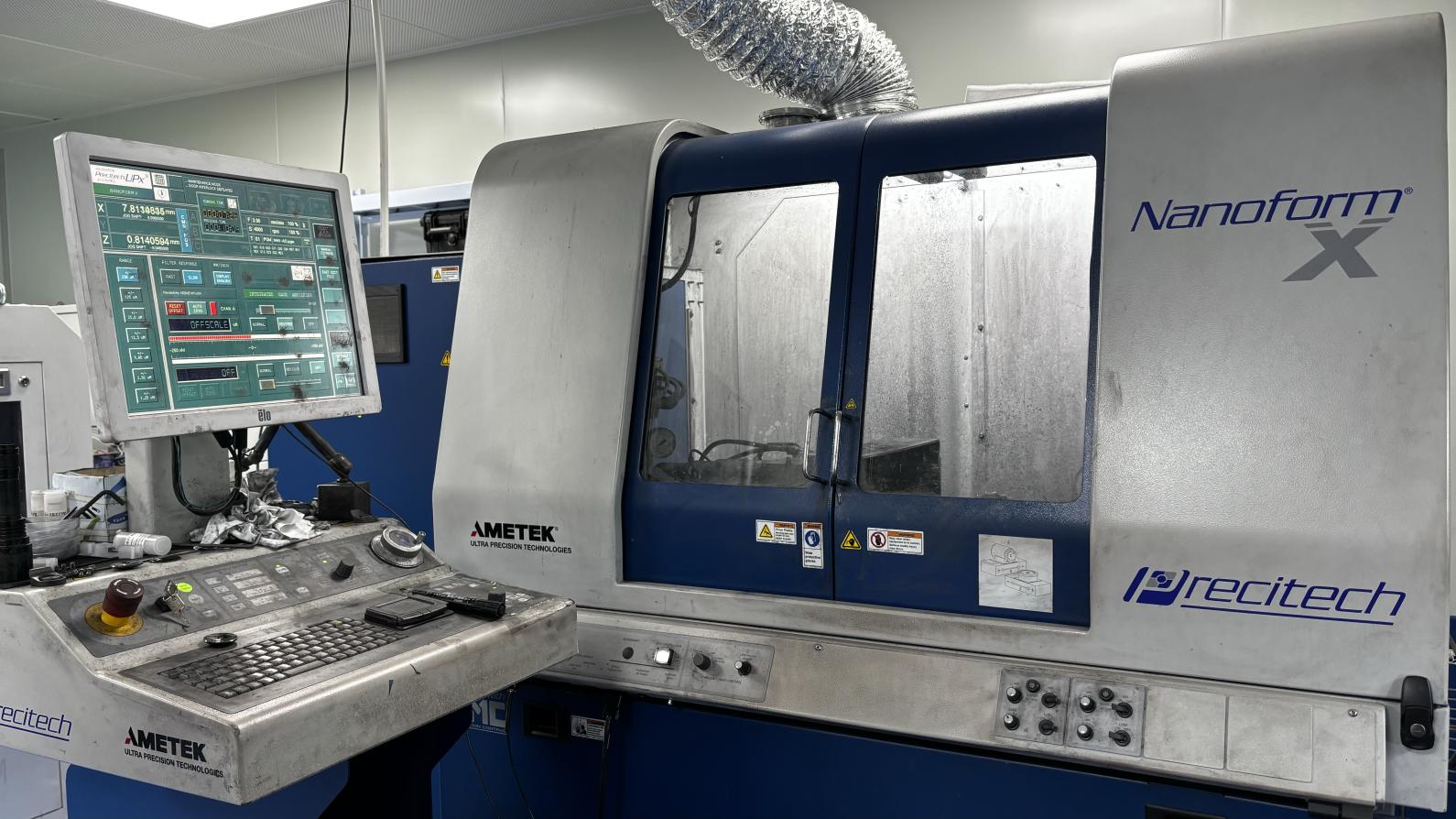
Verifying integrity of all incoming chips, capacitors, PCBs, and connectors prior to assembly.
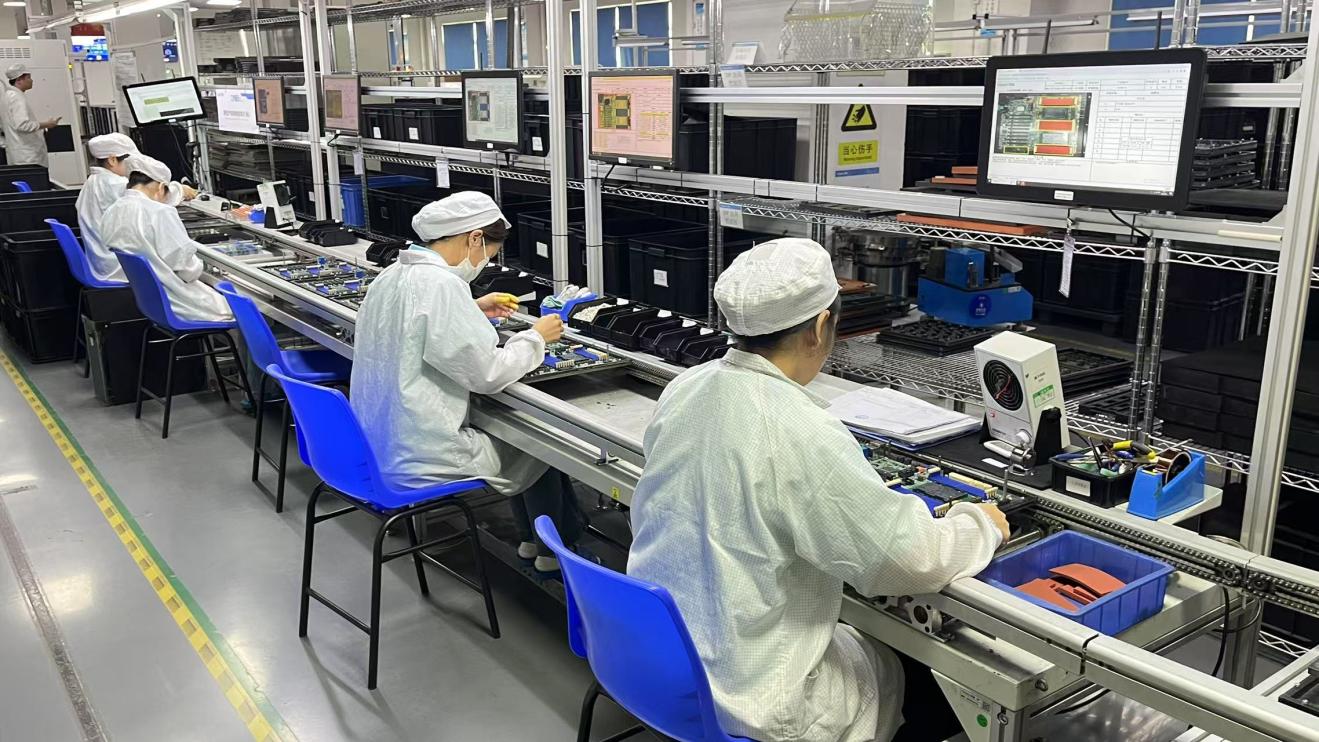
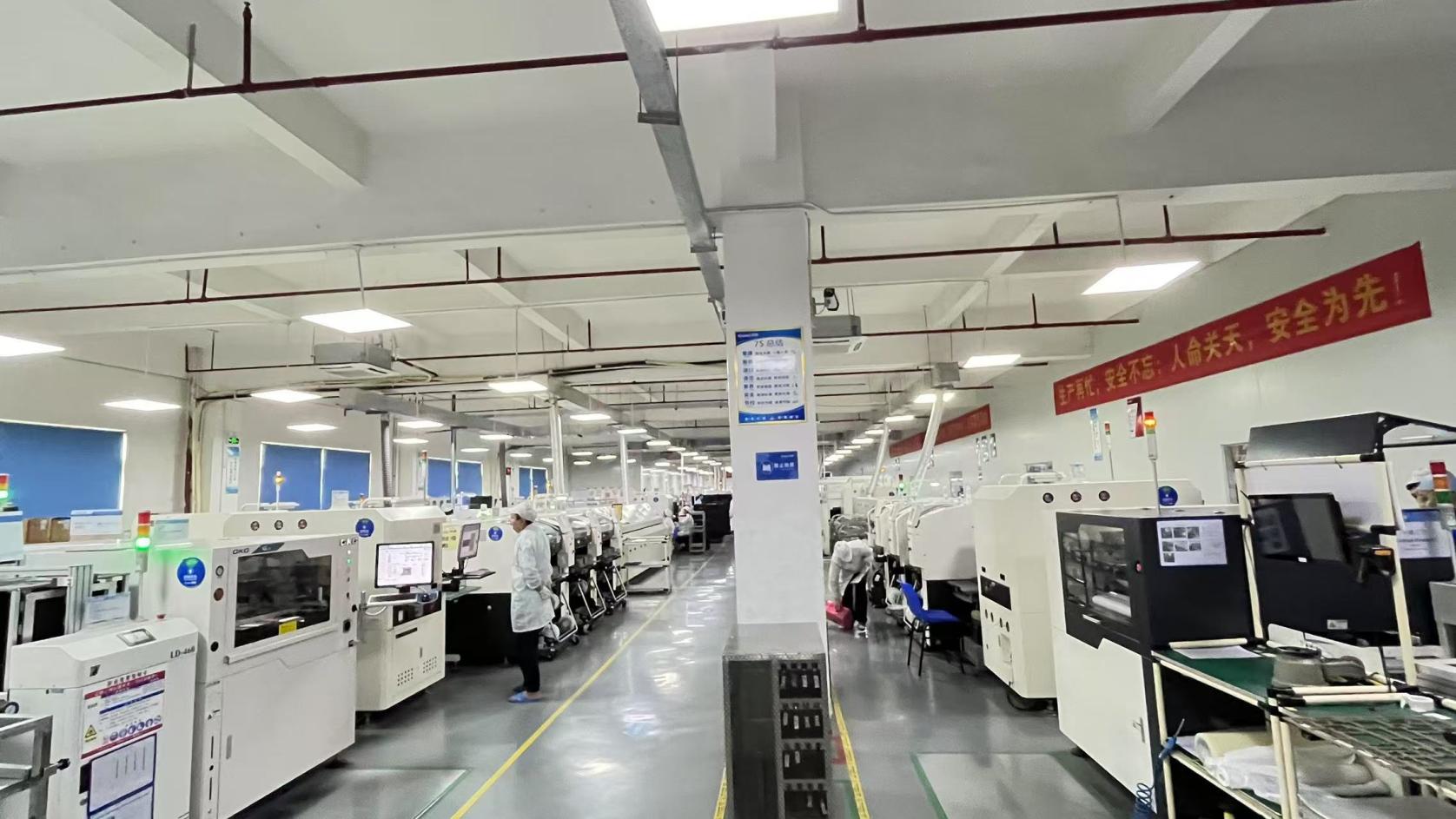
Inspecting high-density solder connections on advanced database and GPU motherboard designs.
Testing systems under full compute loads in high-temperature environments to ensure long-term stability.
We work with more than 850 strategic partners across the semiconductor, memory, and electronics industries to ensure consistent access to high-quality components.
By maintaining strong relationships with chipmakers, fabricators, and raw material providers, we help mitigate market fluctuations and deliver reliable manufacturing lead times for our global customer base.
As database software develops, hardware must adapt to keep pace. The integration of advanced artificial intelligence models with traditional enterprise databases has created new architectural demands.
Adding vector search engines to databases requires large amounts of system memory and high memory bandwidth to manage large-scale dataset vector embeddings.
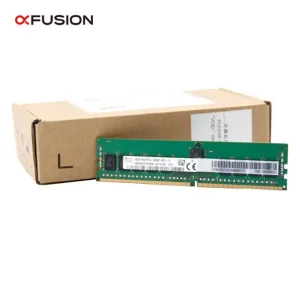
Modern systems utilize high-speed DDR5 memory with ECC support to deliver the speed and reliability needed to prevent database transaction errors.
Replacing SATA storage arrays with fast NVMe devices dramatically increases database throughput, allowing engines to run complex queries at speed.
Accelerating SQL query processing through GPU coprocessors offers massive speedups for analytic warehouses and real-time dashboard calculations.
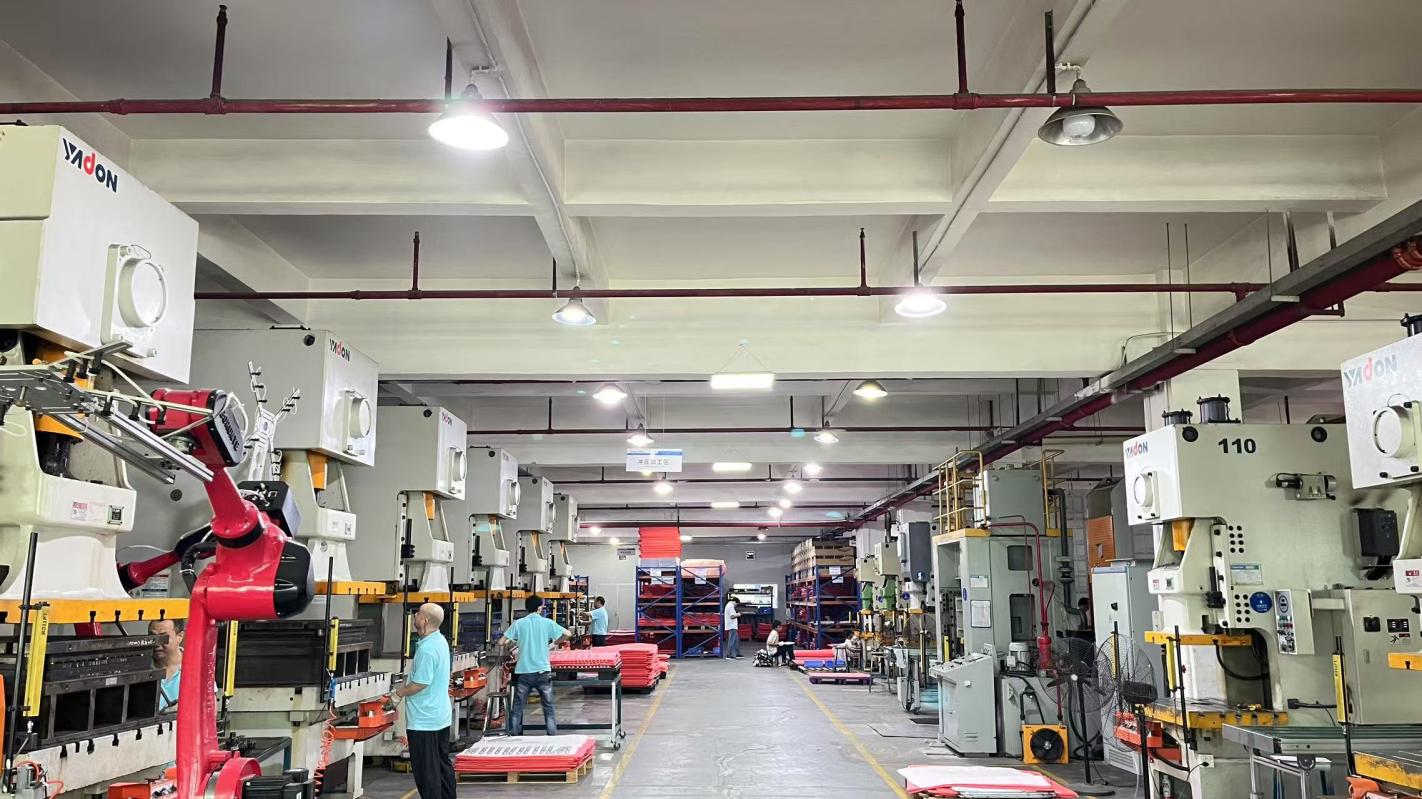
Inside Borevo's 18,600 square meter factory floor, our technicians utilize advanced production tooling, automated optical inspection, and strict QA protocols to assemble and configure every system.