Borevo
Borevo
Borevo
High-throughput GPU nodes, enterprise storage accelerators, and scalable rackmount units ready for global deployment.
The global surge in artificial intelligence adoption—driven by frontier Large Language Models (LLMs), Mixture-of-Experts (MoE) architectures like DeepSeek R1 (671B parameters), and real-time smart city computer vision—has fundamentally changed datacenter hardware requirements. Modern AI training systems are no longer generic off-the-shelf servers equipped with standard graphics cards. Today's AI infrastructure demands meticulously engineered high-density GPU clusters, dynamic thermal Management systems, custom PCIe Gen 5/6 top-of-rack interconnects, and non-blocking NVLink interconnect topology.
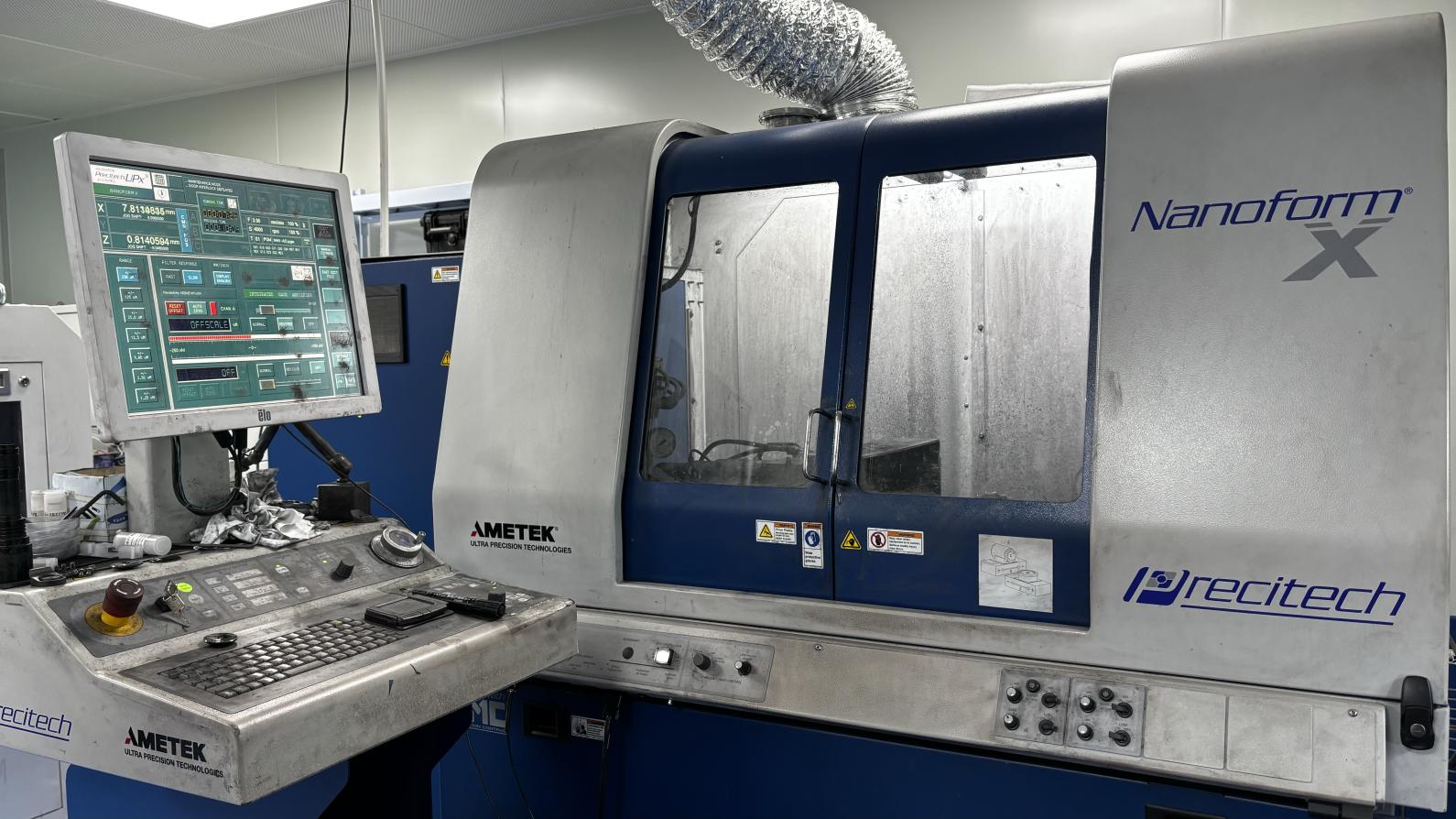
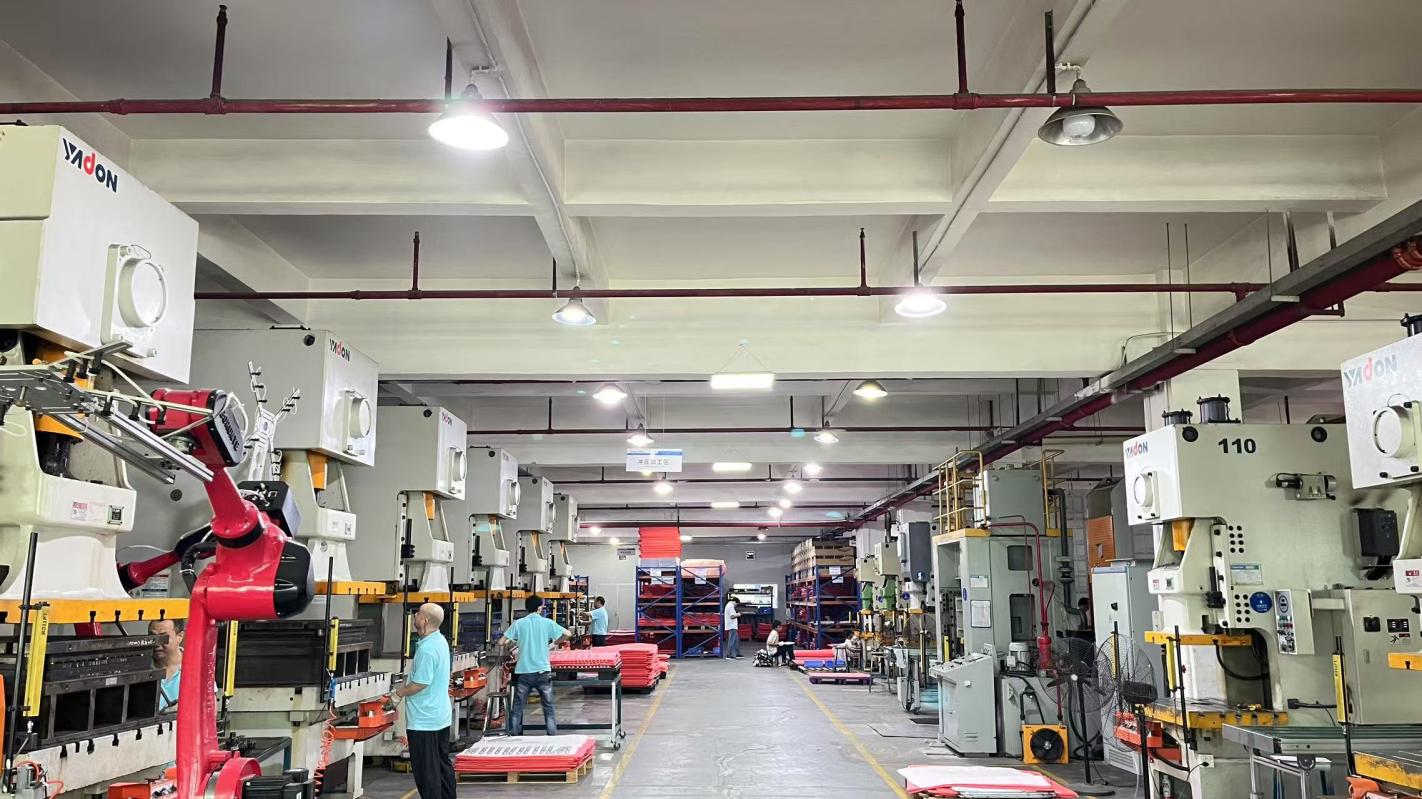
As tier-1 global cloud service providers, research institutions, and enterprise datacenters scale out their training infrastructure, procurement teams are actively looking to OEM/ODM partners in China's technology hubs, such as Shenzhen and Shanghai. China's manufacturing ecosystem provides an unmatched combination of semiconductor integration capacity, swift prototype cycles, customized thermal engineering, and cost-optimized supply chain logistics.
Key Industry Metric: The transition toward 671B+ parameter models requires network bandwidth throughput exceeding 800 Gbps per node and sub-millisecond inter-GPU latency. China's AI training system manufacturers provide fully validated bare-metal and container-ready nodes designed to drastically reduce training iterations and operational TCO.
Building high-performance AI training nodes requires resolving thermal, electrical, and data-throughput bottlenecks simultaneously. The integration of high-bandwidth memory (HBM3/HBM3e) with enterprise compute hosts must be paired with low-latency memory buses to avoid GPU starvation during gradient update steps.
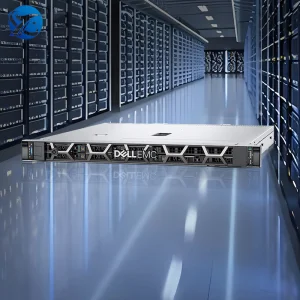
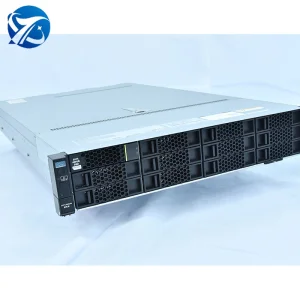
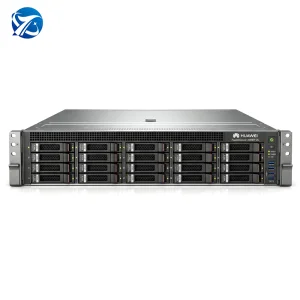
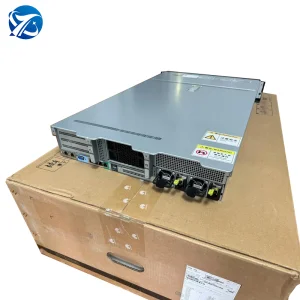
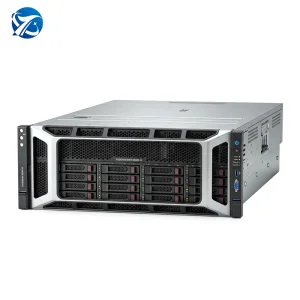
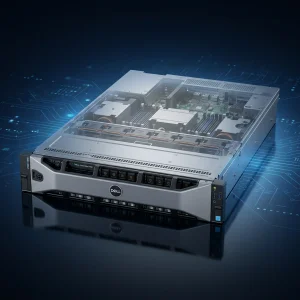
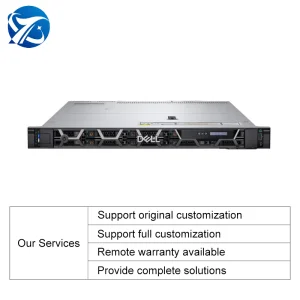
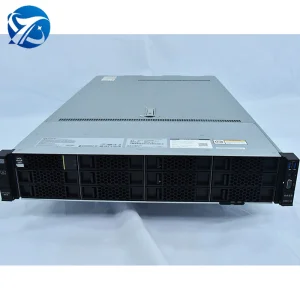
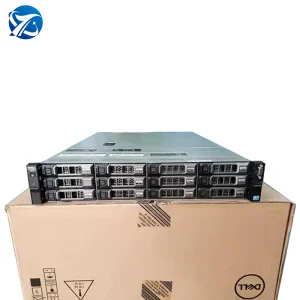
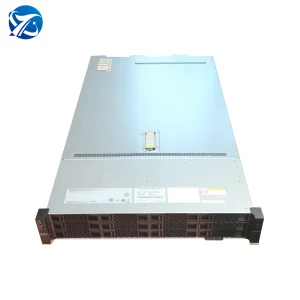
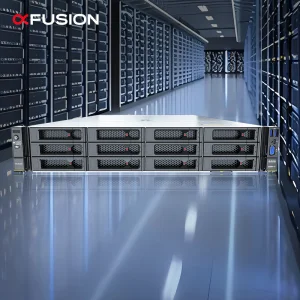
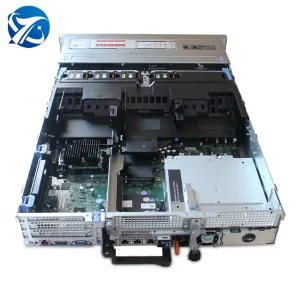
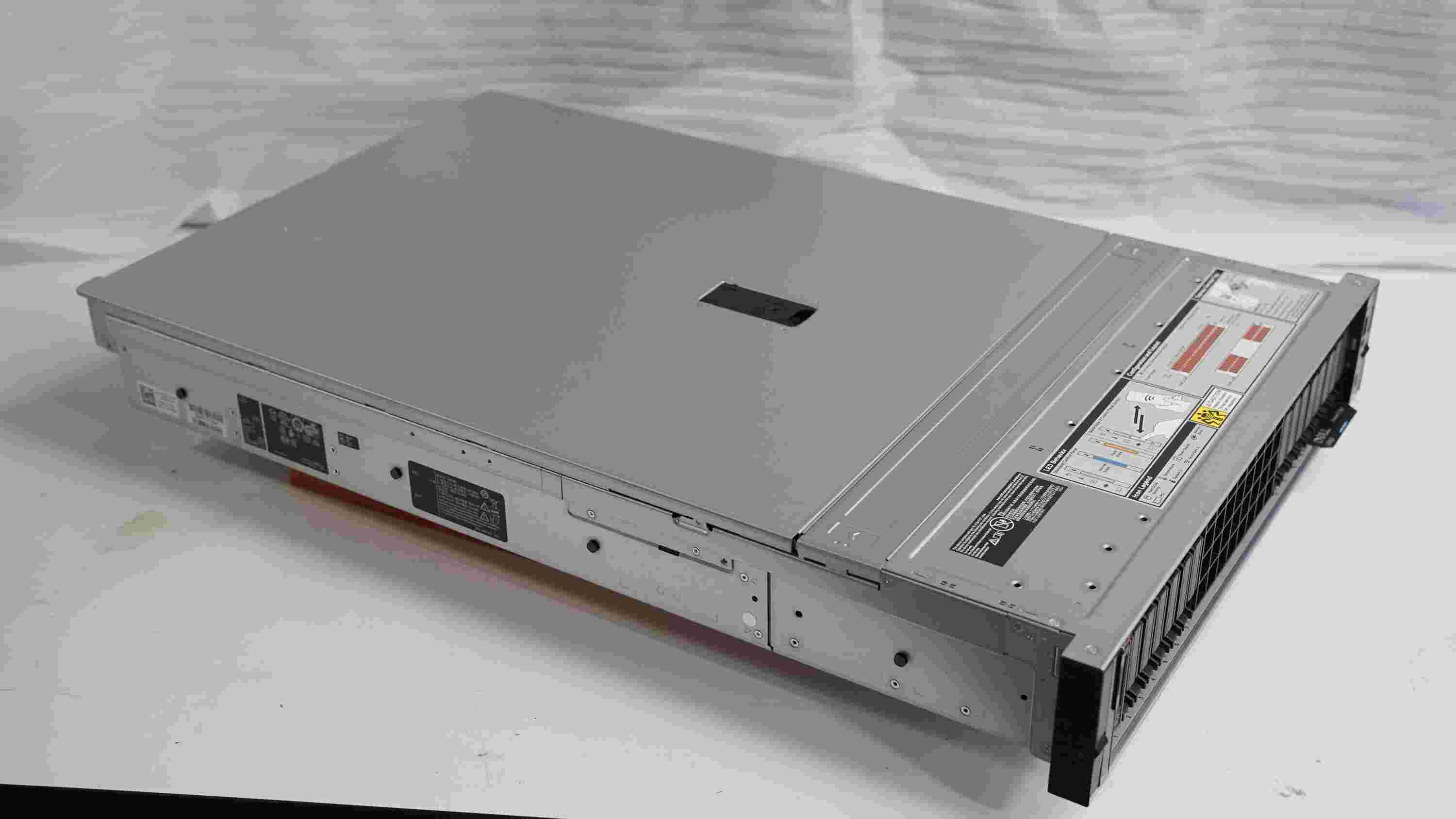
Modern enterprise servers such as the xFusion FusionServer 2288H V6 / V7 and Dell PowerEdge R760/R960 platforms utilize host processors (Intel Xeon Scalable 4th/5th Gen or AMD EPYC) to act as orchestrators while multi-GPU arrays handle tensor operations. By utilizing dedicated PCIe switch fabrics, these hardware designs allow Peer-to-Peer (P2P) Direct Memory Access (RDMA) across RoCE v2 (RDMA over Converged Ethernet) or InfiniBand fabrics. This ensures that back-propagation datasets pass directly between GPU memories without hitting system RAM bottlenecks.
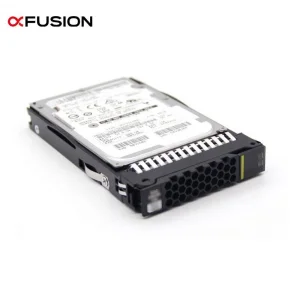
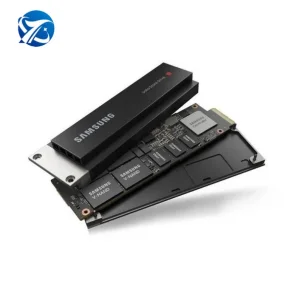
Training dataset IOPS is a critical bottleneck. Large-scale deep learning models consume multi-terabyte dataset batches every minute. Systems integrated with enterprise-grade storage—such as Samsung PM893 / PM9A3 / PM1643A / PM1653 U.2 and SATA drives—provide predictable sequential write speeds and sustained high read IOPS. This prevents dataset loading stalls during multi-epoch neural network training sessions.
| Architecture Element | Standard Data Center Server | High-Density AI Training System | Enterprise OEM/ODM Advantage |
|---|---|---|---|
| GPU Interconnect Bandwidth | PCIe Gen 4 (Up to 64 GB/s) | NVLink / NVSwitch (Up to 900 GB/s+) | Customized PCB traces for maximum signal integrity |
| Thermal Dissipation Design | Standard Air Cooling (Max 350W TDP) | Hybrid Air / Direct-to-Chip Liquid Cooling | Thermal stress tested up to 700W+ per GPU socket |
| Power Redundancy | Dual 800W - 1100W PSUs | Quad 2000W - 3300W Titanium PSUs (N+N) | Optimized load-balancing firmware customization |
| Model Support Optimization | General Web/ERP Hosting | LLM, MoE (DeepSeek 671B), Vision Transformers | Pre-validated containers (vLLM, PyTorch, DeepSpeed) |
Why leading global cloud operators and AI innovators turn to Chinese hardware manufacturers for rapid scalability and custom engineering.
China's Greater Bay Area houses over 850 strategic hardware partners, spanning multi-layer high-frequency PCB fabricators, high-spec copper vapor chamber cooler manufacturers, and industrial power supply developers. This proximity reduces time-to-market for complex multi-GPU servers from months to weeks.
Unlike rigid standard vendors, Chinese AI exporters provide deep customizations including customized BIOS/UEFI firmware, microcode tuning for specific AI frameworks, custom chassis length for short-depth data center racks, and localized thermal dynamics configurations.
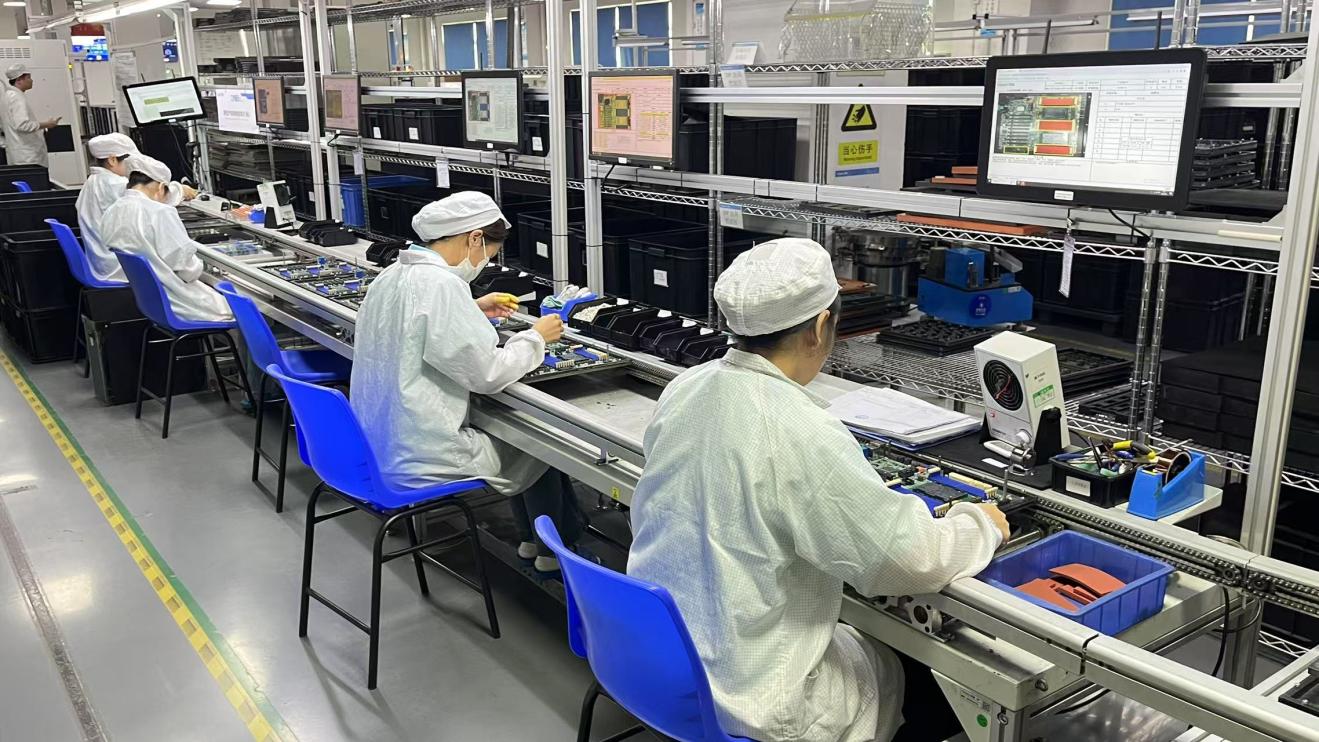
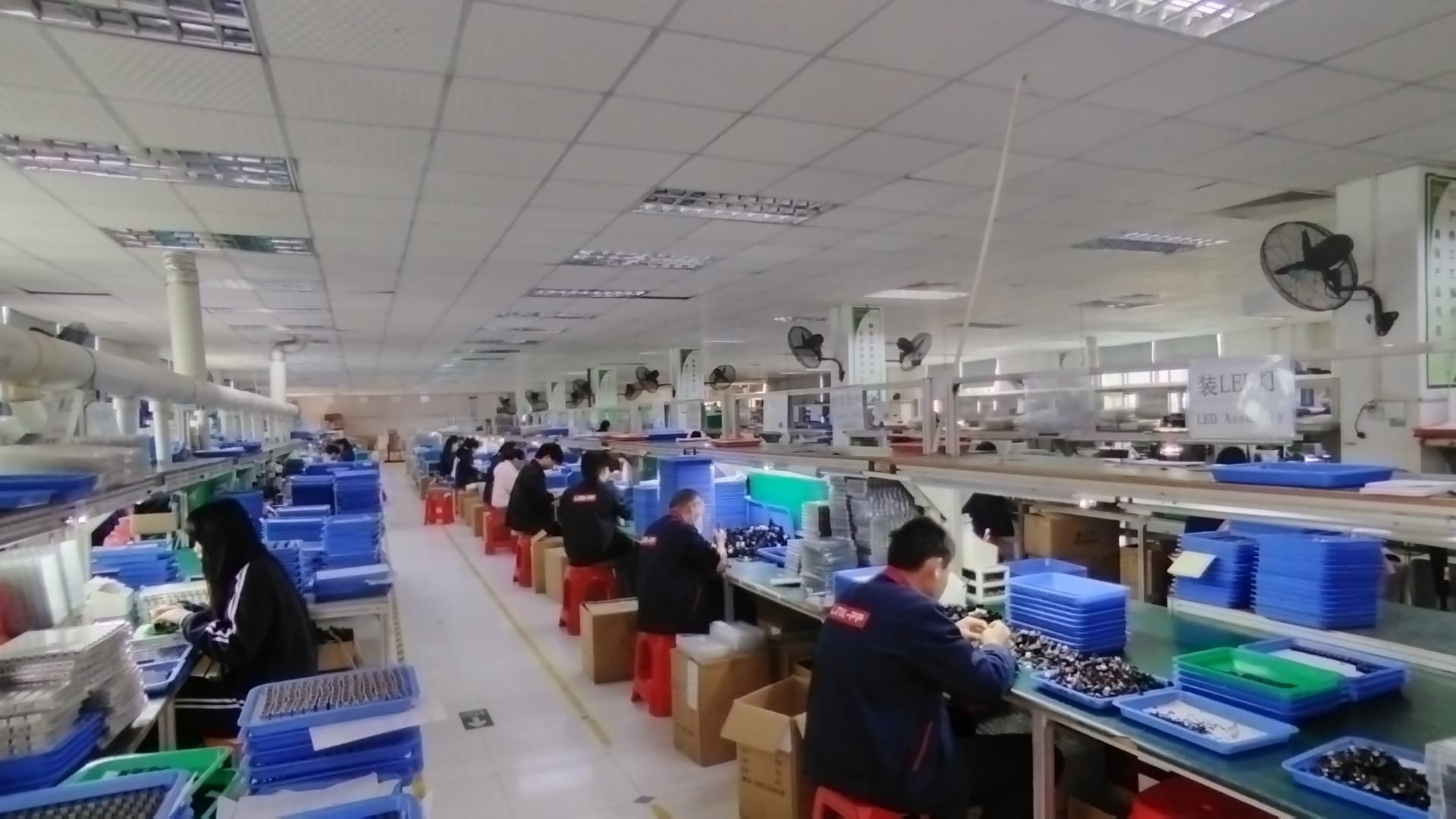
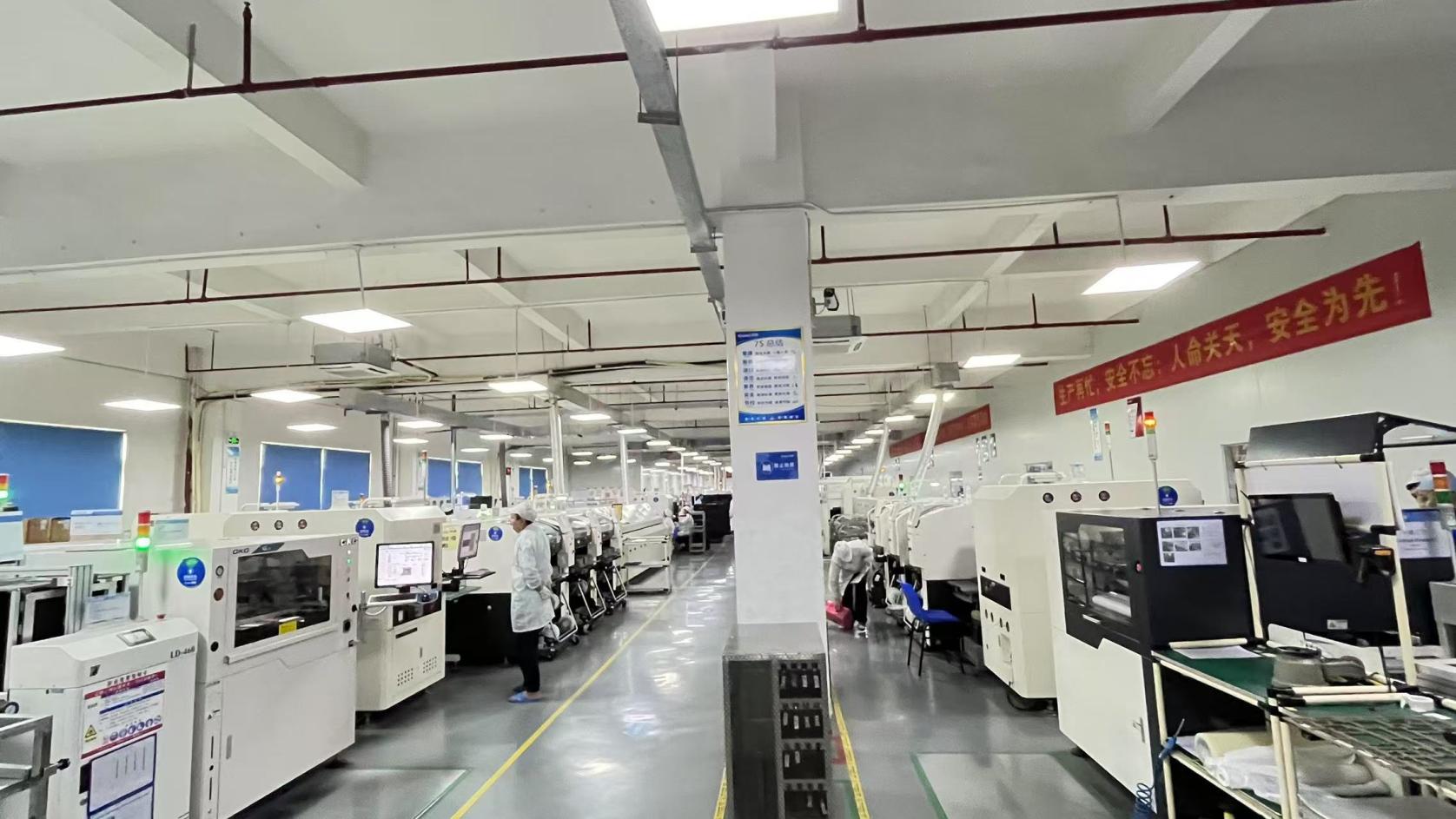
By leveraging streamlined assembly pipelines and automated testing suites, Chinese manufacturers provide global enterprises with up to 30-45% reduction in Capex compared to traditional Western distributors, without compromising on component reliability or QA validation.
Deploying AI training racks globally demands strict adherence to dynamic regulatory frameworks, localized hardware certifications, and stringent data security standards. International buyers must evaluate manufacturers across several operational pillars:
Enterprise AI servers exported from China must meet global standard safety and electromagnetic compliance standards. Qualified manufacturers provide full certification documentation including CE, FCC, RoHS, UL, and ISO9001. On the firmware side, security hardware integrated with Hardware Root of Trust (RoT) and Trusted Platform Modules (TPM 2.0) guarantees cryptographic protection against unauthorized bootkit execution and data tampering.
Global procurement directors require absolute transparency into sub-tier components. Leading Chinese exporters maintain full component lineage tracking—from raw PCB board layers to high-performance VRMs (Voltage Regulator Modules) and enterprise SSDs like Samsung PM893/PM9A3 series. Every batch undergoes Automated Optical Inspection (AOI), 72-hour full-load thermal stress burn-in testing, and high-frequency signal integrity validation prior to packing.
As model parameters scale from hundreds of billions to trillions, the hardware ecosystem is rapidly adapting. Purchasing teams must align their hardware procurement strategy with these incoming technology trends:
From edge inference deployments to massive hyperscale deep learning clusters.
Multi-node GPU server clusters optimized for open-weight foundation models, featuring container-ready environments with PyTorch, vLLM, and Megatron-LM pre-installed.
Dense GPU compute servers engineered for parallel real-time video stream ingestion, object detection, and urban spatial intelligence algorithms.
High-memory 4-Socket servers like the FusionServer 2488H V5 / Dell R960 dedicated to heavy enterprise resource planning, real-time query engines, and database processing.
Flexible rack systems built for hybrid data centers, offering hyperconverged compute and enterprise SSD storage pools for multi-tenant private clouds.
A specialized AI GPU manufacturer dedicated to delivering high-performance computing hardware and advanced AI infrastructure solutions for global markets.

Expert answers to key technical, logistical, and customization questions for wholesale buyers.
Explore our full line of rackmount servers, GPU accelerators, and data center hardware engineered for global exporters.