Borevo
Borevo
Borevo
Explore our elite-grade enterprise server inventory optimized for modern Type-1 hypervisors, container execution engines, and distributed software-defined storage architectures.
As cloud computing paradigms mature, virtualization software acts as the critical bridge transforming raw silicon into agile, elastic, and highly isolated compute platforms.
Modern data centers demand virtualization software that transcends simple hypervisor partitioning. High-performance enterprise environments now deploy software-defined infrastructure (SDI) layers that orchestrate compute, network fabric, and block-level storage dynamically. By implementing kernel-based virtual machines (KVM) optimized with lightweight container runtimes, top manufacturers in China deliver solutions targeted at reducing Total Cost of Ownership (TCO) while preventing vendor lock-in.
Consolidating compute, storage virtualization (SDS), and networking (SDN) into a single x86 or ARM rackmount node. Optimized for bare-metal performance and seamless scalability across public and private boundaries.
Advanced API-driven scheduling algorithms that manage multi-tenant environments with strict logical isolation, dynamic resource quotas, and zero-trust container security postures.
Hardware-assisted virtualization of GPU cores, enabling granular allocation of computational power for LLM model inference pipelines, machine learning training, and DeepSeek workloads.
Analyzing global demand, semiconductor integration vectors, and the market shift toward highly compatible open-architecture virtualization solutions.
The virtualization software market is undergoing a seismic transition. Traditional proprietary solutions face pricing pressures and strategic shifts, steering global CIOs toward open-source platforms based on KVM (Kernel-based Virtual Machine), OpenStack, and Kubernetes. Concurrently, China's manufacturers have expanded their global footprint by shipping robust physical compute servers pre-configured with secure, highly compatible hypervisors.
This industrial maturation is driven by deep system integration. Suppliers not only provide the software abstraction layer but also configure the bare-metal hardware—such as high-density Xeon nodes and multi-GPU arrays—ensuring perfect compatibility at the driver and kernel levels. The global supply chain relies on these integrated virtualization solutions to drive digital transformations in regions including North America, Europe, and Southeast Asia.
| Virtualization Feature | Proprietary Legacy Systems | Next-Gen Open Architectures | Performance Enhancement Vector |
|---|---|---|---|
| Hypervisor Overhead | Moderate (3% - 5%) | Ultra-Low (< 1.5%) | Direct physical pass-through capabilities (SR-IOV) |
| GPU Partitioning | Expensive Licensing Model | Dynamic vGPU Slicing (API-driven) | Native drivers optimized for high-performance AI inference |
| Storage Latency | Software-emulated storage pools | Distributed raw-disk maps (NVMe-oF) | Direct memory access avoiding system call bottlenecks |
| Vendor Independence | Locked ecosystems | Fully customized open APIs | Decoupled software and hardware lifecycle management |
Examining kernel architectures, vCPU scheduling, memory overcommitment, and hardware acceleration mappings.
To achieve bare-metal efficiency, modern virtualization software bypasses traditional OS bottlenecks. The architecture employs a Type-1 Microkernel Hypervisor that interfaces directly with Intel VT-x and AMD-V instruction sets. This eliminates middle layers of CPU instruction translation, allowing virtual guest machines to execute commands at near-native speeds.
For workloads bound by memory limits, advanced algorithms handle memory ballooning, page sharing, and Transparent Huge Pages (THP). This enables higher consolidation ratios, allowing system administrators to assign more virtual memory (vRAM) than physically exists on the motherboard without causing memory leaks or kernel panics. Additionally, Non-Uniform Memory Access (NUMA) pinning ensures that virtual CPUs run on the same physical processor socket hosting the allocated RAM, reducing cross-socket bus delays.
Navigating global data safety compliance frameworks, including GDPR, HIPAA, and regional cybersecurity mandates.
Deploying virtualization platforms worldwide requires strict adherence to localized compliance structures. Enterprise-level hypervisors built by leading suppliers include comprehensive security controls designed to meet rigorous standards:
Exploring real-world implementations, from smart city infrastructure networks to DeepSeek-optimized neural training centers.
Virtualization technology is highly context-dependent. Below are the primary deployment profiles where integrated hardware-software nodes maximize compute efficiency:
Deploying dense 1U nodes inside localized processing centers. By virtualizing the incoming streams and passing direct control to vGPUs, processing latency is cut by 40%, enabling real-time traffic and flow analyses.
Utilizing low-latency hypervisors combined with 10Gb/s and 25Gb/s storage pipes. Transactions are processed inside secure enclaves, guaranteeing high availability even under localized power grid disruptions.
Leveraging highly customized server builds to scale LLM workloads. Hardware virtual machine (HVM) layers allow multiple deep-learning instances to access segmented GPU nodes, reducing idle system cycles.
Where is virtualization heading? Exploring AI-Native hypervisors, serverless virtualization layers, and quantum compute orchestration.
The boundary between the physical processor and virtual machine is narrowing. Future roadmaps focus on Hardware-Software Co-Design, where microcode optimizations on CPUs run virtualization control tasks. This change frees up valuable host CPU cores for actual production containers.
Moreover, AI models are increasingly integrated into management software. Virtualization orchestrators now analyze CPU temperature patterns, memory usage spikes, and network throughput in real-time. They can automatically migrate virtual instances to cool, under-utilized physical servers before hardware failure occurs, yielding self-healing data centers.
A specialized AI GPU manufacturer dedicated to delivering high-performance computing hardware and advanced AI infrastructure solutions for global markets.
Borevo AI Infrastructure specializes in GPU design integration, AI acceleration systems, and customized computing solutions for data-intensive applications. With over 12 years of industry experience and a dedicated QC team of 45 personnel, the company ensures top-tier performance validation using AOI inspection, burn-in testing, thermal stress testing, and electrical performance benchmarking.
Our robust supply chain consists of approximately 850 strategic partners across semiconductor, PCB, cooling systems, and memory components. This enables us to customize firmware, PCB configurations, and thermal solutions to fit specific virtualization platforms seamlessly.
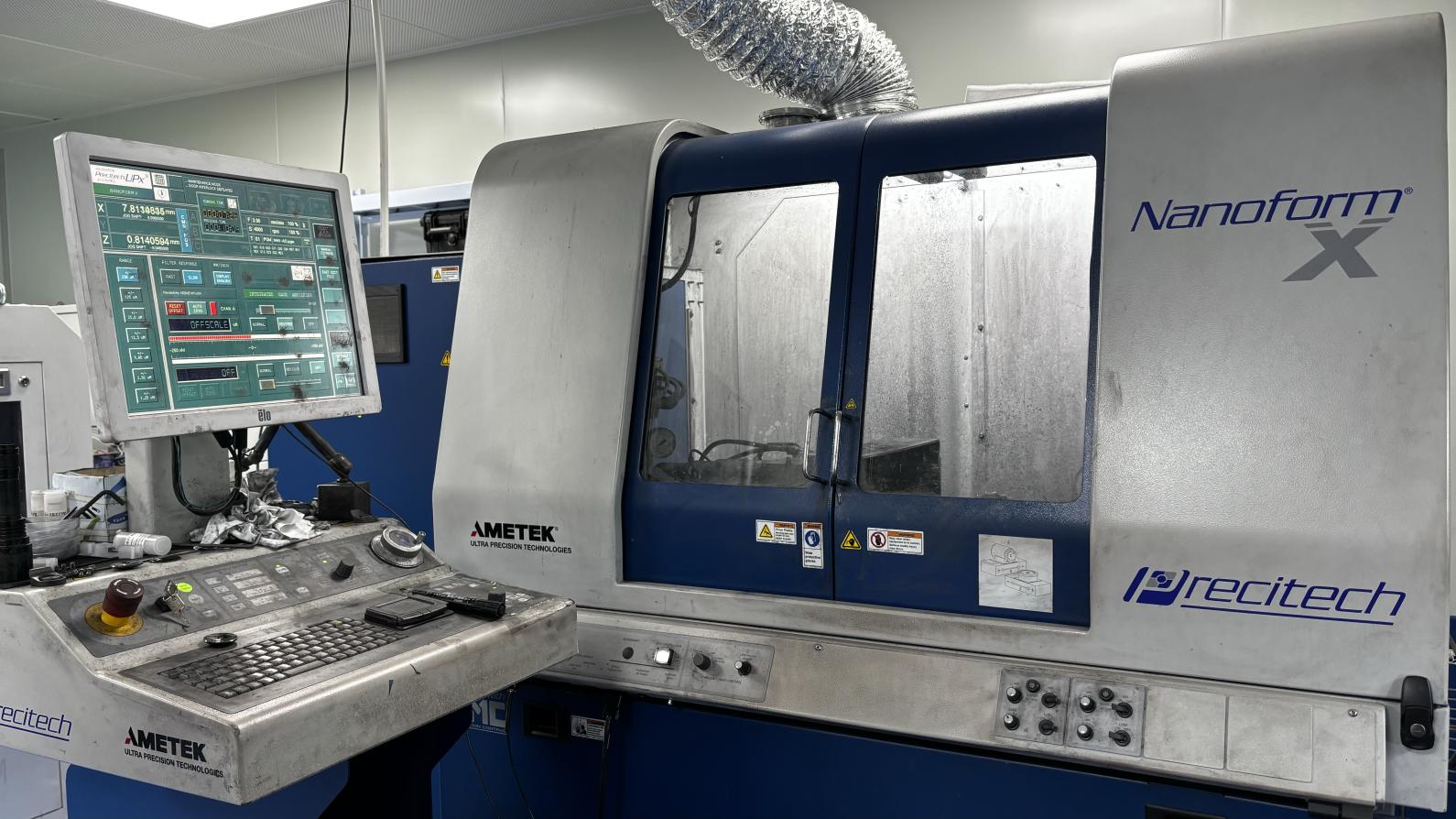
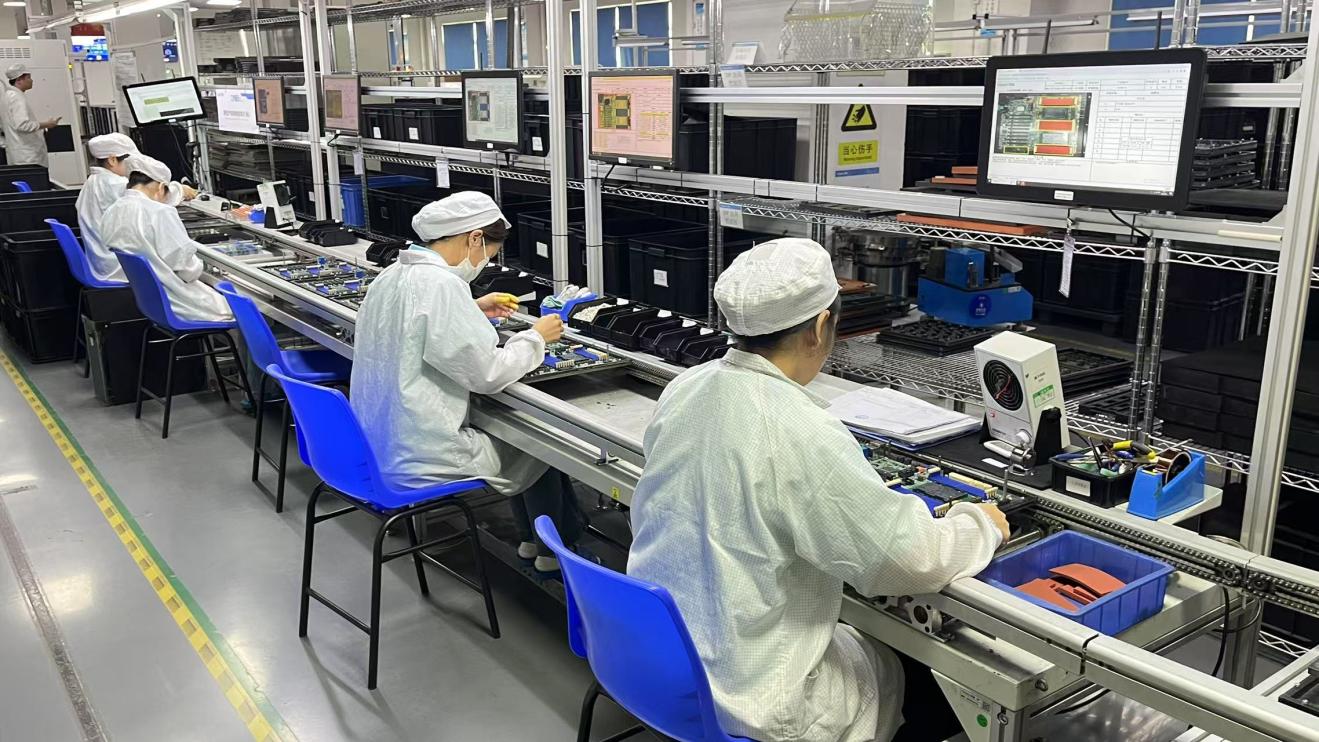
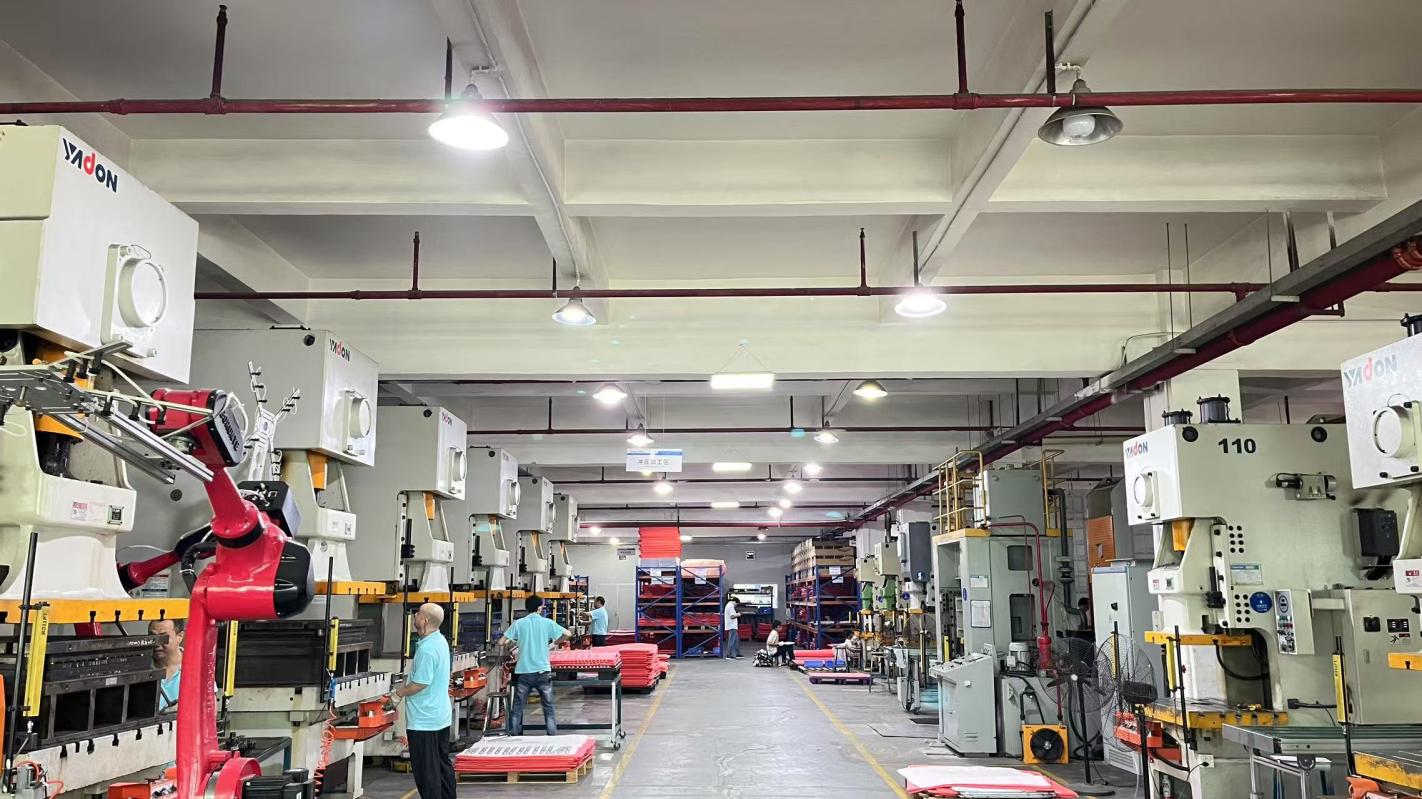
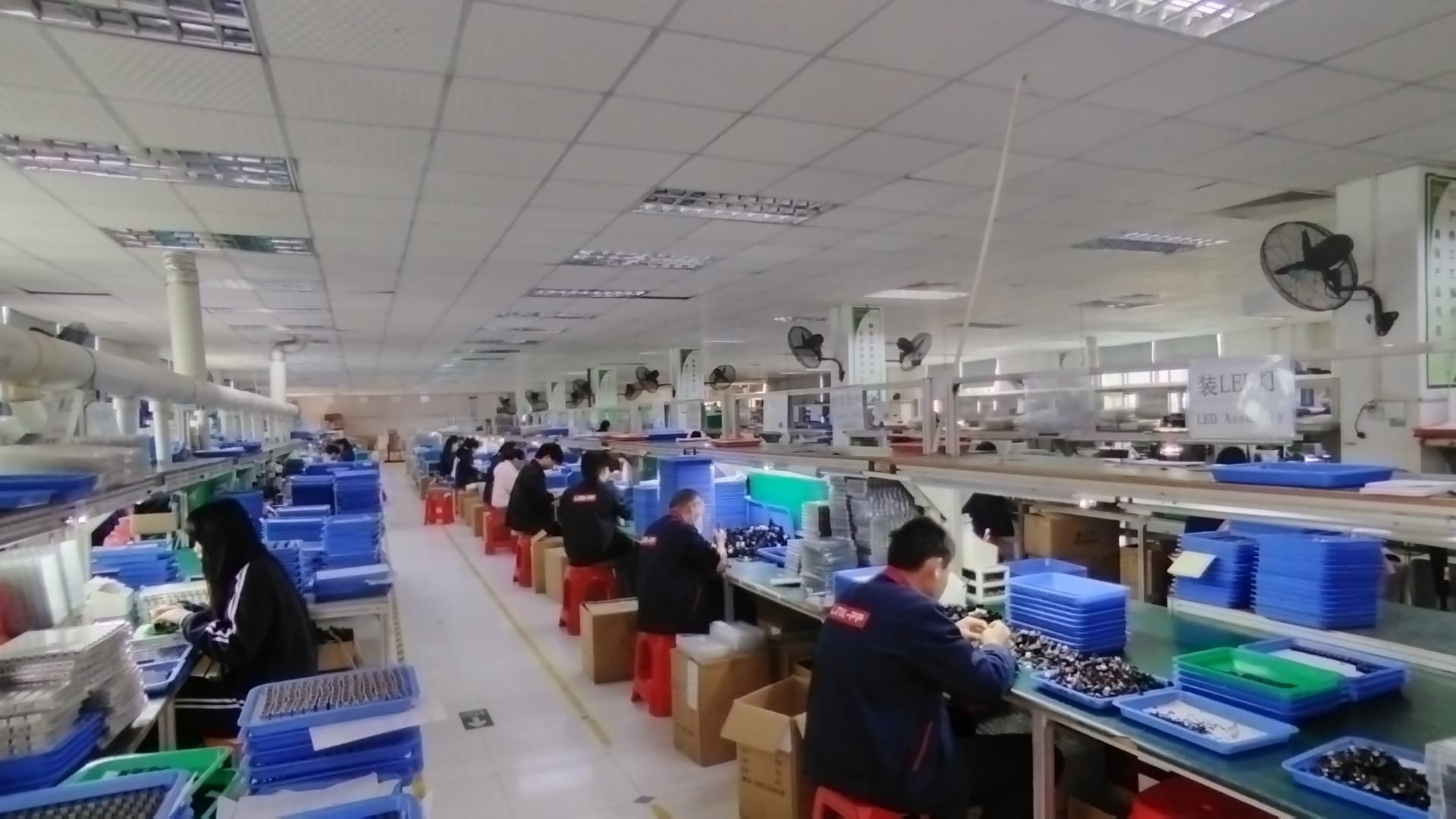
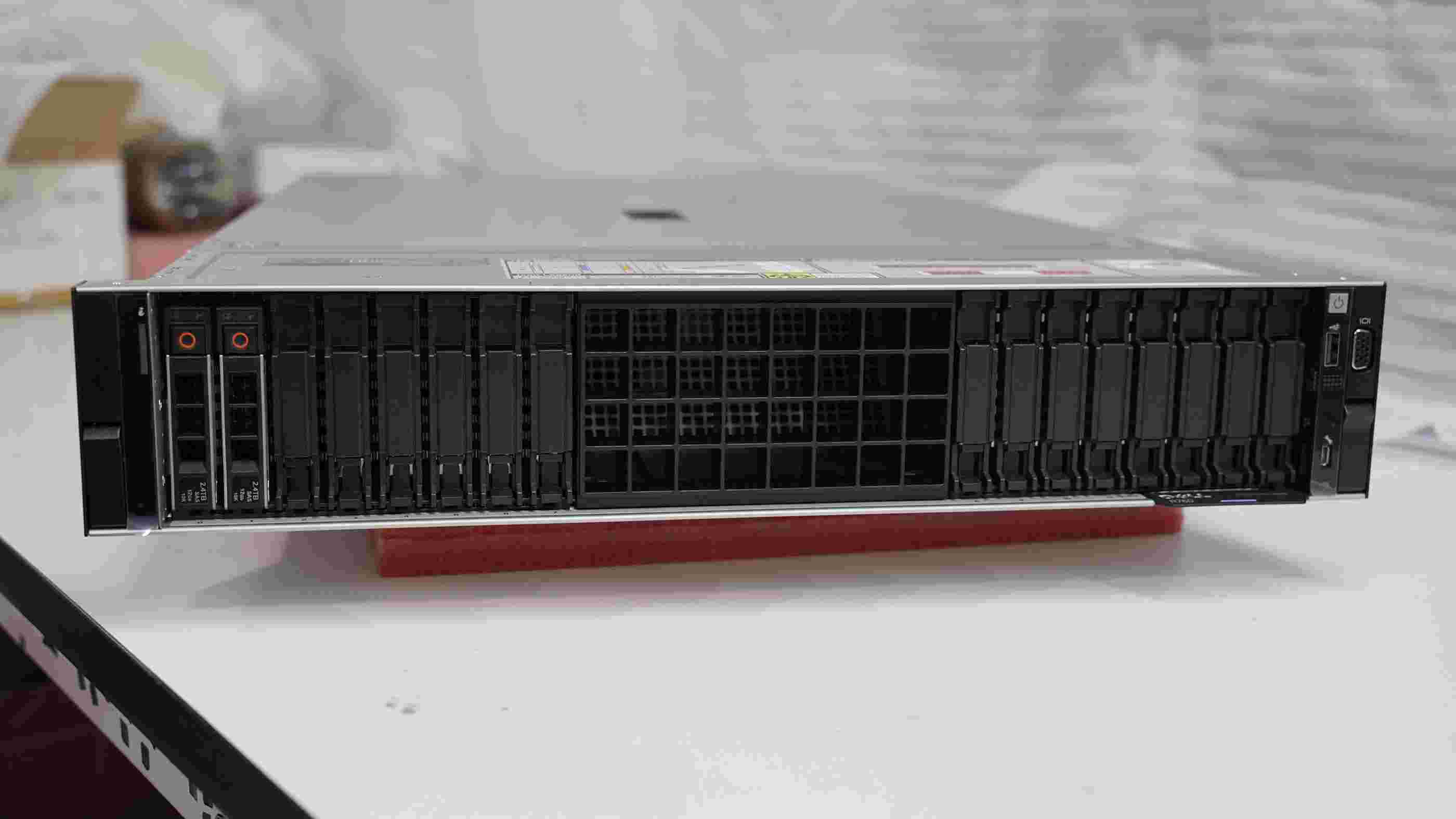
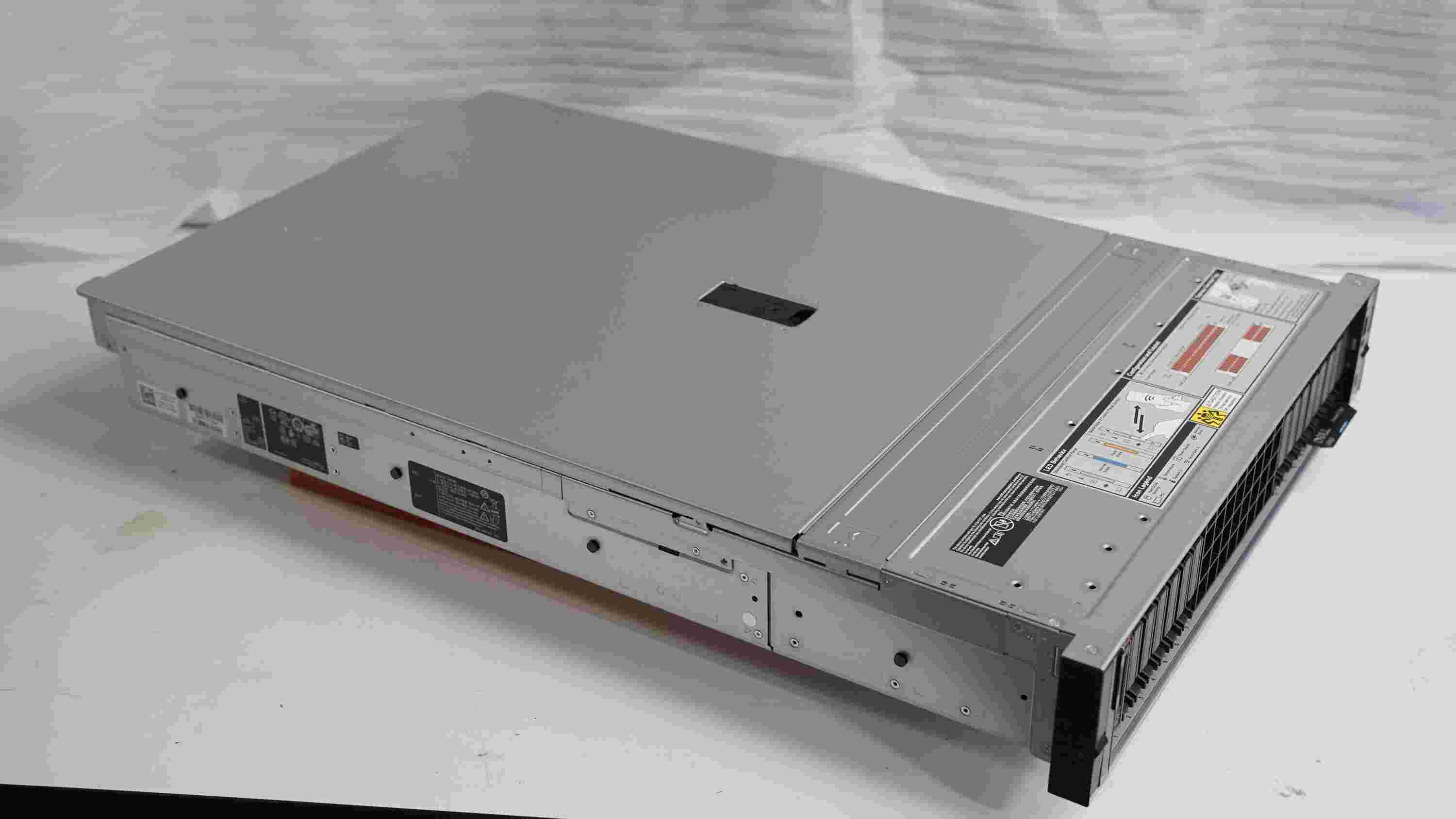
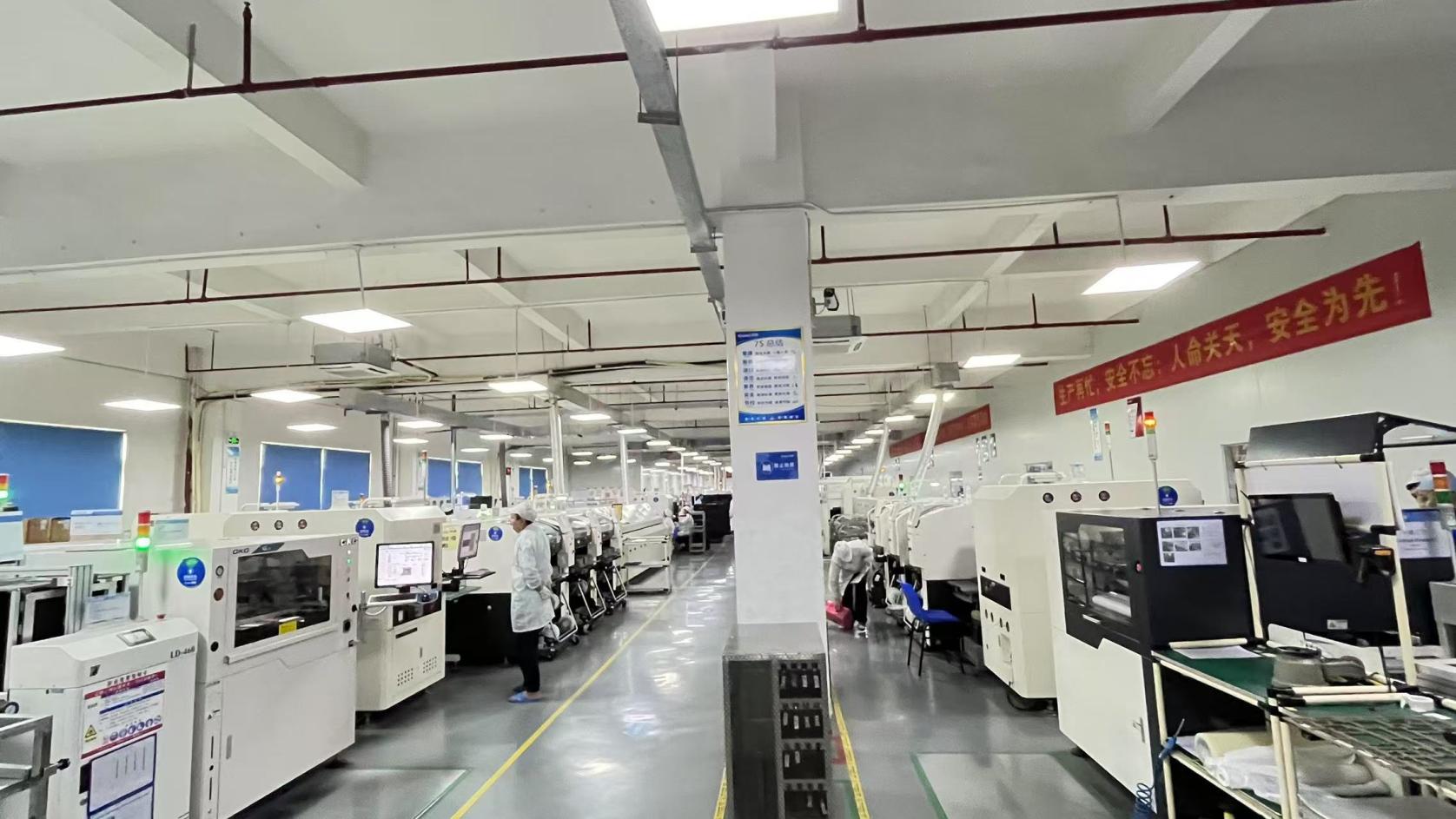
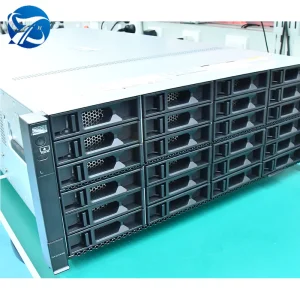
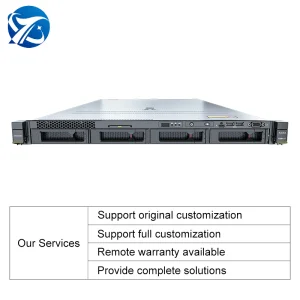
High-performance rack servers and components configured to host mission-critical virtualization software and AI workloads.
Answers to critical technical queries regarding hardware selection, virtualization layers, and platform deployment.
Purchasing servers pre-configured for virtualization guarantees that NIC drivers, RAID controllers, and motherboard BIOS settings (such as Intel VT-d or SR-IOV) are optimized. This reduces deployment times from days to hours and prevents driver conflict errors during hypervisor installation.
Borevo enforces a strict, multi-step quality control system led by 45 QC experts. We carry out Automated Optical Inspection (AOI), full burn-in stress testing, thermal cycling, and high-performance benchmarking to verify compute efficiency under prolonged virtualization loads.
Yes, our systems are built on standard x86 and GPU architectures. They are fully compatible with industry-standard hypervisors and virtualization platforms, including VMware ESXi, Proxmox VE, OpenStack, Microsoft Hyper-V, and KVM-based Linux distributions.
We offer substantial customization capabilities including custom BIOS/firmware setups, customized PCB component configurations, targeted high-performance thermal modifications, and bespoke memory/storage ratios matching specific virtualization density requirements.
vGPU partitioning allows a single physical GPU to be divided into distinct virtual frames. This means multiple AI workloads or distinct development pipelines can share the same GPU resources simultaneously with complete logical isolation, maximizing hardware utilization.
Lead times depend on customization requirements and component availability. Standard configurations typically ship within 2 to 3 weeks, while customized hardware solutions requiring customized PCB or custom thermal engineering take 4 to 6 weeks.