Borevo
Borevo
Borevo
Discover our leading-edge rack servers, switches, and AI acceleration architectures engineered for critical data enterprise deployments.
Modern global enterprises are rapidly shifting away from purely public cloud deployments. High latency, data transfer egress fees, compliance challenges, and performance bottlenecks for artificial intelligence workloads have stimulated a massive demand for hybrid architectures. A hybrid cloud framework seamlessly blends localized on-premise bare-metal physical servers with public hyper-scaler platforms, allowing organizations to run critical databases locally while utilizing public clouds for bursting workloads.
As a premier hybrid cloud solutions manufacturer and supplier in China, Borevo AI Infrastructure (China) Co., Ltd. is positioned at the intersection of high-density hardware manufacturing and complex software integration. Our deep integration with cutting-edge network topologies, redundant enterprise SAS/NVMe storage structures, and high-performance server clusters delivers the raw processing power required by modern AI algorithms, machine learning processes, and ERP databases globally.
A specialized enterprise hardware manufacturer establishing global benchmarks for compute acceleration and hybrid architecture integration.
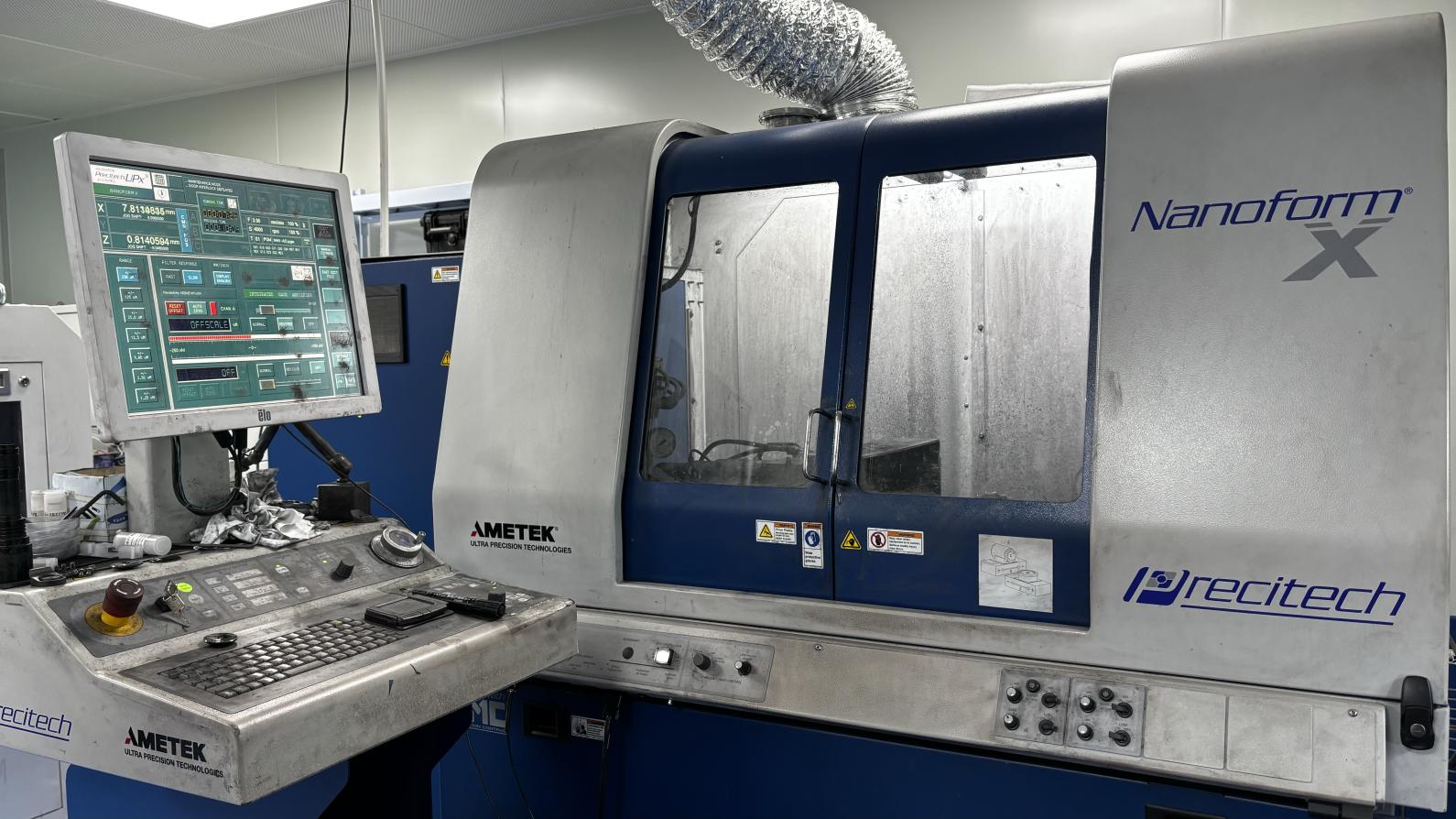
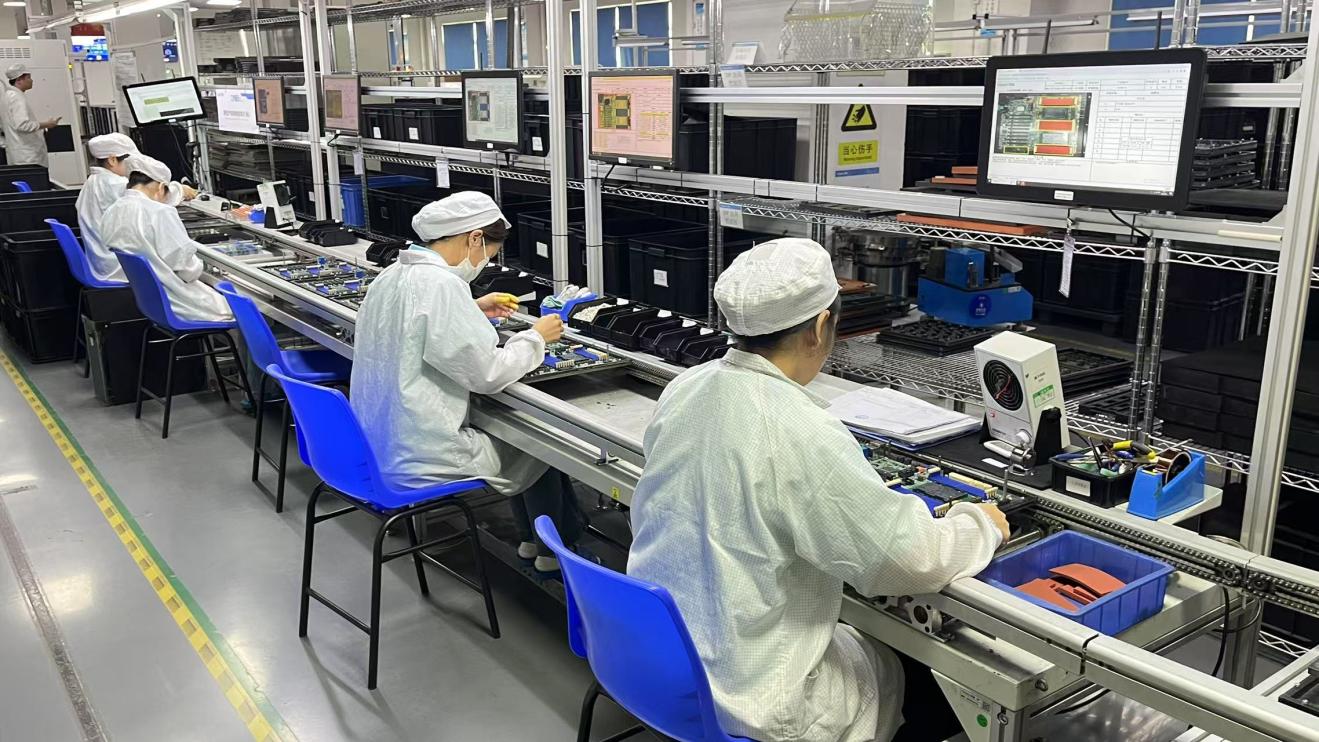
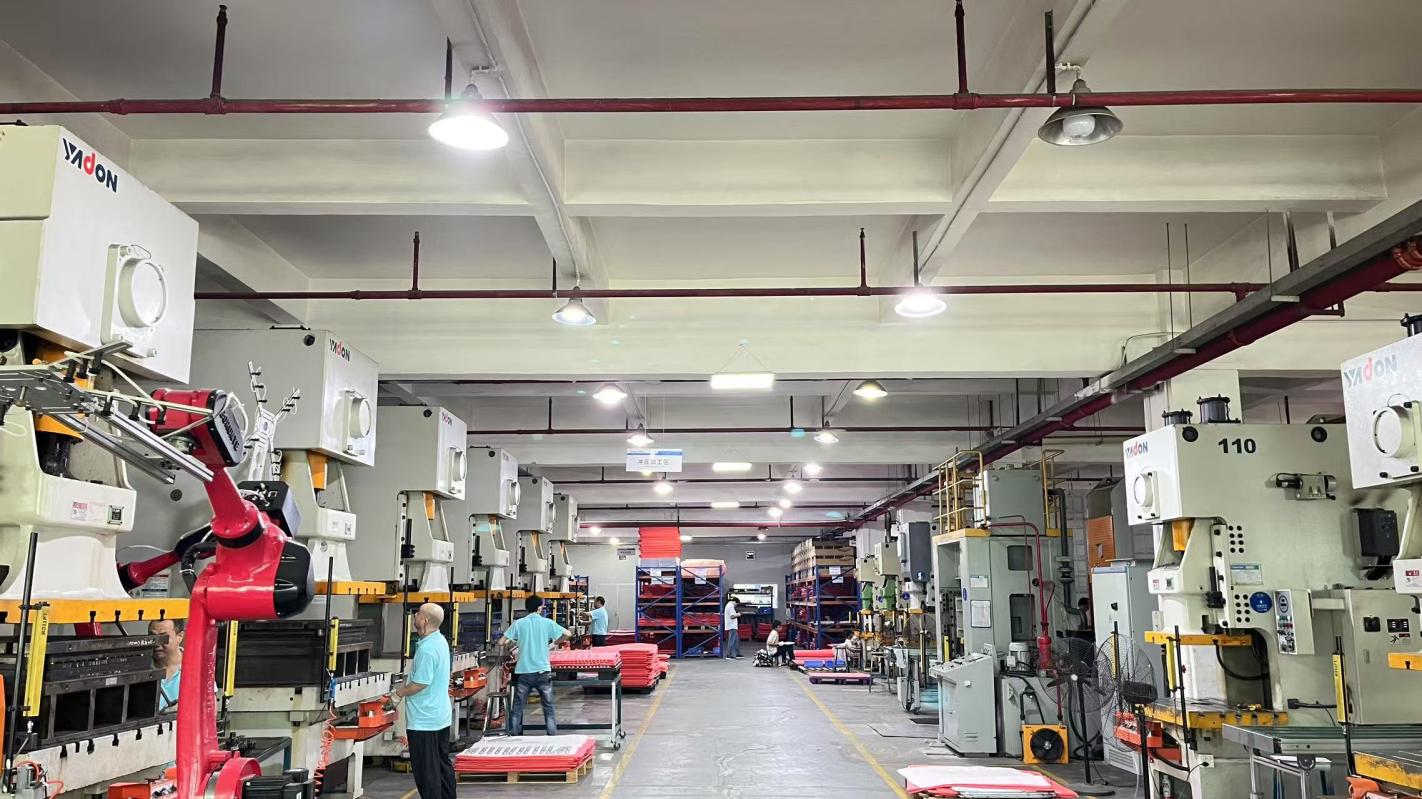
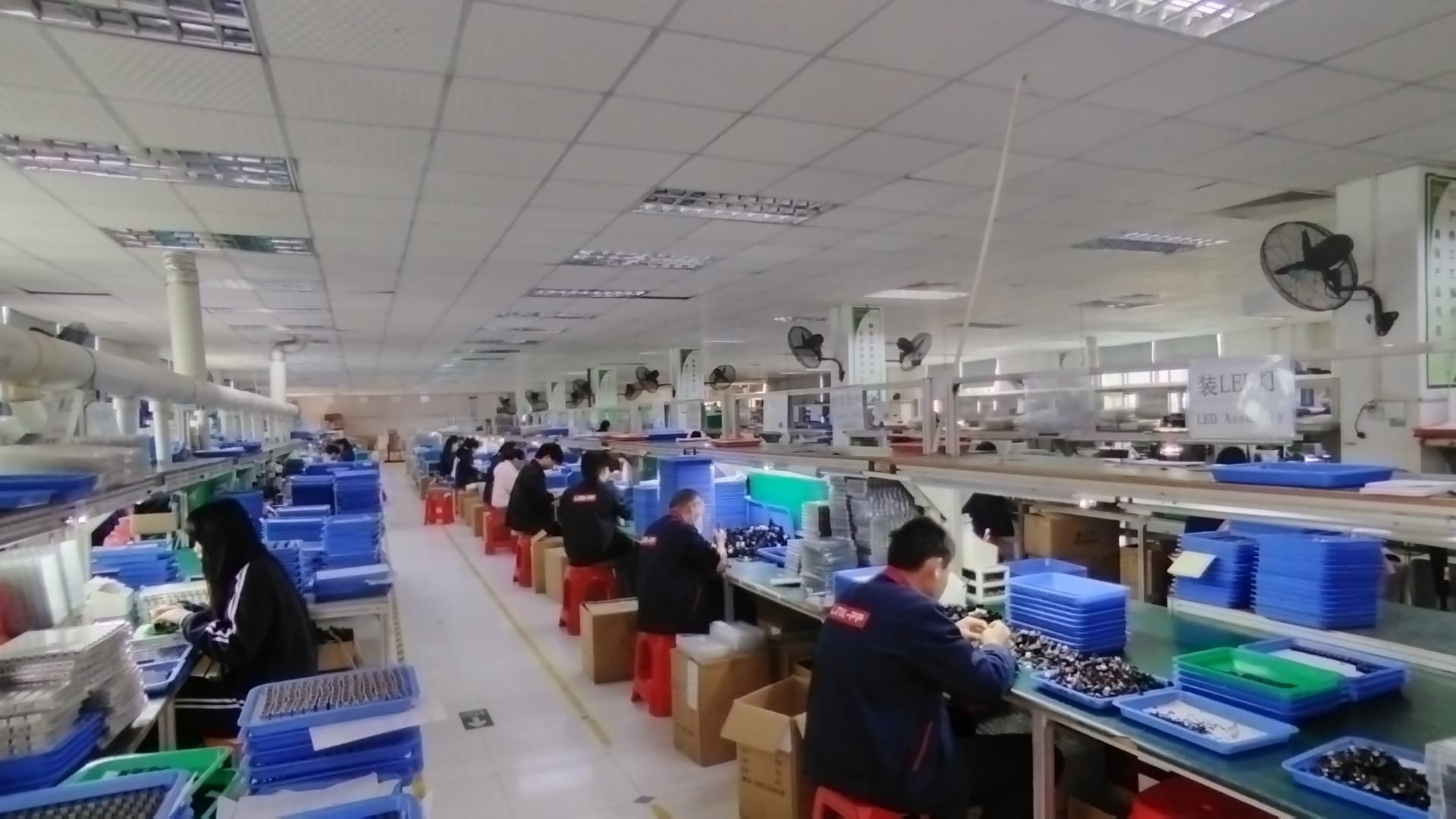
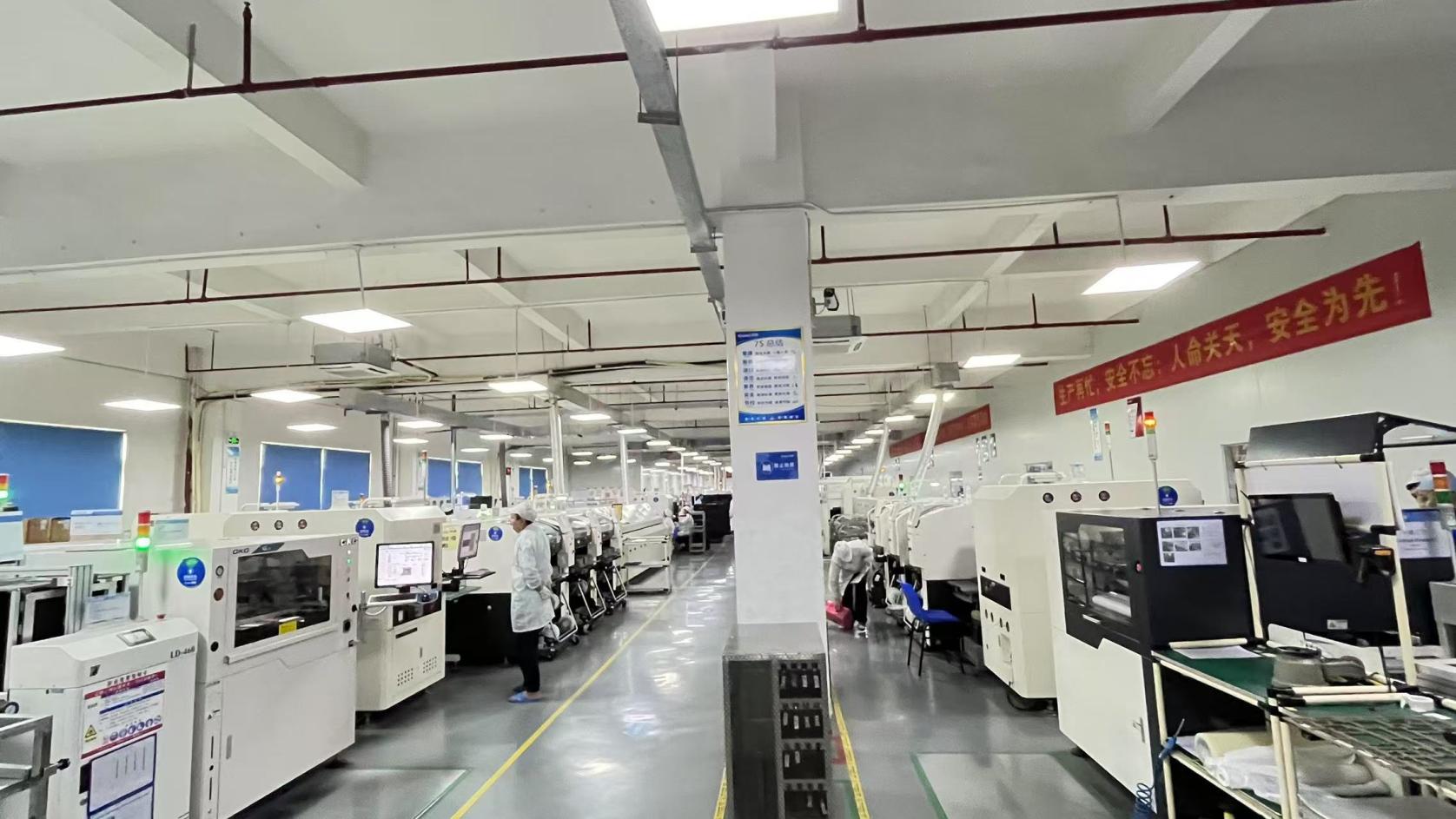
Founded in 2018, Borevo AI Infrastructure (China) Co., Ltd. operates a highly advanced facility spanning over 18,600 square meters. The enterprise focuses on GPU integration, AI acceleration setups, and bespoke computing platforms designed to bridge the gaps in high-density data centers. Our engineering staff of over 180 personnel designs and validates tailored motherboard and chassis configurations, producing more than 120 new products yearly to address changing computational trends.
With an annual export volume reaching USD 18 million and 7 years of direct export experience (representing 12 years of total industry engineering experience), Borevo works closely with system integrators, hyperscale data centers, and global enterprise networks. We utilize more than 850 strategic hardware supply partnerships to source premium semiconductors, PCBs, memory modules, and specialized liquid cooling components.
Our infrastructure engineering spans diverse hardware applications including:
Exploring how hybrid hardware deployments solve complex problems in various modern industries.
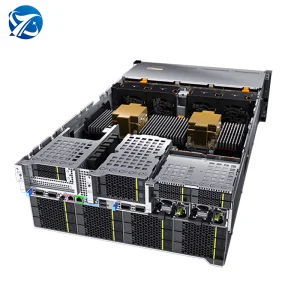
Enterprise resource planning (ERP) platforms require continuous database write/read performance and substantial CPU compute. In a hybrid setup, mission-critical ERP nodes are hosted locally using four-socket architectures (such as the 2488H V5 4-Socket Server) to run in-memory databases with minimal latency. Data is periodically synchronized to public backup systems, guaranteeing business continuity and meeting local regulatory compliance standards.
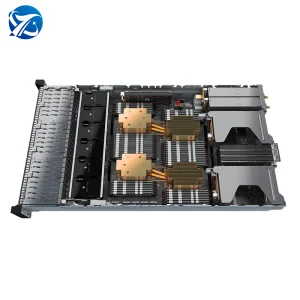
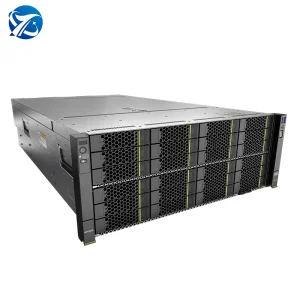
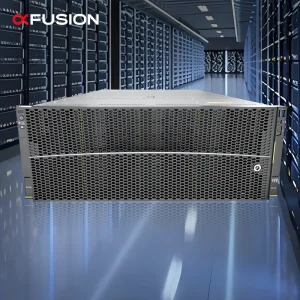
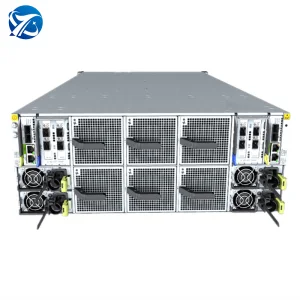
Training large models (including local DeepSeek framework instances) demands dense GPU infrastructure. Modern data center designs integrate 4U systems, such as the FusionServer 5288 V6 GPU cluster, inside localized high-speed containers. This minimizes data transmission latency and eliminates cloud egress fees while utilizing public cloud resources to process secondary data pipelines.
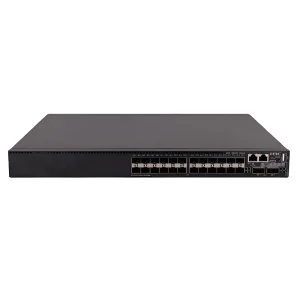
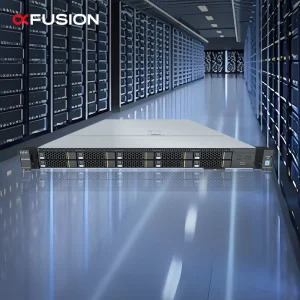
Smart factories rely on automated edge computer nodes to run defect detection models. High-capacity 1U and 2U rack systems are deployed locally on the factory floor, with 10G/40G fiber switches (such as the H3C S6520X-30QC-EI) handling data transfer. Aggregated quality statistics are forwarded to public cloud databases daily for global production tracking.
Evaluating the technological changes defining the next generation of hybrid cloud architectures.
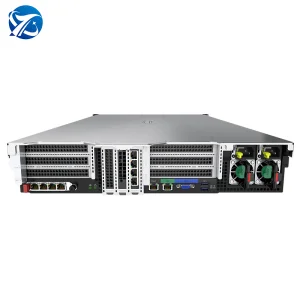
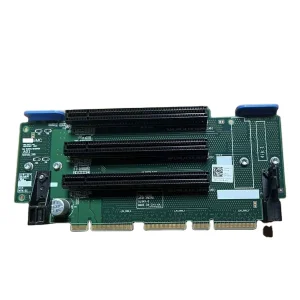
The progression of hybrid cloud hardware is driven by the rise of heterogeneous compute fabrics and modular, open-standard components. As CPU scaling reaches physical limits, offloading heavy calculations to specialized accelerators is critical. High-performance riser cards (such as the PM3YD PCI-E 3.0/4.0/5.0 riser) enable flexible configurations within server chassis, allowing configurations with varied accelerator cards to work seamlessly alongside standard Intel Xeon and AMD EPYC platforms.
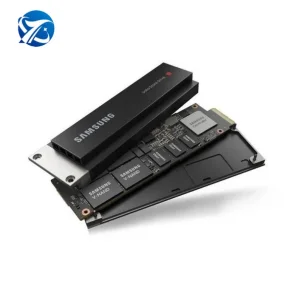
In the storage layer, the evolution points toward high-density, low-latency architectures. Enterprise SSD units (ranging from 240GB up to 7.68TB, such as the Samsung PM883 / PM893 / PM9A3 series) provide the speed required for large-scale transaction systems and real-time inference tasks. The roadmap is defined by a shift from legacy SATA connections toward NVMe-over-Fabrics (NVMe-oF), which enables local storage drives to perform with the speed of direct system memory.
| Technology Area | Current Standard (2024-2025) | Future Standard (2026-2028) | Impact on Hybrid Infrastructure |
|---|---|---|---|
| PCIe Interface | PCIe Gen 4.0 / Gen 5.0 (32GT/s - 64GT/s) | PCIe Gen 6.0 / Gen 7.0 (128GT/s+) | Doubles communication bandwidth between GPU, CPU, and storage for faster training tasks. |
| Storage Protocol | NVMe U.2/U.3 & SATA III (6Gbps) | NVMe-over-Fabrics (NVMe-oF) via PCIe Gen 5/6 | Decreases data transfer latency between distributed clusters and physical storage. |
| Thermal Systems | High-CFM Fan Cooling & Closed-loop Liquid | Direct-to-Chip Liquid & Immersion Phase Cooling | Optimizes power utilization effectiveness (PUE) in high-density data centers. |
| Networking | 10G / 40G / 100G Fiber Optic Links | 400G / 800G Ultra-high-speed Networking | Eliminates throughput constraints for hybrid cloud database replication. |
Looking ahead, environmental efficiency is a core engineering priority. Borevo is designing direct-to-chip liquid cooling systems and modular rack assemblies that reduce power usage effectiveness (PUE) ratios below 1.2. This ensures compliance with regional environmental regulations while helping enterprises lower operational overhead.
The core advantage of partnering with a Chinese hybrid cloud solutions manufacturer lies in the deep vertical integration of the local electronics and component supply chain. Centered within major technology hubs like Shenzhen and the Yangtze River Delta, our facility coordinates with over 850 strategic partners. This local ecosystem allows us to source raw multi-layer PCB materials, power modules, complex cooling arrays, and semiconductors quickly, reducing production times.
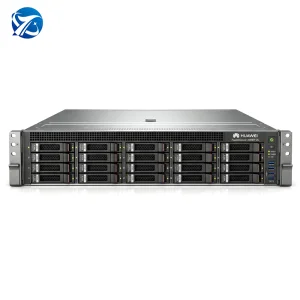
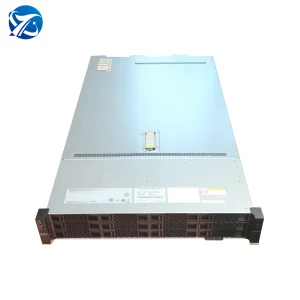
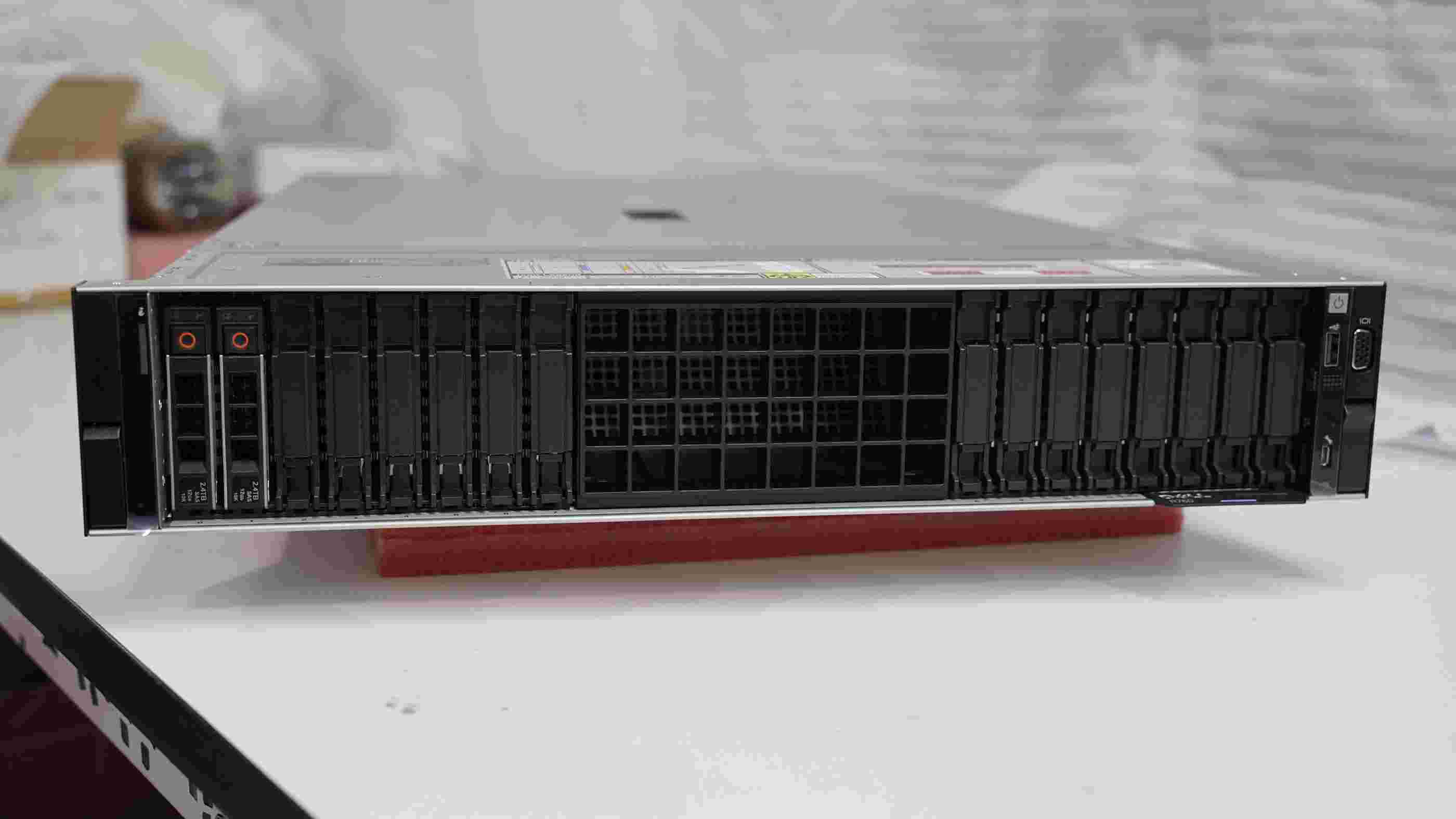
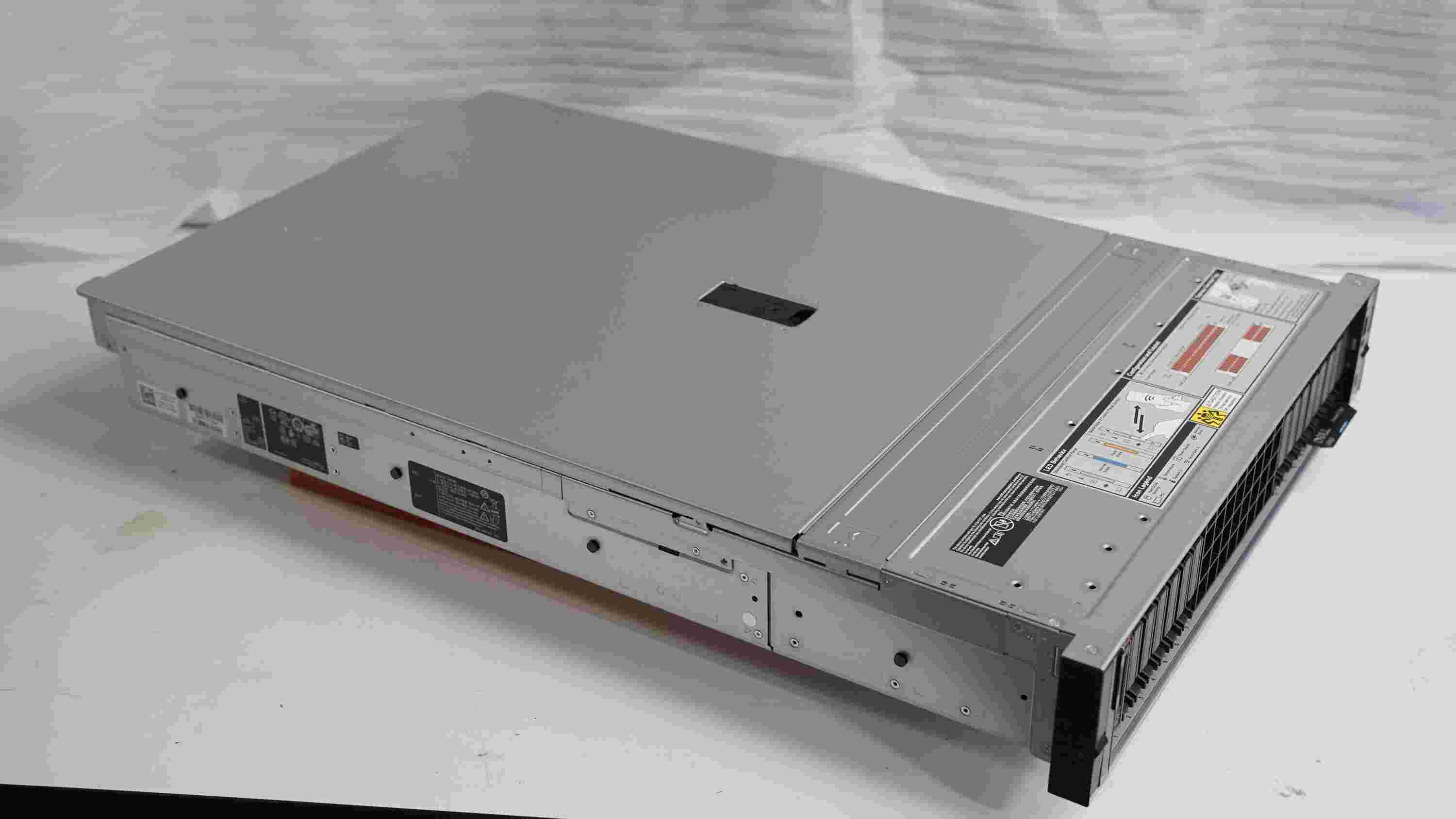
This geographic concentration allows Borevo to pivot production setups quickly. When global component shortages impact standard server lines, our supply chain relationships allow us to substitute equivalent parts, redesign layouts, and deliver custom units like the FusionServer 2288H V5 / V6 2U server series with minimal delays compared to traditional manufacturers.
Navigating international regulatory frameworks and establishing local support channels.
Deploying hybrid hardware globally requires compliance with regional data regulations, safety certifications, and cybersecurity guidelines. Different jurisdictions mandate strict data isolation and on-shore information storage, making physical on-premise components essential. Borevo's server chassis and networking platforms comply with international standards, helping organizations build secure, compliant hybrid setups.
We meet global market compliance standards through continuous engineering certification processes:
Additionally, Borevo offers customizable firmware options (including UEFI, BIOS, and BMC modifications). This allows enterprises to configure specialized boot protocols, customize system security settings, and integrate system health monitoring platforms like OpenBMC. These options reduce software integration issues and speed up system deployment.
Answers to technical questions regarding hybrid cloud architecture, hardware integration, and shipping logistics.
1. How do Borevo servers interface with public cloud hyper-scalers? [Click to read]
2. What customization options do you offer for OEM/ODM hardware? [Click to read]
3. What quality assurance and burn-in testing protocols do you apply? [Click to read]
4. How does Borevo manage supply chain challenges? [Click to read]
5. Can you supply specific enterprise components like SAS/SATA SSDs and network cards? [Click to read]
Explore our selections of enterprise hardware upgrades, GPU compute nodes, and high-density rack servers.