Borevo
Borevo
Borevo
Explore our industrial rack-mount systems and deep-learning accelerators engineered for zero-latency video encoding, AI rendering, and ultra-high-definition media processing.
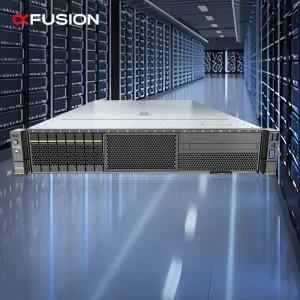
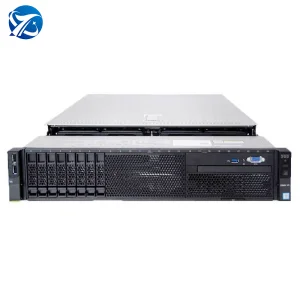
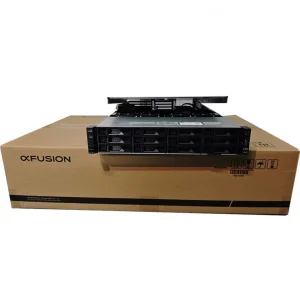
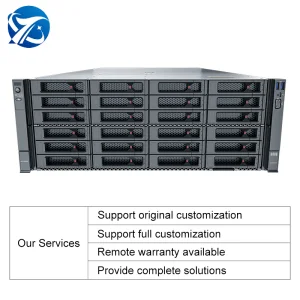
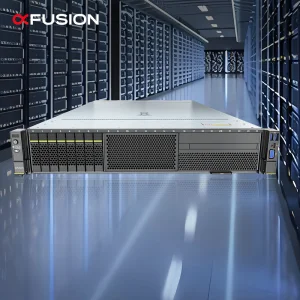
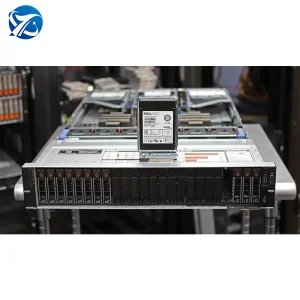
Borevo AI Infrastructure (China) Co., Ltd. builds scalable backbone technology powering deep neural rendering, real-time media encoding, and ultra-high-definition audio-visual delivery systems worldwide.
Modern professional audio-visual applications are no longer isolated pipelines of analog components. As industries migrate to Software-Defined Visual Processes (SDVP), IP-based video matrices, and real-time GPU rendering engines, the host server hardware becomes the foundational cornerstone of the system.
At Borevo, we optimize heterogeneous computing setups to handle complex tasks, including multi-stream 8K video transcoding, ultra-low latency broadcasting, and real-time rendering. By integrating GPU nodes directly into our processing frameworks, we support major projects in live sports broadcasting, massive virtual production setups, and smart city operations.
Our solutions feature highly customized system architectures, tailored cooling solutions for extended operation, and advanced memory interfaces designed to handle high data throughput without performance degradation.
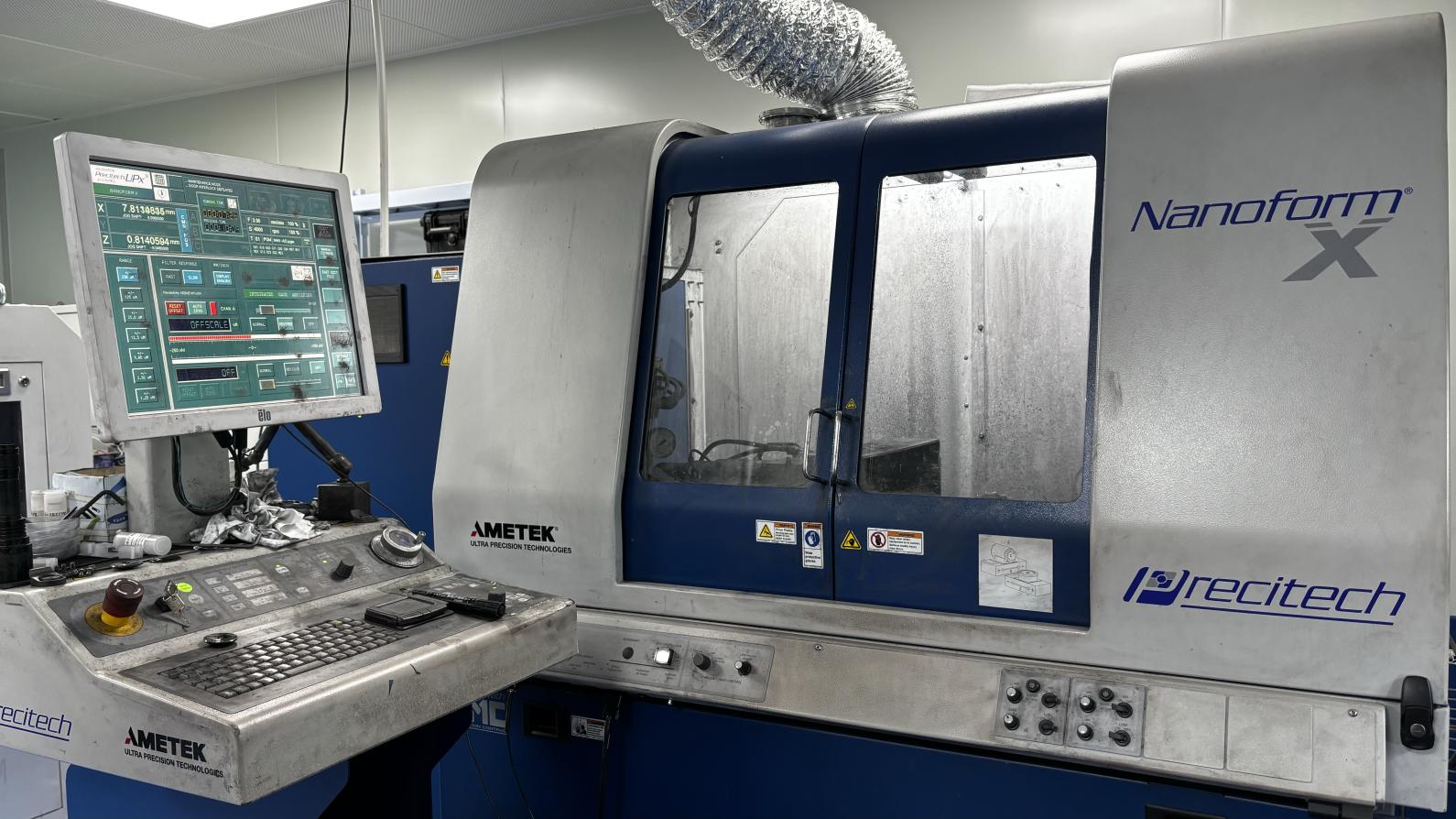
An in-depth analysis of how hardware processing power, custom motherboard integration, and network architectures are defining modern broadcast control rooms and enterprise visual processing.
Integrating NVIDIA H100, L40S, and customized AI GPU clusters within rack-mount infrastructures enables real-time encoding and decoding of uncompressed multi-channel SDI and SMPTE 2110 feeds.
Consolidating media storage, video matrix control, and AI-driven analysis into single high-performance nodes decreases local rack footprint while keeping processing latencies under 5 milliseconds.
Customizing hardware configurations specifically for deep learning libraries. Our servers optimize resource allocation during complex, real-time audio-visual translations and generative media creation.
As the international broadcast landscape shifts toward IP-based networking, demands on infrastructure are reaching unprecedented levels. Systems need to handle massive raw data streams, manage high-density power requirements, and maintain absolute hardware reliability.
| Application Area | Conventional Approach | Borevo AI-AV Integrated Infrastructure | Primary Performance Gains |
|---|---|---|---|
| Virtual Production Studios | Local workstations with high render latencies. | Central GPU rack servers running unified real-time engines. | Low-latency rendering, unified multi-camera synchronization. |
| Broadcast Transcoding Centers | Fixed-function hardware decoders with limited codec flexibility. | Software-defined media servers powered by scalable processors. | On-the-fly support for emerging codecs (AV1, HEVC, VVC). |
| Smart City Operations & Command Centers | Basic multi-viewers with external video wall controllers. | Hyperconverged rack servers with built-in analytics. | Concurrent 8K wall management with real-time semantic analysis. |
| Event Venues & Immersive Displays | Decentralized media players running independent loops. | Synchronized multisocket rack platforms with unified clocks. | Frame-accurate playback across multi-acre installations. |
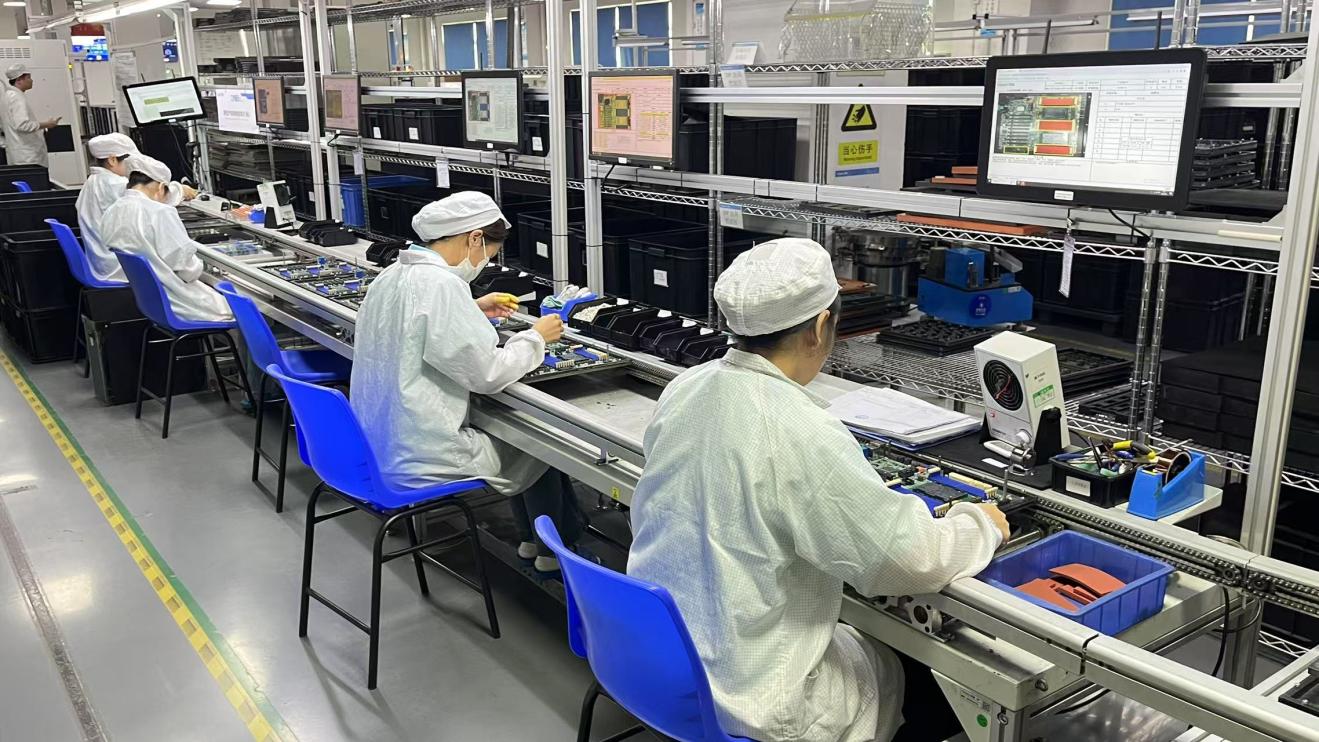
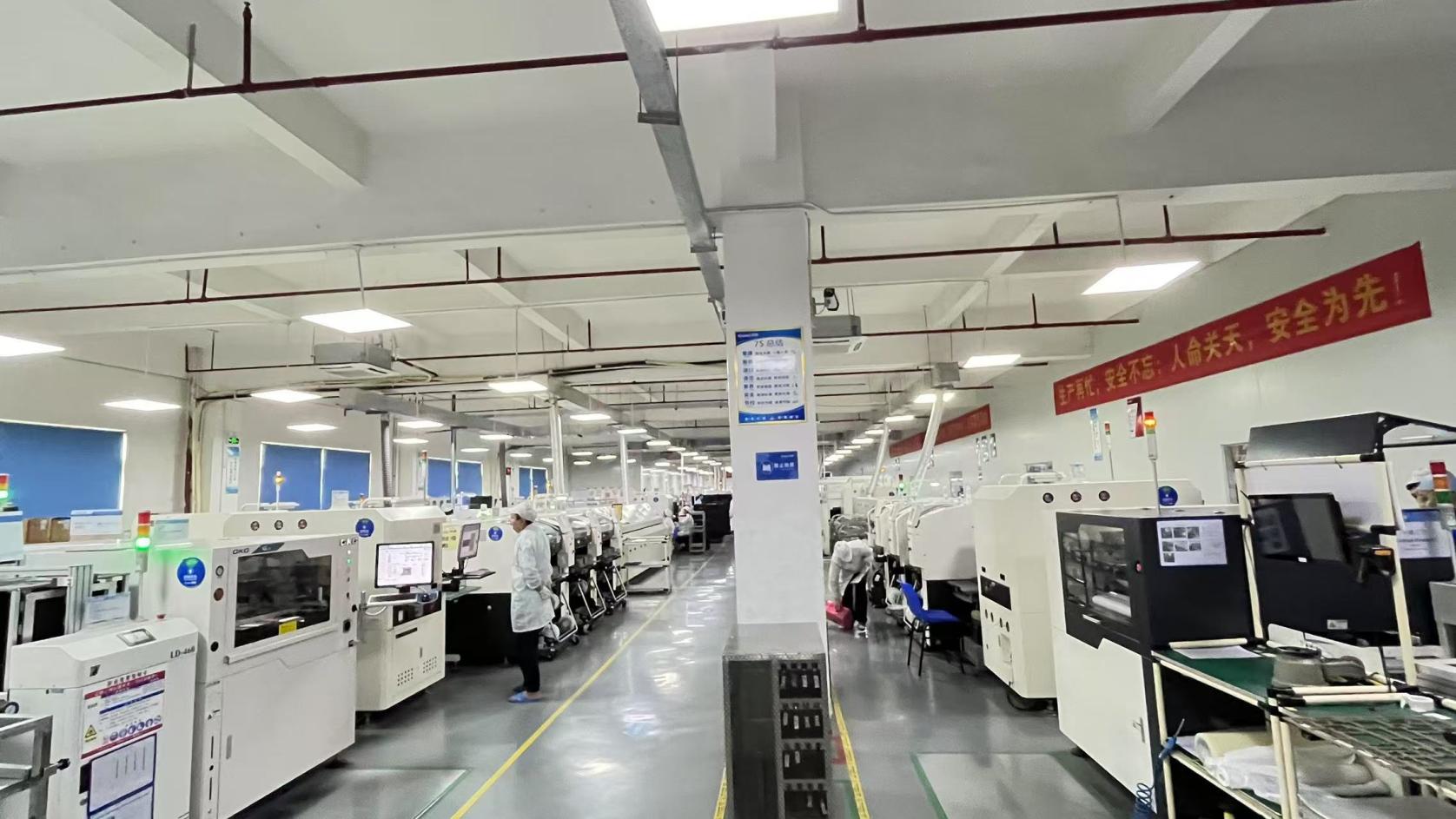
High-end performance relies on production quality. Operating out of our 18,600 ㎡ modern manufacturing facility, we verify every processing board and GPU system against strict industrial performance benchmarks.
Our quality assurance program is managed by a team of 45 QC specialists. We test and verify key system properties to protect components against environmental stress and keep them stable under heavy workloads:
With a dedicated team of 180 engineers and a track record of 120 new product designs released last year alone, we build tailored hardware solutions optimized for challenging enterprise environments.
Modifying PCB footprints, PCIe configurations, and connector locations to fit custom system setups, rack envelopes, and mobile flight cases.
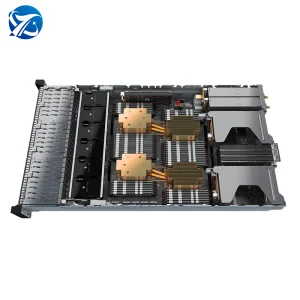
Simulating and testing airflow paths, utilizing liquid cooling blocks, and using heavy-duty heat-pipes to maintain system stability under high-density GPU rendering workloads.
Configuring BIOS behaviors, securing IPMI out-of-band management controllers, and optimizing virtualization layers for seamless platform deployment.
Exporting high-performance hardware requires strict compliance with regional safety, emission, and environmental frameworks. Borevo's global support program ensures that hardware meets the certification standards of target markets across North America, Europe, and Asia.
All delivered systems are tested to comply with international regulations, including FCC Class A, CE Mark, RoHS, and UL standards. Our certifications verify that power distribution, EM levels, and materials meet strict safety and environmental rules.
To support deployment worldwide, we work with a network of 850 strategic partners. This collaboration allows us to deliver replacement modules, coordinate on-site system integration, and provide high-level tech support across different time zones.
Whether you are setting up cloud rendering nodes, updating broadcast control rooms, or installing real-time media systems, our team handles logistics and compliance checks for straightforward, hassle-free deployment.
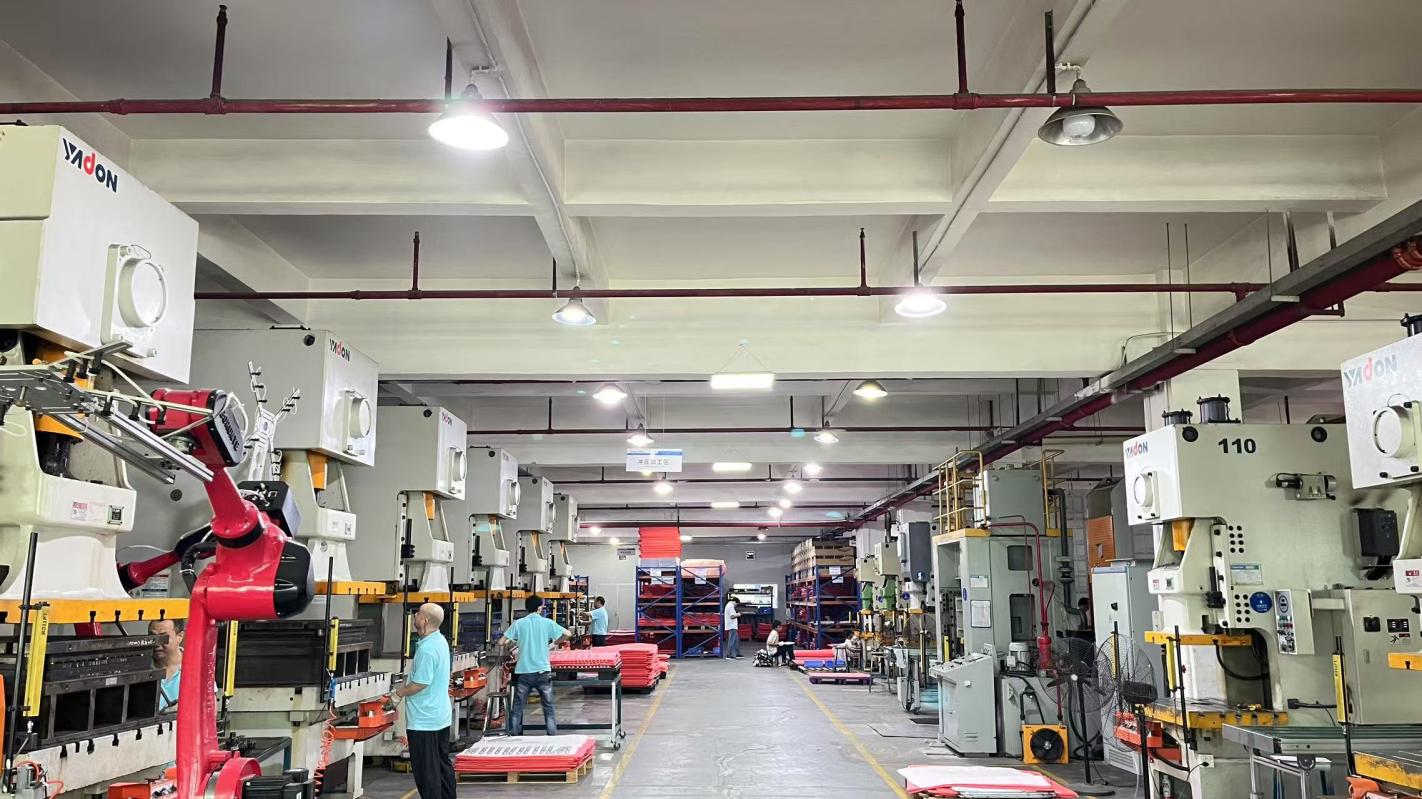
A look at the hardware developments and processing standards we are targeting for upcoming installations.
Upgrading bus bandwidth to double system data throughput. This allows direct communication between memory buffers and acceleration cards for multi-stream 8K AV distribution.
Introducing closed-loop liquid cooling blocks for high-density 2U configurations. This helps keep processors stable and extends hardware lifespan in small, enclosed spaces.
Developing native, API-driven firmware to monitor and allocate processing resources dynamically during live event broadcasts and large-scale rendering operations.
Common technical questions answered by our engineering and system architecture team.
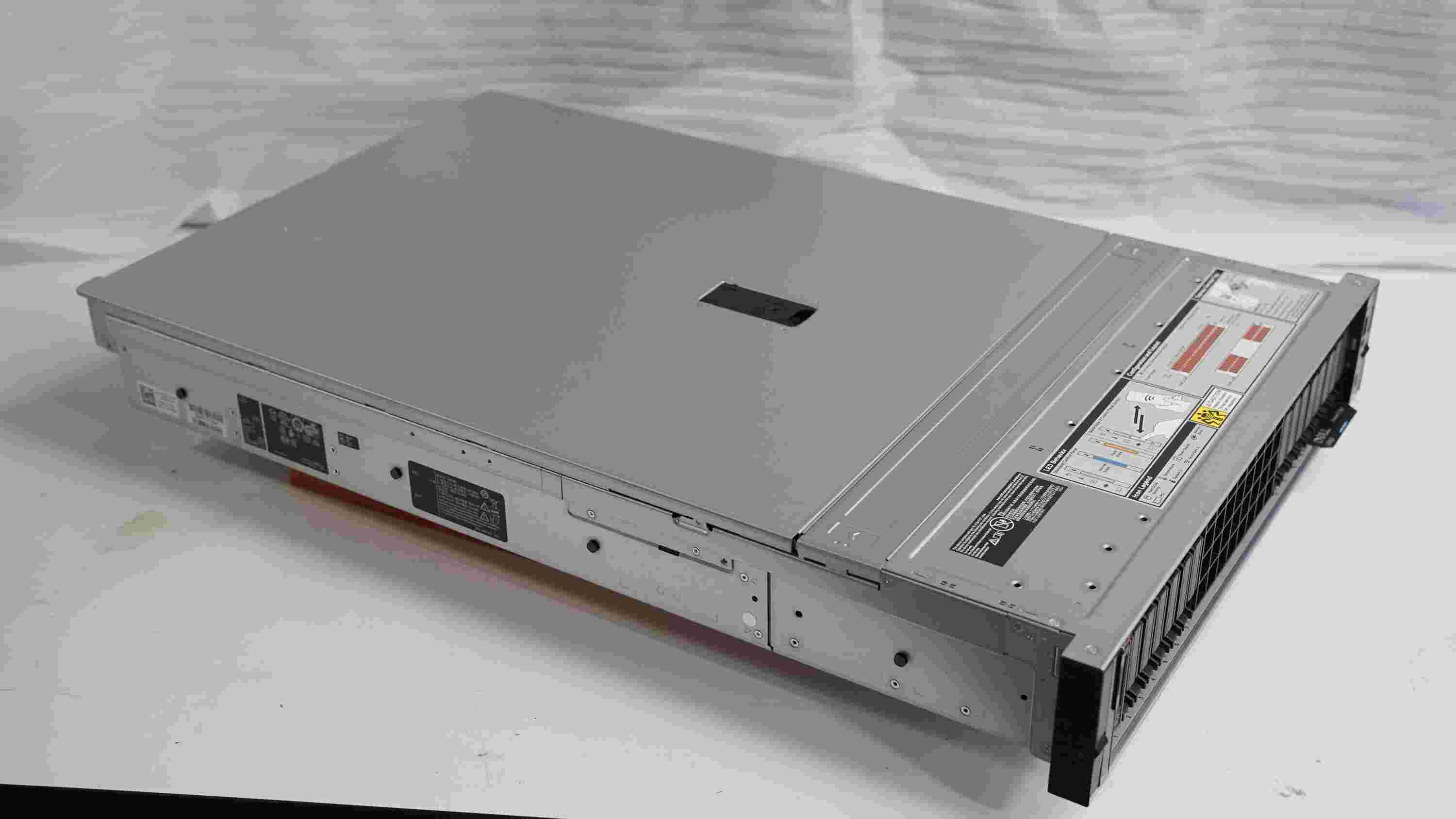
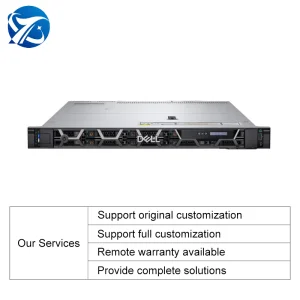
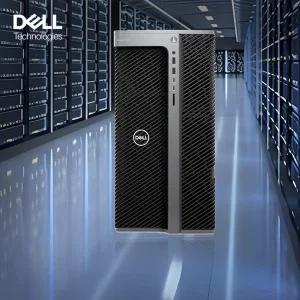
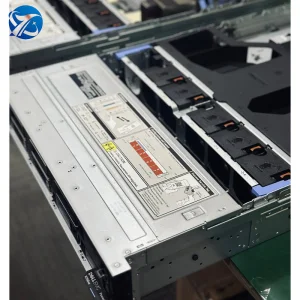
Browse our selection of dual-socket platforms, high-density storage nodes, and high-performance server architectures designed for heavy workloads.
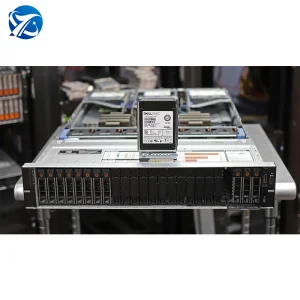
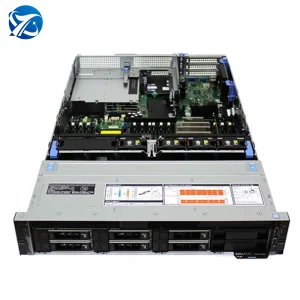
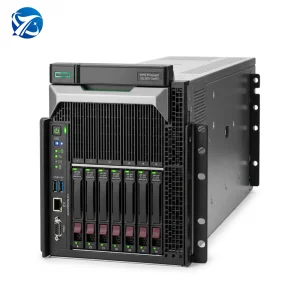
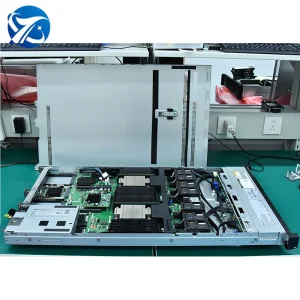
Take a look inside our R&D departments, assembly areas, and quality testing labs.