Borevo
Borevo
Borevo
Deploying secure, high-throughput enterprise Virtual Private Networks (VPNs) and Zero Trust architectures demands resilient server platforms. Explore our custom-engineered xFusion and Dell server systems configured for cryptography, network virtualization, and secure edge computation.
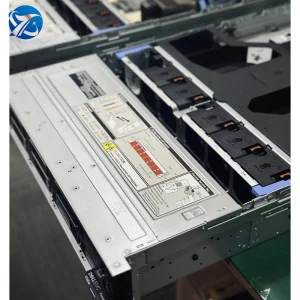
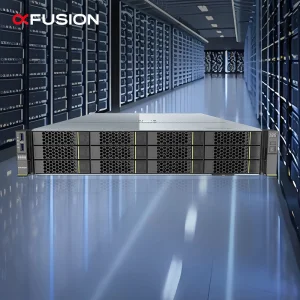
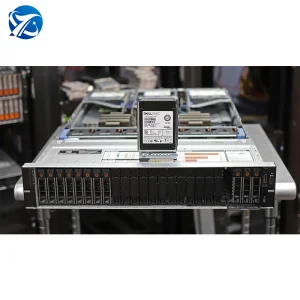
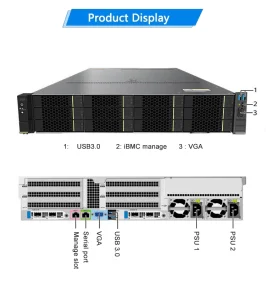
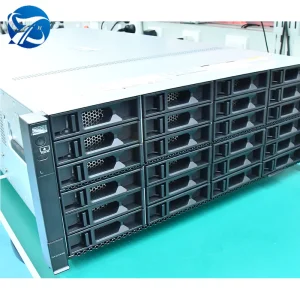
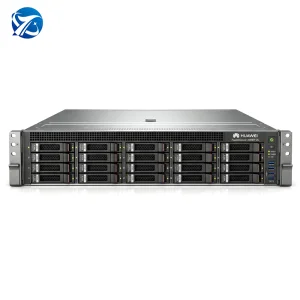
In an era dominated by hybrid workforces, cloud migration, and heightening cybersecurity threat landscapes, enterprise Virtual Private Networks (VPNs) are no longer simple software overlays. They are mission-critical security boundaries requiring deep integration with advanced hardware accelerators and customized bare-metal infrastructure. Global enterprises are aggressively migrating away from legacy, software-only VPN bottlenecks toward hardware-accelerated IPSec and Zero Trust Network Access (ZTNA) gateways.
Modern VPN solutions process gigabits of encrypted data per second. Legacy servers struggle under heavy cryptographic calculations. Our specialized enterprise server line uses integrated AES-NI, Intel QuickAssist Technology (QAT), and custom FPGA hardware offloading to prevent latency spikes during multi-tunnel operations.
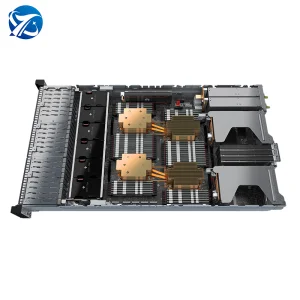
As ZTNA protocols demand constant validation of users and devices, network gateways must handle complex authentication checks alongside standard packet routing. Leveraging 2U multi-socket servers ensures adequate compute resources for real-time risk assessment engine execution.
Multinational companies require global edge nodes to securely bridge branch offices with centralized cloud infrastructure. Our server arrays act as edge cloud gateways, ensuring secure, encrypted backhaul links across multiple geolocations with minimal transit jitter.
Borevo AI Infrastructure partners globally to supply custom hardware capable of serving as high-capacity Virtual Private Network Network Function Virtualization (NFV) platforms. Understanding the deep engineering limits of network appliances is critical to maintaining a reliable, uninterrupted security stack.
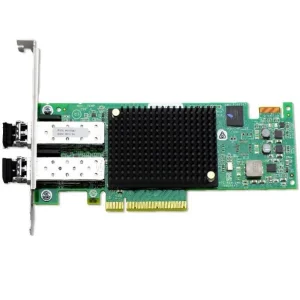
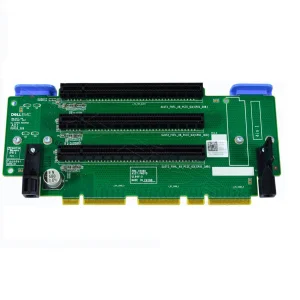
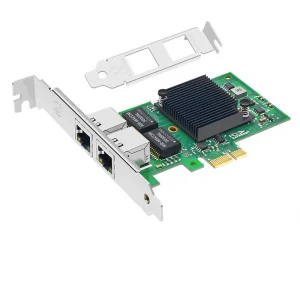
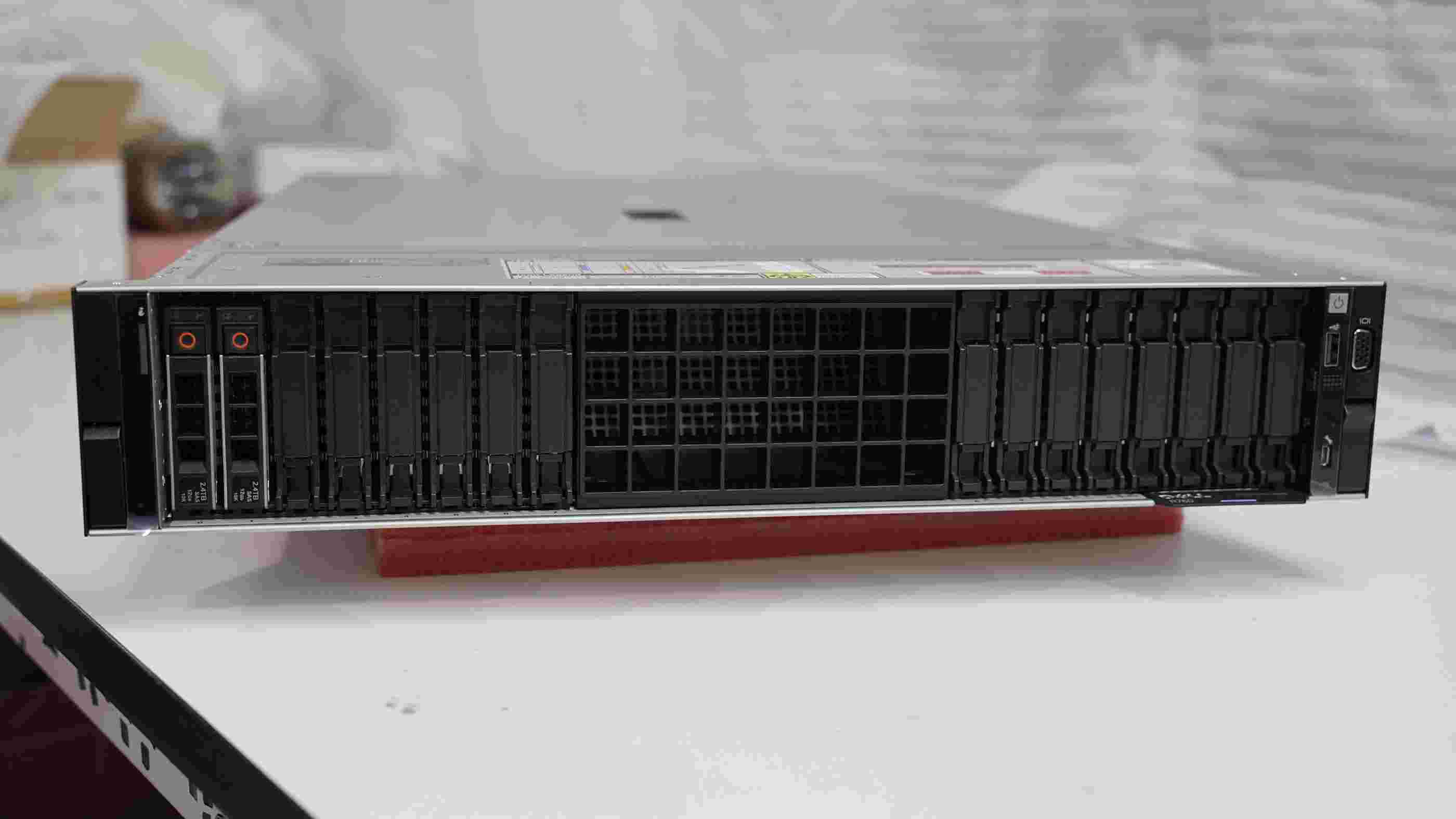
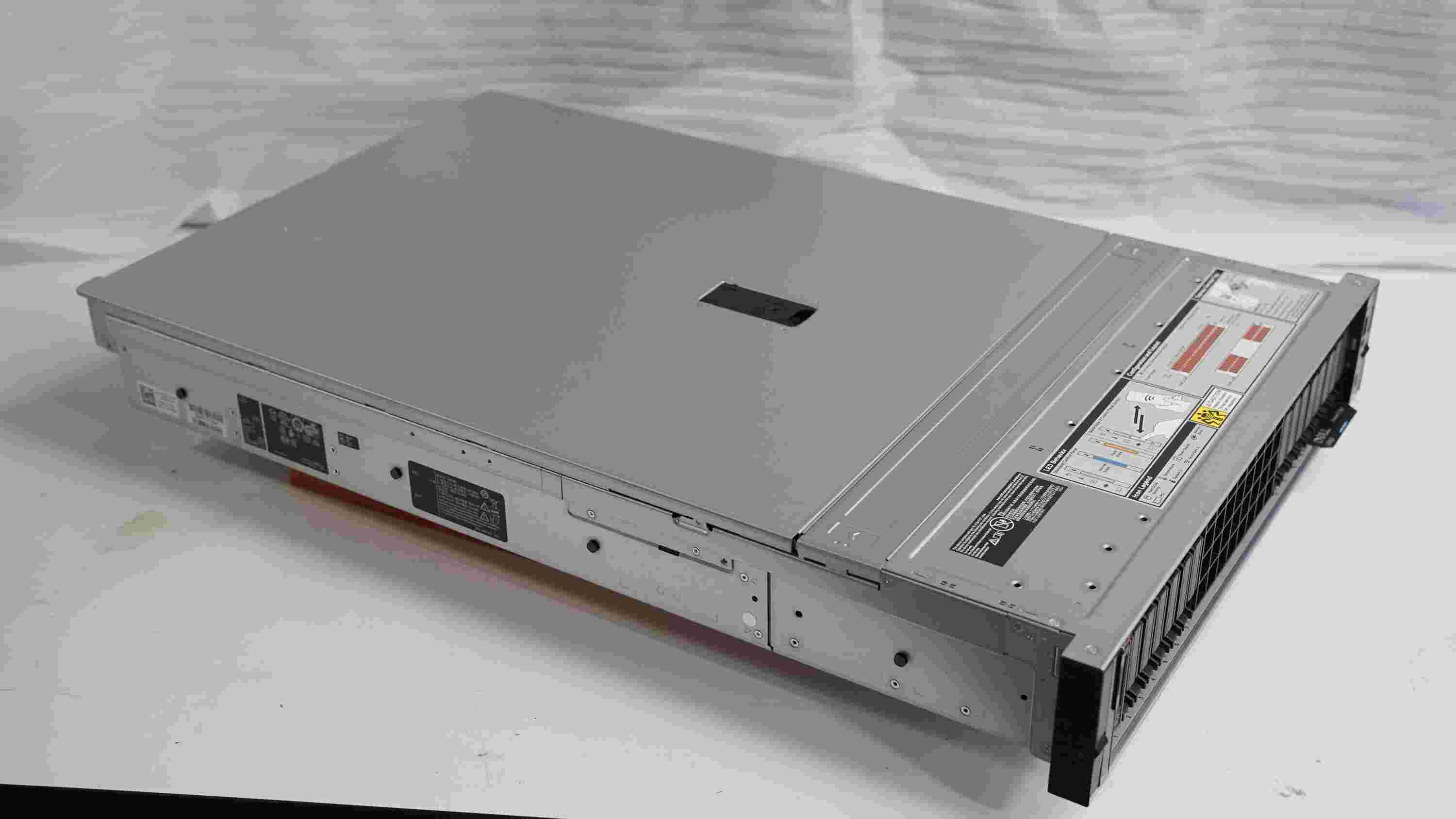
Typical enterprise routers rely on main processor cores to perform mathematical calculations needed for AES-256-GCM encryption, RSA handshakes, and Diffie-Hellman exchanges. This creates execution bottlenecks, especially in high-density corporate offices. By introducing server platforms integrated with Emulex FC Host Bus Adapters and highly scalable PCIe extension risers (such as our R740/R740XD custom GPU and accelerator cards), organizations can offload crypto routines directly to network accelerators. This drastically lowers CPU utilization, reserving core cycles for routing policy decisions and firewall inspection.
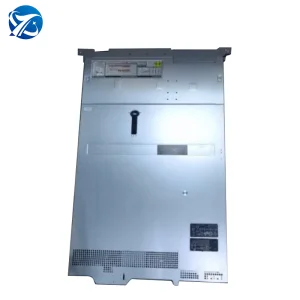
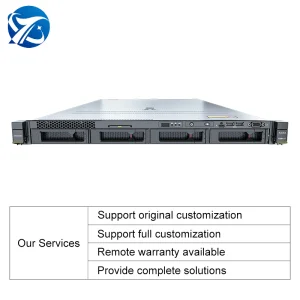
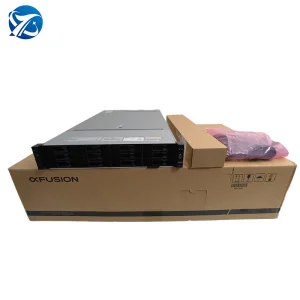
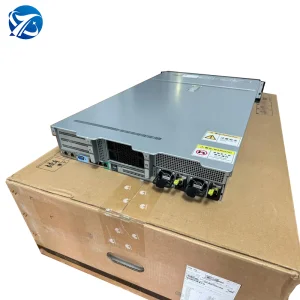
The next era of data transmission privacy involves deploying post-quantum cryptography (PQC) standards. Algorithms like CRYSTALS-Kyber and CRYSTALS-Dilithium demand significantly larger key sizes and compute cycles compared to legacy ECC or RSA. Our hardware roadmap involves deploying highly parallelized multicore architectures—exemplified by the 4-socket mission-critical xFusion 2488H series—to handle the massive data volume and high-complexity mathematical requirements of next-generation quantum-resistant secure channels.
With over a decade of dedication to complex computing infrastructure, Borevo AI Infrastructure (China) Co., Ltd. provides robust enterprise hardware solutions engineered to serve as secure VPN nodes, SD-WAN controllers, and remote computing arrays.
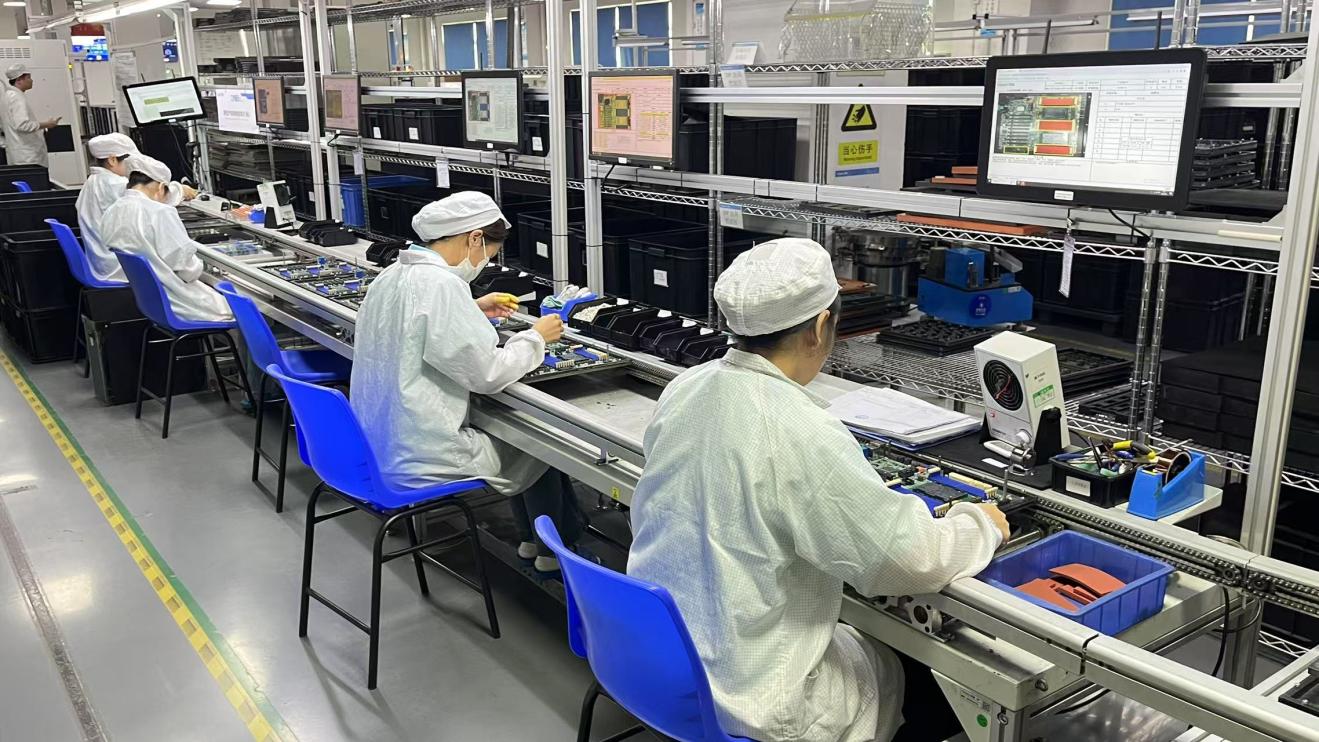
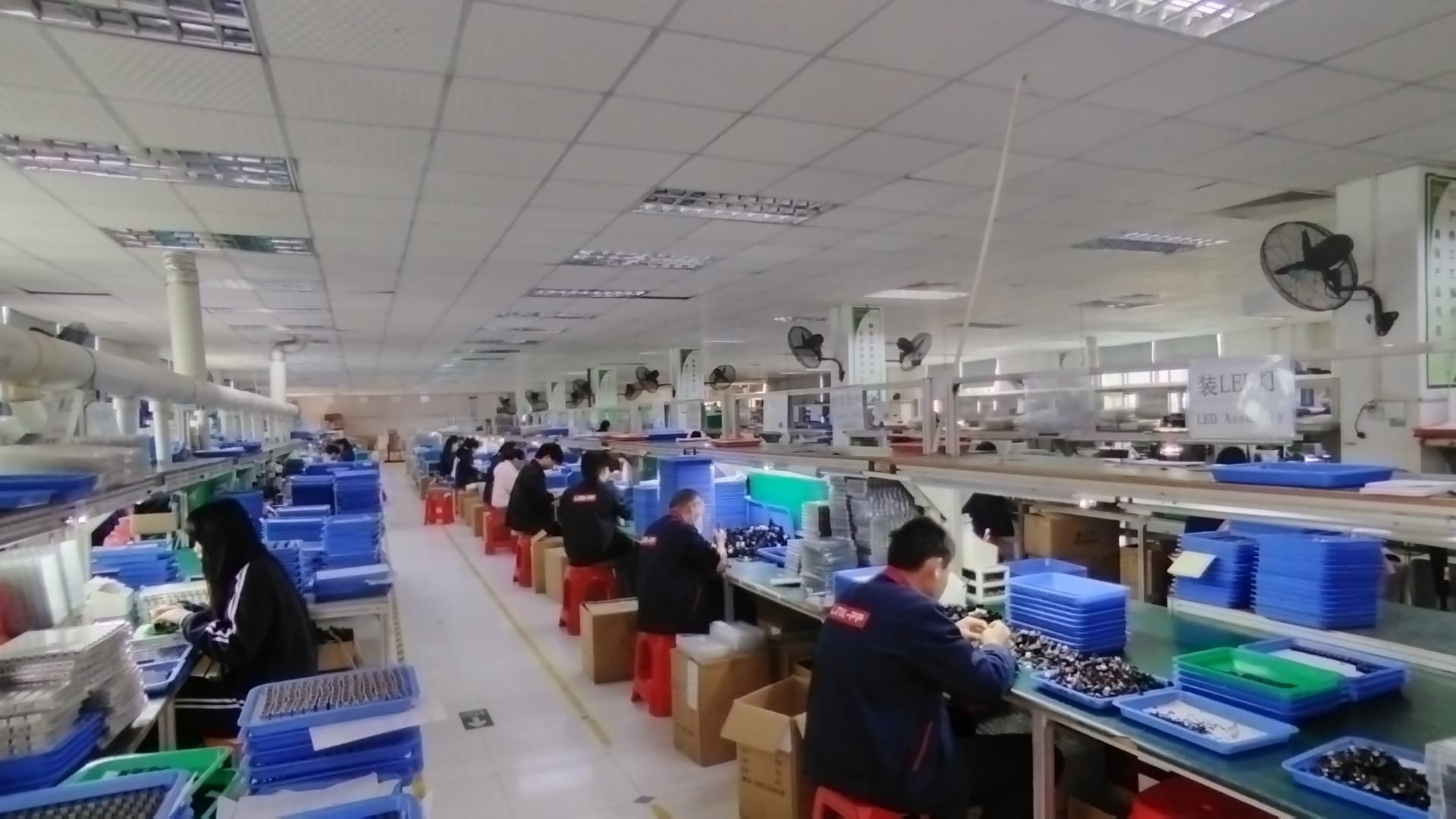
Every network server, HBA expansion card, and storage subsystem undergoes rigorous testing to guarantee deployment readiness in sensitive corporate environments. Our standard processes include AOI Inspection, Burn-in Testing, Thermal Stress Benchmarking, and custom BIOS/firmware optimization to harden servers against firmware vulnerability risks. Backed by 45 dedicated QC specialists, we maintain a flawless supply chain trusted by top-tier cloud service providers across North America, Europe, and Southeast Asia.
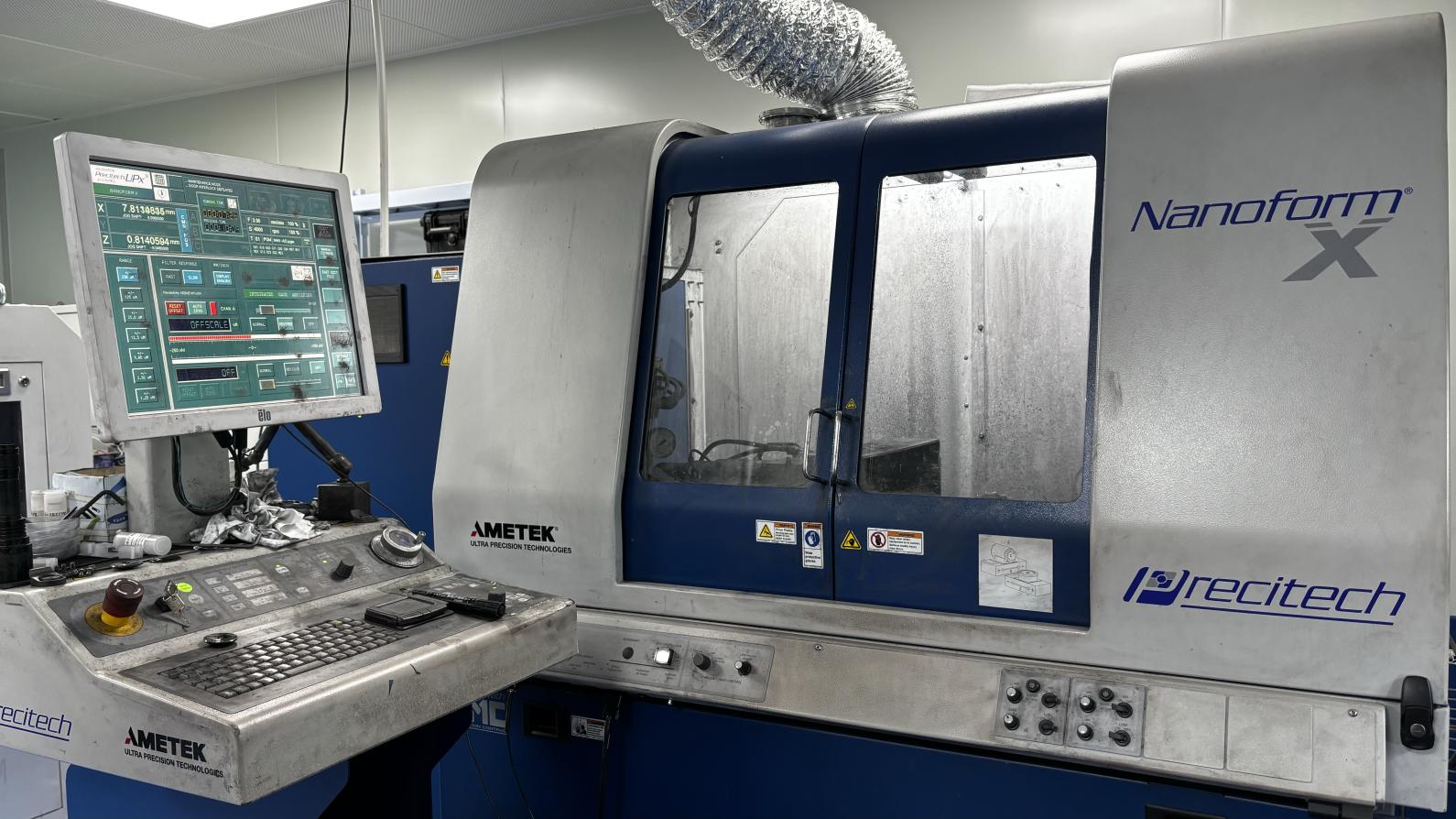

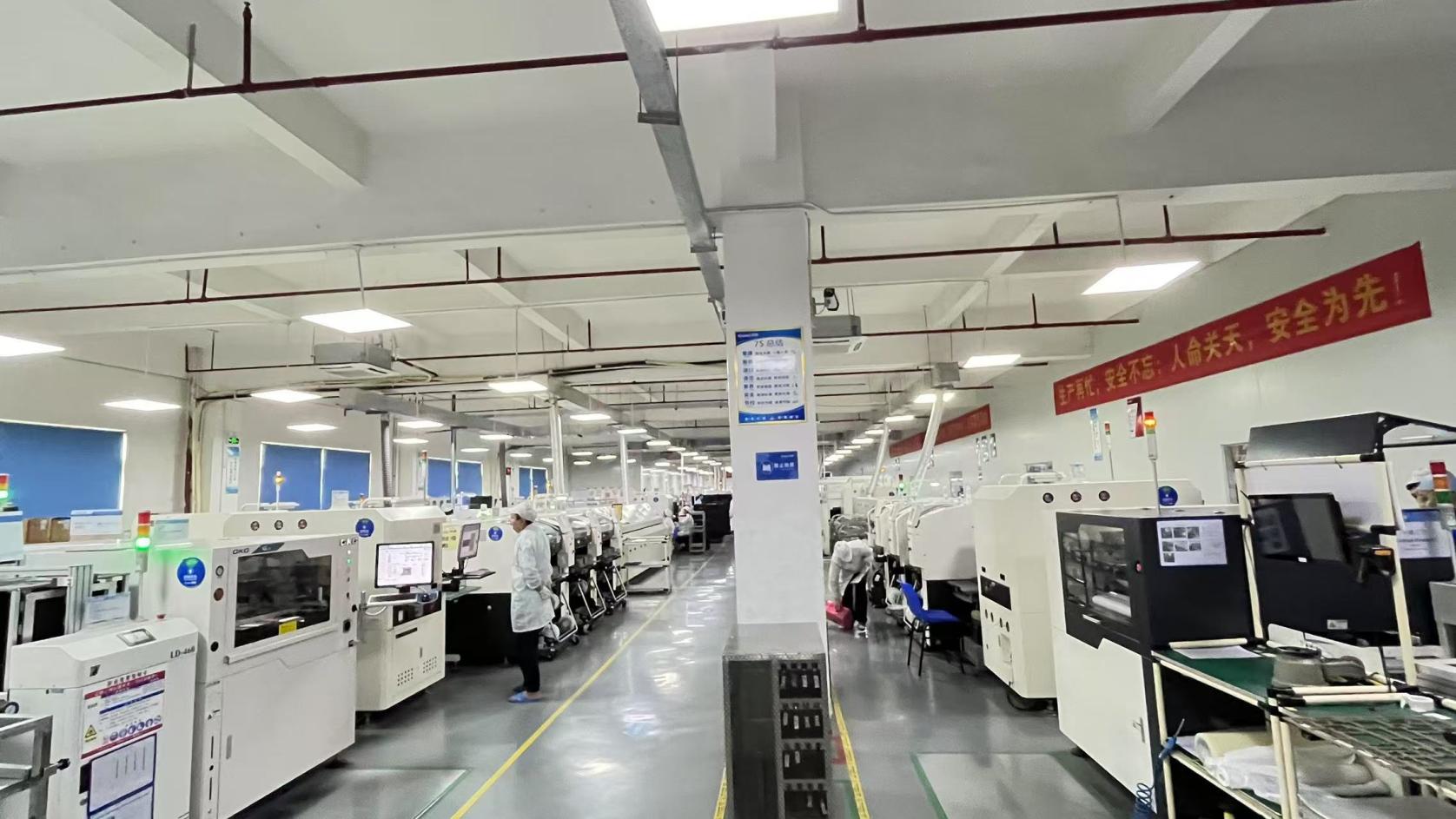
Building VPN architectures on foreign hardware requires verification of global security compliance and localized technical support structures. We prioritize open configuration systems and transparent hardware bills of materials (H-BOM) to facilitate simple security audits.
Our manufacturing processes conform with international standards such as CE, FCC, RoHS, and WEEE. We assist clients in implementing systems compliant with GDPR, HIPAA, and PCI-DSS requirements.
Detailed component logs ensure that no undisclosed chips or firmware patches bypass system audits. Our customers can review the complete architectural design of customized PCB runs.
With strategic hubs spanning key trade lanes, we secure expedited delivery, specialized customs handling, and local technical warranty support for multi-country data center rollouts.
Scale your network capacity, maximize hardware offloading options, and deploy high-performance virtual security nodes using our range of enterprise systems and specialized expansion units.