Borevo
Borevo
Borevo
Direct from China's Advanced Computing Manufacturing Hub. Engineered for Maximum Throughput, Edge Band Management, and High-Density Acceleration.
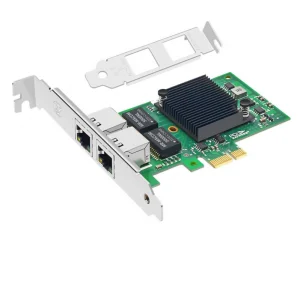
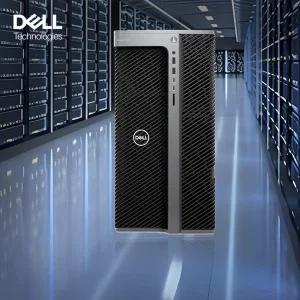
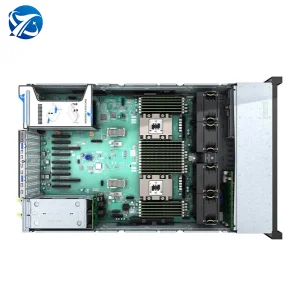
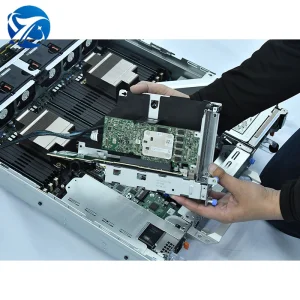
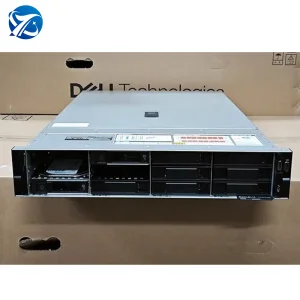
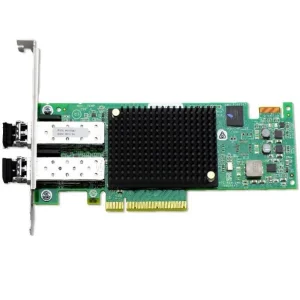
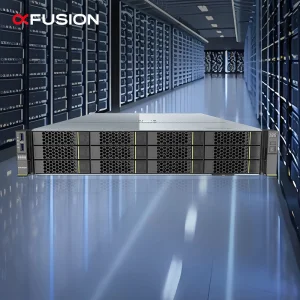
In modern data centers, remote management tools have evolved from basic BIOS interfaces to complex, automated Baseboard Management Controllers (BMC) integrated directly onto physical system architectures.
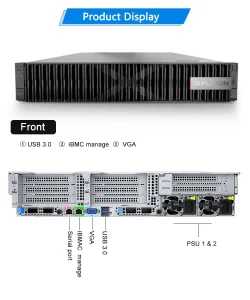
Modern enterprise applications require high uptime, real-time telemetry, and out-of-band (OOB) hardware control. Out-of-band management operates on a separate dedicated network interface card and chip architecture, allowing administrators to configure, reboot, and monitor servers even if the underlying operating system is unresponsive.
As a leading force in AI Infrastructure, Borevo AI Infrastructure (China) Co., Ltd. develops high-density accelerated compute platforms that combine performance with integrated monitoring. Standard protocols such as IPMI (Intelligent Platform Management Interface) and Redfish APIs form the framework of these solutions, providing direct control over system temperatures, fan curves, and voltage regulations.
"True infrastructure resilience relies on the alignment of server hardware controllers with central orchestration APIs. Effective out-of-band control ensures minimal MTBF and maximum availability."
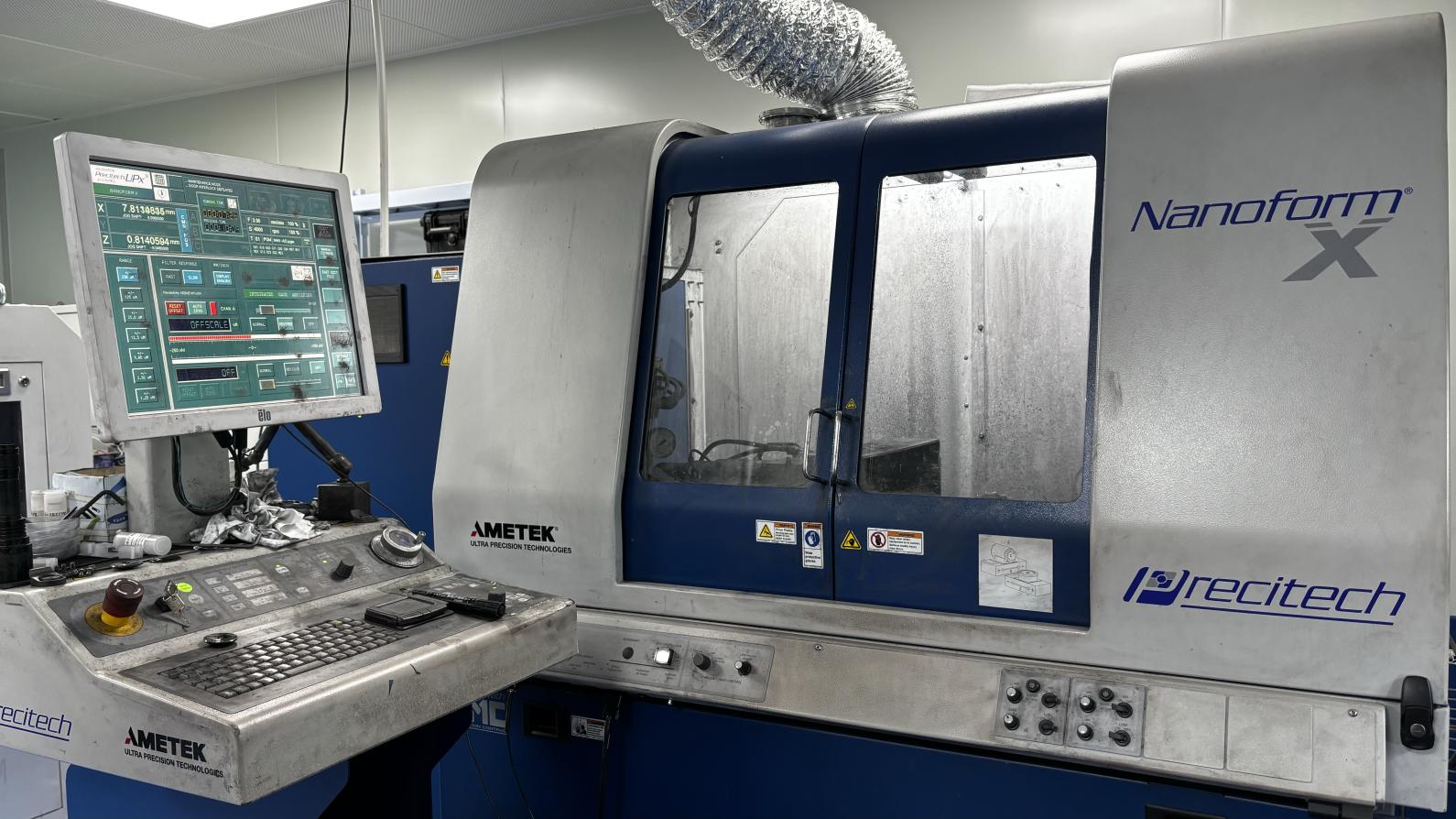
A Specialized AI GPU Manufacturer and Hardware Integrator Dedicated to Delivering Advanced Global Systems.
Borevo AI Infrastructure (China) Co., Ltd. specializes in GPU design integration, AI acceleration systems, and customized hardware management configurations. To meet the demands of global deployments, we provide end-to-end OEM and ODM services, including customized firmware, tailored PCB trace routing, thermal solution optimizations, and memory configuration validation.
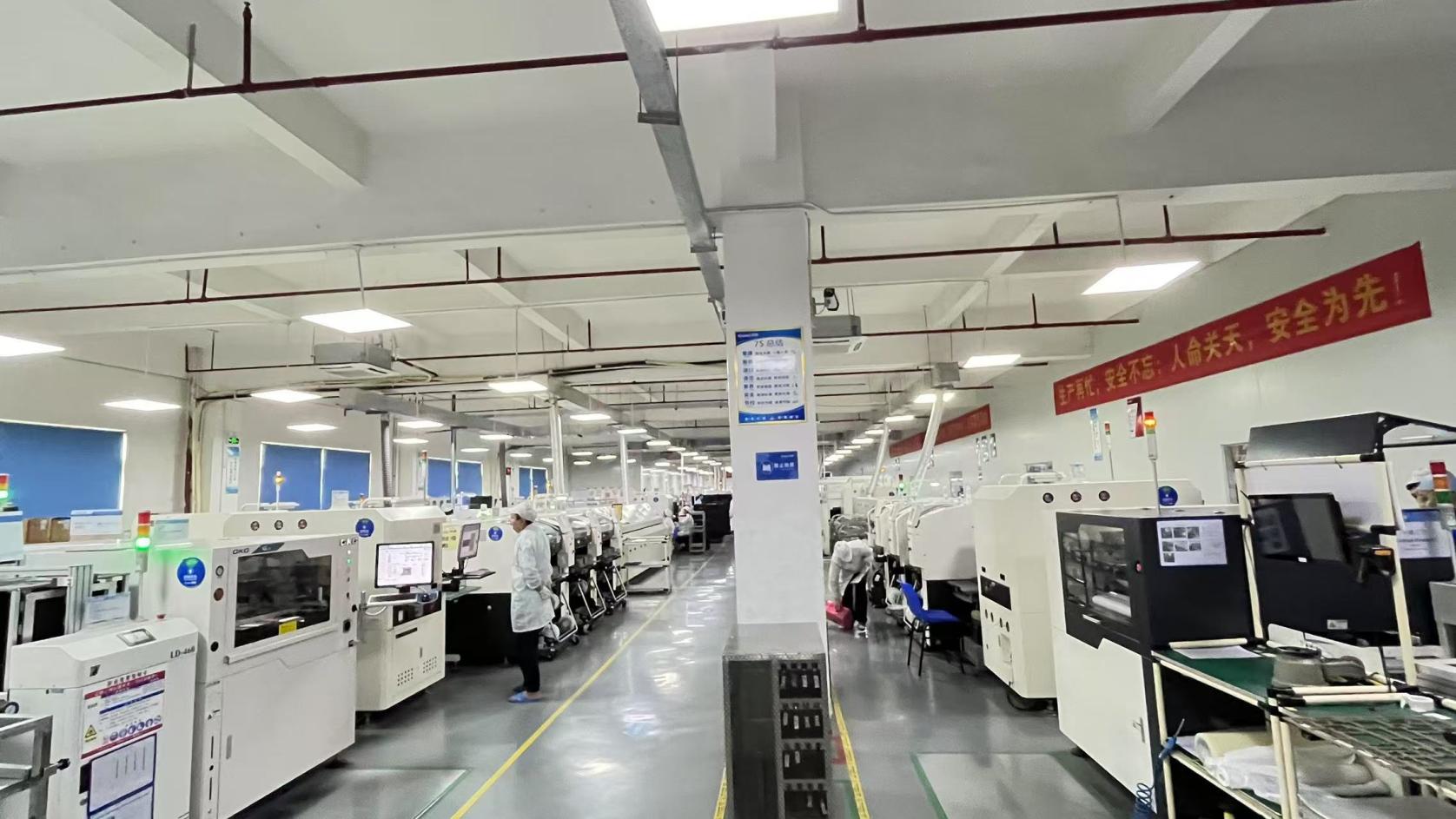
Our quality control protocols verify every subsystem before it leaves the factory. By combining automated optical inspection (AOI), high-temperature burn-in rooms, thermal stress chambers, and physical signaling benchmarks, we ensure our hardware performs reliably in mission-critical environments.
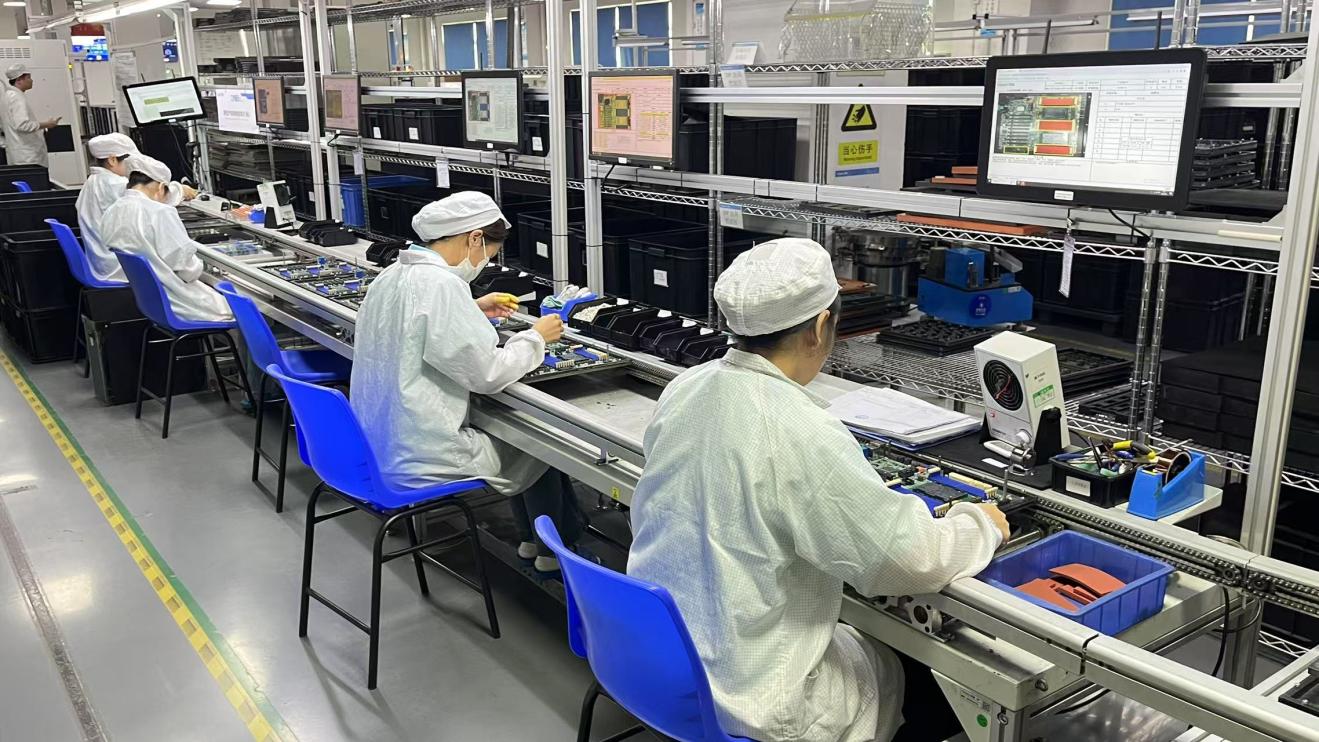
A comprehensive overview of the protocols, components, and controller interfaces that drive modern enterprise infrastructure.
Utilizing OpenBMC and proprietary firmware architectures to support remote KVM redirection, virtual media mapping, and automated event logging, ensuring constant out-of-band management accessibility.
Adhering to the Redfish schema, our server controllers export JSON-formatted telemetry metrics for seamless integration with automation tooling like Ansible, Terraform, and Prometheus.
Real-time node-level dynamic power capping limits overall power draw without interrupting execution processes, optimizing rack density and reducing energy footprints.
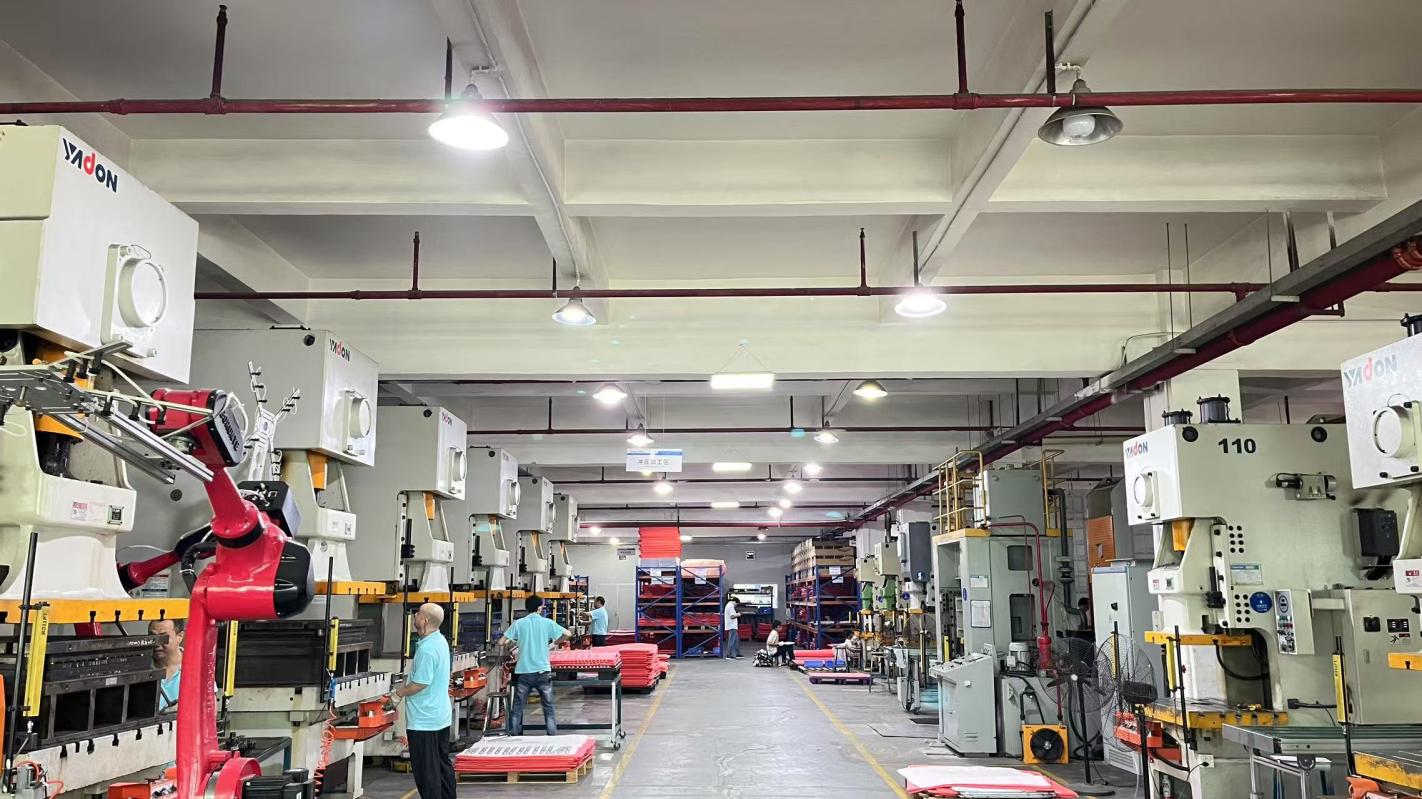
China's manufacturing ecosystem provides strategic advantages for high-performance computing system production, including raw component sourcing, structural sheet metal fabrication, and advanced assembly.
By partnering with 850 strategic collaborators across the semiconductor, high-layer PCB, and precision copper cooling industries, Borevo maintains a steady supply of essential materials. This scale helps protect against global shortages of microcontrollers, passive components, and raw materials.
This integrated supply chain supports fast prototyping and transition to high-volume assembly. For international buyers, this means reduced lead times, predictable shipping windows, and competitive pricing for customized server chassis configurations and management card layouts.
Analyzing how different industries configure remote management tools for low-latency, remote, and large-scale applications.
In wind farms, utility substations, and edge nodes, system administrators use secure out-of-band boot cards like the XP270-M2 to manage systems remotely, minimizing the need for physical on-site intervention.
Large-scale deep learning clusters running platforms like deepseek require continuous hardware monitoring. Our management tools integrate with cooling metrics to dynamically adjust fan configurations based on real-time heat generation.
Banking, financial, and healthcare workloads utilize hardware root-of-trust (RoT) implementations. Custom cryptographic signature verification on BMC firmware ensures compliance with strict regulatory frameworks.
Take a virtual tour inside our 18,600 ㎡ state-of-the-art facilities located in China's technology development zones.
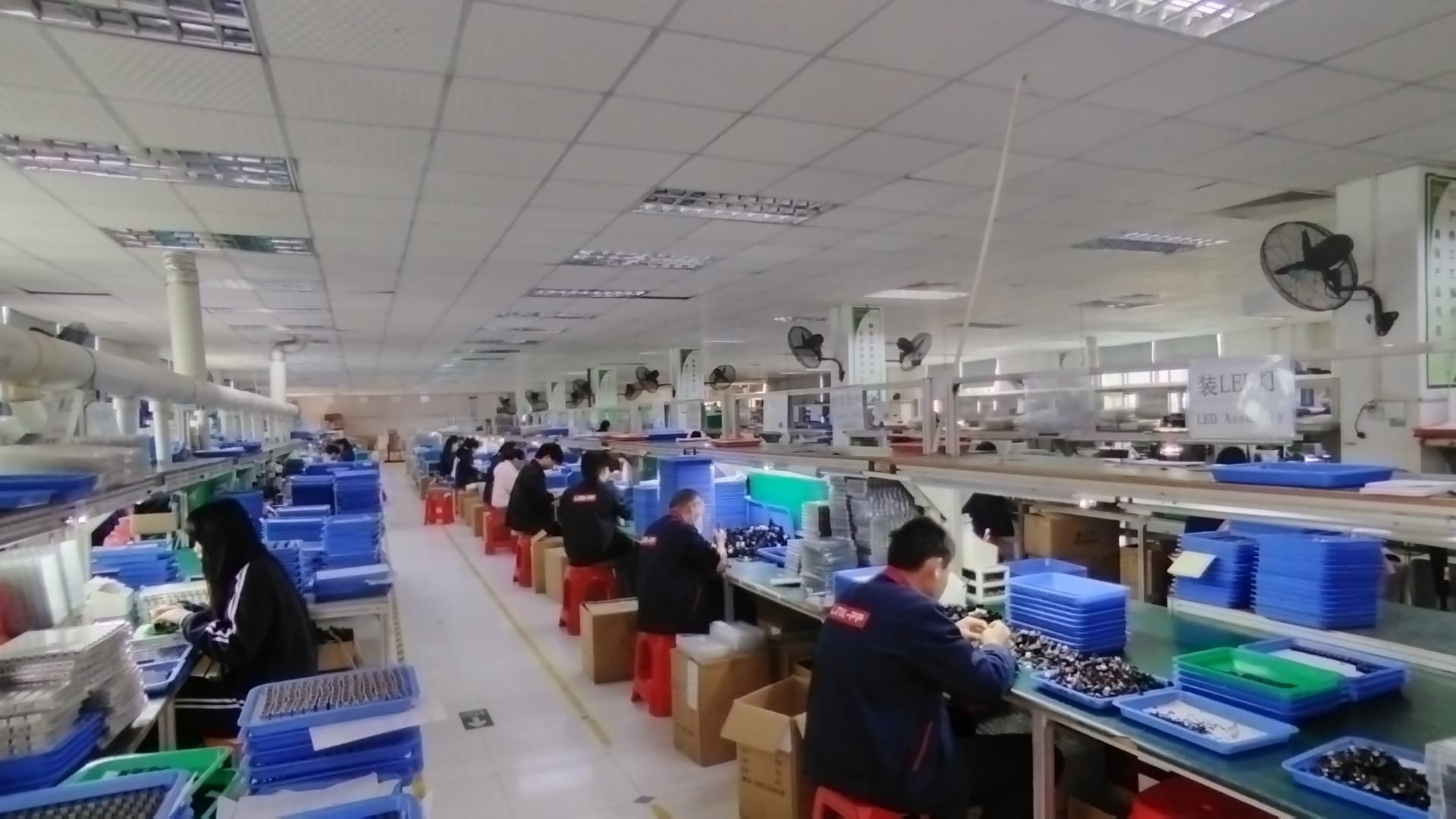
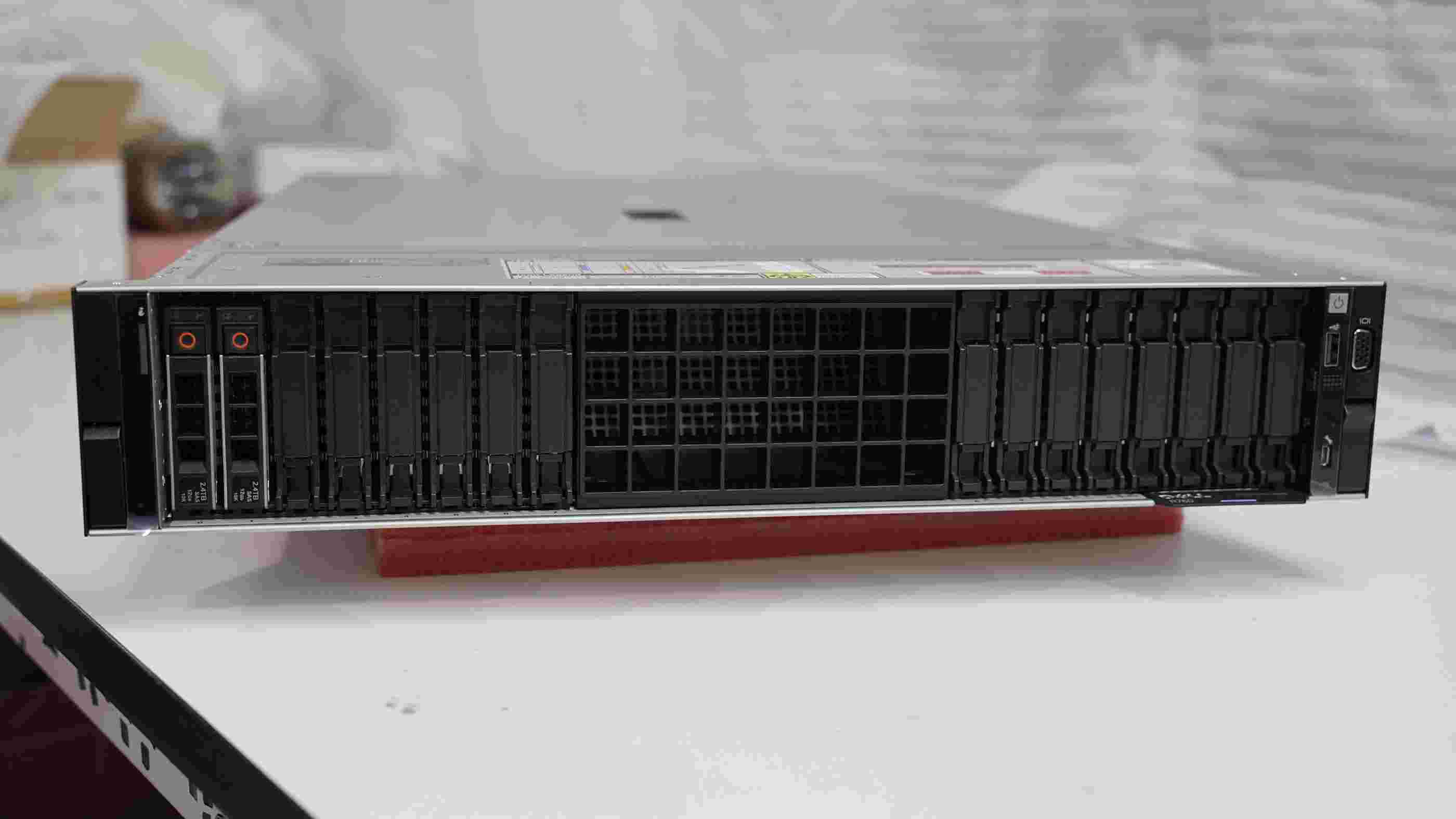
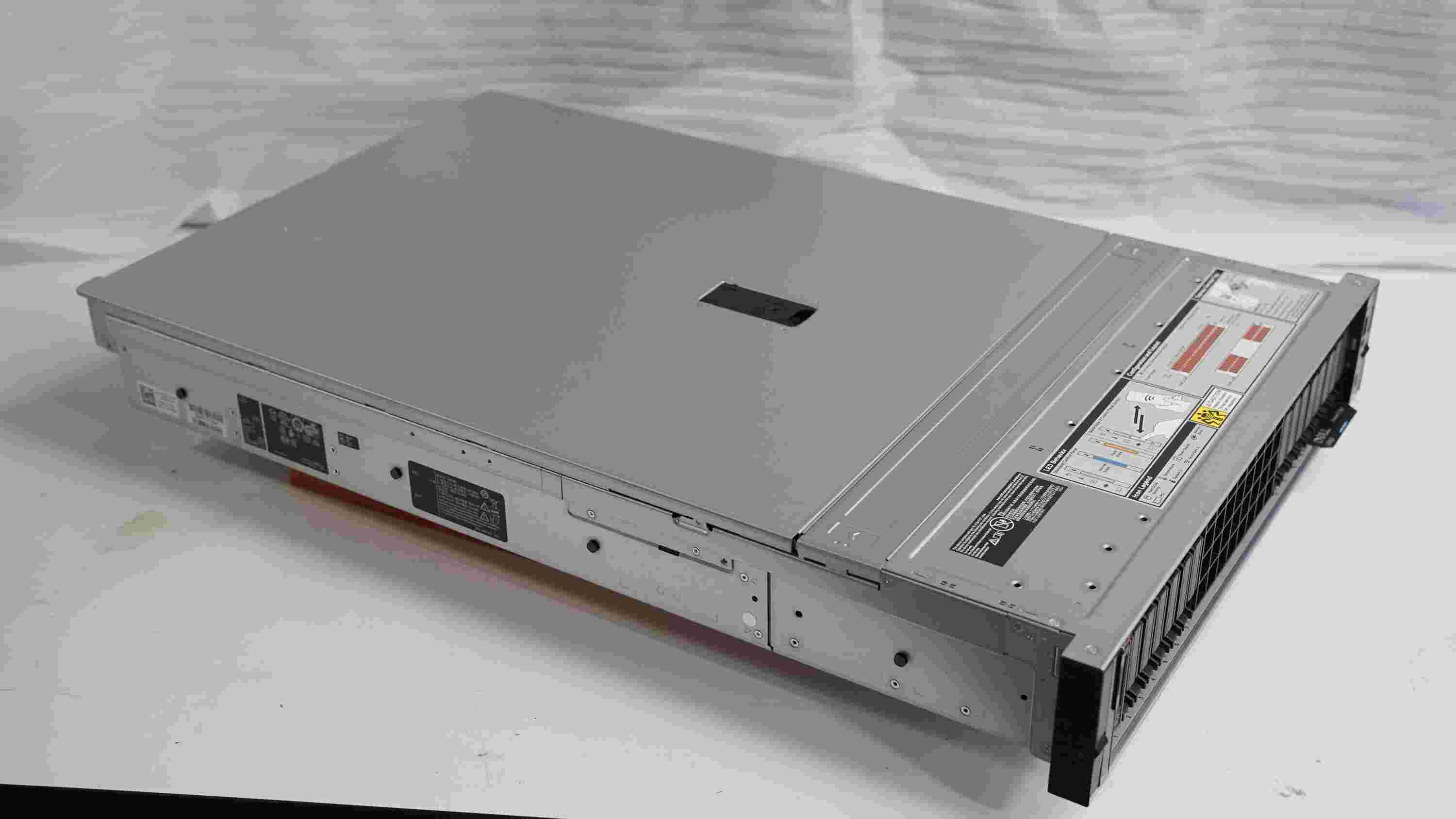
The convergence of high-density AI accelerators and liquid cooling technology requires updates to remote management architectures.
Traditional IPMI systems struggle to keep pace with the complex telemetry of modern multi-GPU nodes. As a result, the industry is transitioning toward unified telemetry streams. Next-generation systems collect real-time data from hundreds of thermal, voltage, and current sensors, streaming it directly to predictive maintenance systems.
Furthermore, security is a key focus area. As remote networks are targeted by increasingly complex security threats, server management tools must implement zero-trust architectures. This includes hardware-enforced cryptographic handshakes and mutual TLS (mTLS) authentication for remote APIs, preventing unauthorized physical-layer controls.
Complete implementation of OpenBMC across all custom GPU systems, replacing legacy closed architectures.
Integration of AI-driven predictive failure prediction using on-board sensor data to identify anomaly signatures before outages occur.
Universal deployment of hardware root-of-trust (RoT) microcontrollers on custom boards, securing firmware boot stages.
Ensuring compliance, reliability, and security across international borders and regulated markets.
Our remote management tools comply with international security frameworks. Firmware updates undergo static code analysis to eliminate security vulnerabilities, aligning with the standards required for HIPAA, GDPR, and PCI-DSS environments.
All system components and hardware management interfaces are certified under international standards including CE, FCC, RoHS, and WEEE, verifying structural safety and electromagnetic compatibility.
Find answers to technical questions about server management tools, customization options, and global support.
Deploy dependable computing infrastructure backed by comprehensive warranties and engineering support.