Borevo
Borevo
Borevo
Browse our premier range of enterprise-grade compute platforms, high-density server configurations, hardware components, and networking matrices engineered for massive data workloads.
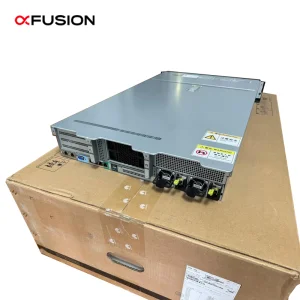
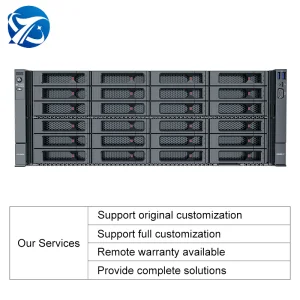
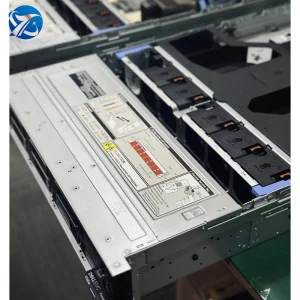
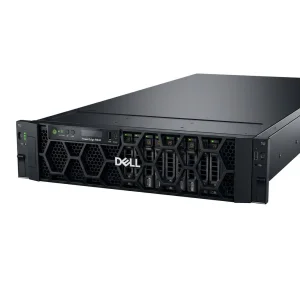
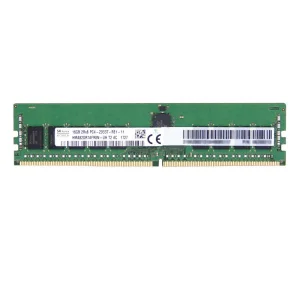
Borevo AI Infrastructure (China) Co., Ltd. is a specialized AI GPU manufacturer dedicated to delivering high-performance computing hardware and advanced AI infrastructure solutions for global markets. The company focuses on GPU design integration, AI acceleration systems, and customized computing solutions for data-intensive applications. Standing at the intersection of micro-architecture design and high-frequency communication protocols, we build the physical pillars supporting the cognitive revolution.
Through collaborative relationships with approximately 850 strategic partners spanning semiconductor foundries, high-frequency PCB fabricators, advanced liquid cooling developers, and memory fabricators, we bridge the gap between architectural concept and deployment-ready physical configurations.
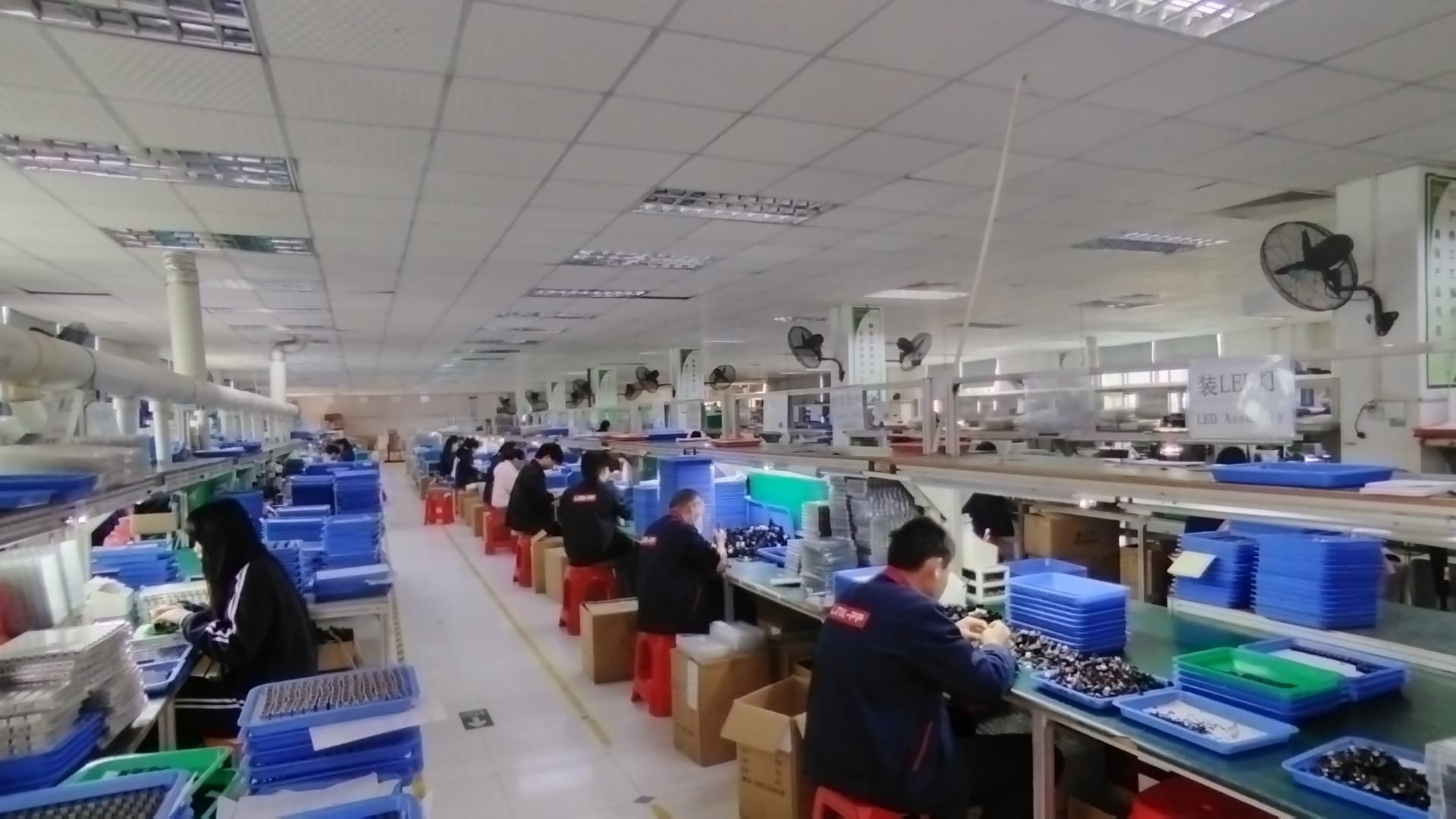
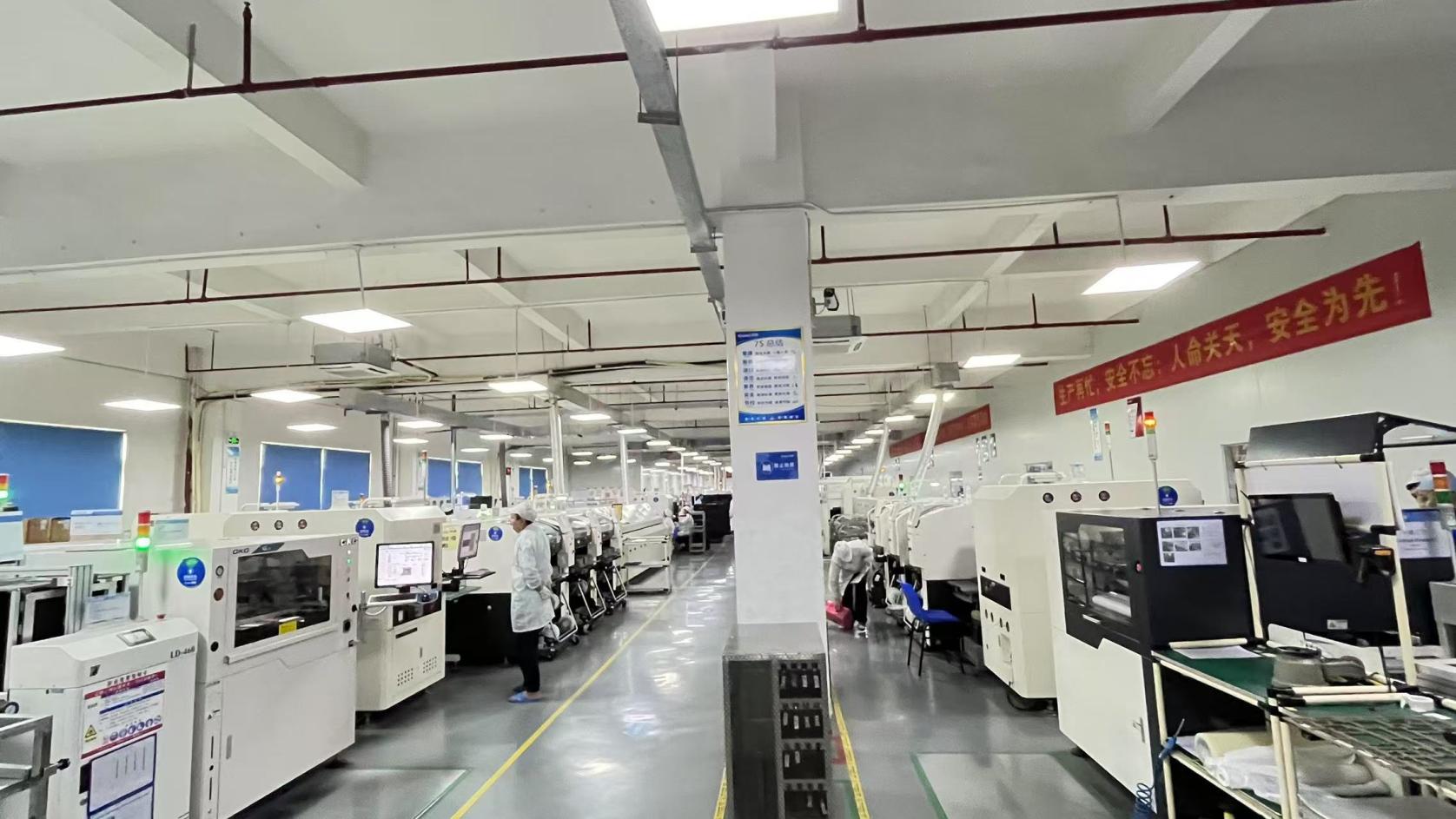
Quality is not an afterthought; it is integrated into the routing of every tracing, the alignment of every solder joint, and the verification of every operational system. Managed by 45 dedicated QC personnel, our system utilizes:
When evaluating global sourcing configurations for networking infrastructure, servers, and computing fabric, China represents more than just a cost-effective manufacturing region. It is a highly optimized industrial ecosystem offering structural, technical, and supply chain advantages that cannot be easily replicated elsewhere.
The proximity of raw material processors, high-layer count PCB fabricators, system assemblers, and firmware optimization houses reduces lead times. Components that might take weeks to source across continents are routed, tested, and integrated within hours in clusters like Shenzhen and the Yangtze River Delta.
Industrial computing demands high levels of structural adaptability. Chinese manufacturing models rely on agile design systems, allowing electrical and thermal engineers to iterate complex structures (such as customized backplanes, thermal heat pipes, and chassis cooling loops) in days rather than months.
Our strength lies in our talent pool. With over 180 engineers dedicated to R&D at Borevo, the engineering capacity ranges from low-level BIOS/firmware customizations to complex simulation runs for air and liquid thermodynamic architectures.
Modern compute environments are defined by high-bandwidth demands, low-latency requirements, and rising heat profiles. As artificial intelligence models scale, data networks must adapt. Our engineering strategy is built around these trends:
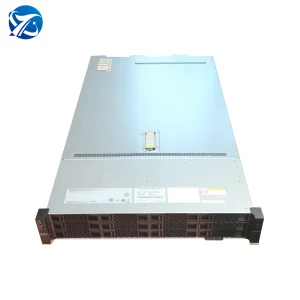
To extract the potential of modern AI accelerators, storage buses and interface protocols must expand. PCIe Gen 5 delivers twice the bandwidth of Gen 4, and Gen 6 doubles it again. Our server lines, from the 2288H V6 to the high-density G5500 V7 platforms, are engineered with signal integrity layers that support these high frequencies without signal degradation.
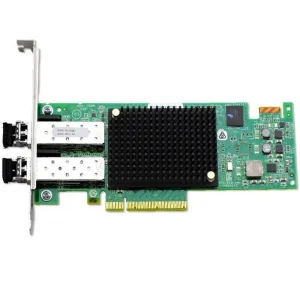
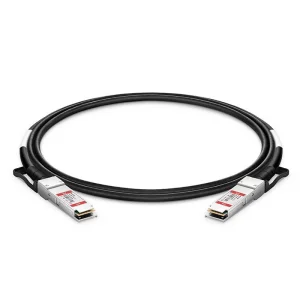
Traditional copper connections hit thermal and physical limitations over extended lengths. Integrating silicon photonics and co-packaged optical modules directly into server backplanes reduces latency and power consumption. High-speed Direct-Attach Cables (DAC) and SFP28/QSFP+ components form the connection fabric of our solutions.
As system densities climb, power usage effectiveness (PUE) requirements restrict traditional fan-cooled architectures. Modern data centers require server layouts built for liquid cooling, featuring copper cooling blocks, low-impedance coolant connectors, and leak-detection circuits. This design increases the lifespan of chips and reduces power overheads.
Modern applications process data closer to the source to avoid latency. Short-depth chassis and ruggedized enclosure formats allow edge deployments in environments ranging from factory floors to localized telecommunications towers. Features like our specialized SAS3808 boot configurations support these decentralized topologies.
Connecting raw processing power to field-level applications. Below are the macro-scale solutions where Borevo hardware acts as the computational engine.
Deploying large language models (LLMs) requires massive GPU clustering. Our multi-GPU rack architectures support dense inter-GPU communications via high-speed network switches. We configure hardware to meet the thermal and electrical requirements of hyperscale cloud providers, maintaining stable operation under continuous compute loads.
For institutions balancing on-premise security with public cloud flexibility, our virtualization-optimized servers provide a balanced hardware platform. These systems are configured with high-speed memory arrays and RAID controller configurations to support reliable database operations and secure compute partitions.
Modern production lines generate large volumes of telemetry data. Our short-depth and ruggedized server options are built for decentralized edge nodes. They are engineered to tolerate vibration, dust, and temperature variations while running local analytics models on the factory floor.
Global sourcing agents and data center procurement managers must balance component specifications with international standards, shipping timelines, and software integration requirements. At Borevo, we address these challenges through structured engineering processes and global logistics support.
When sourcing network infrastructure and server platforms, verify these critical performance parameters:
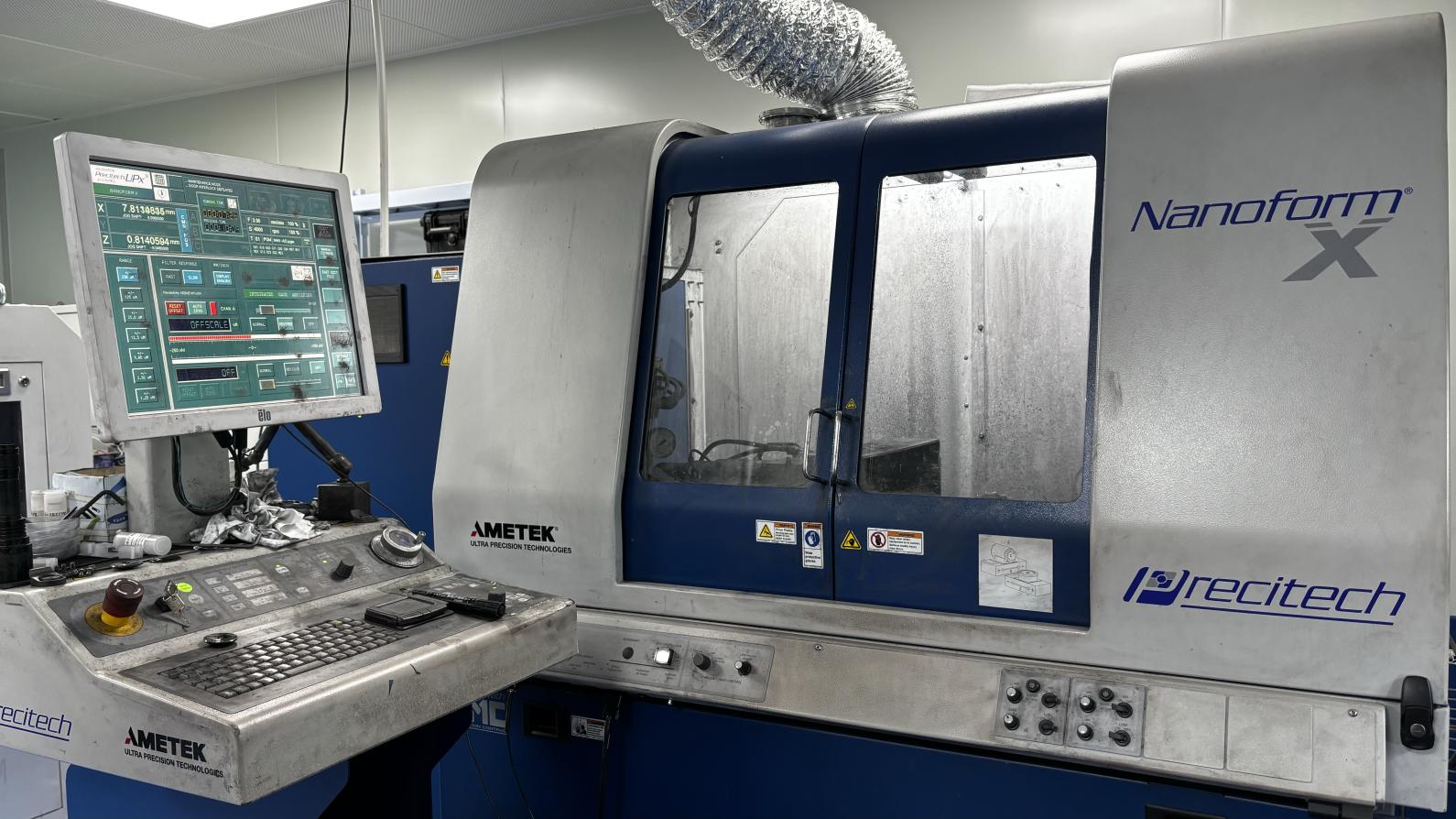
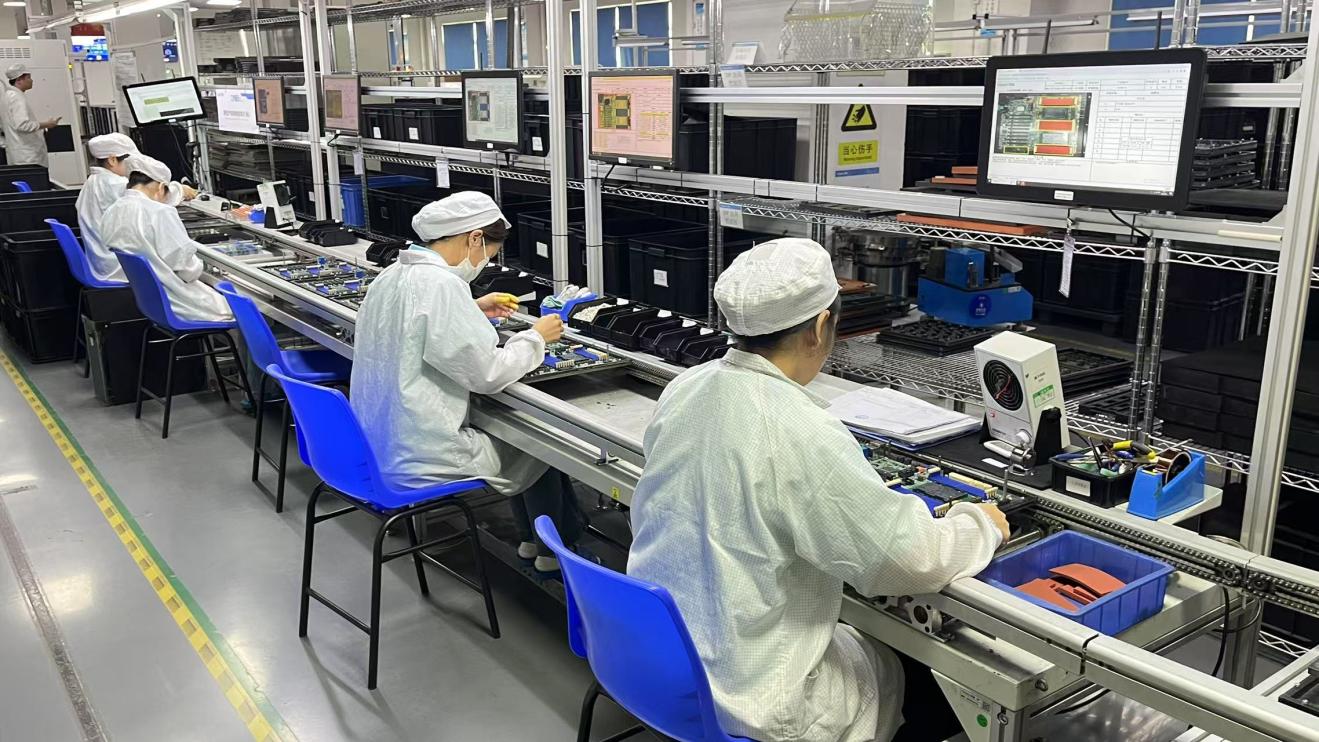
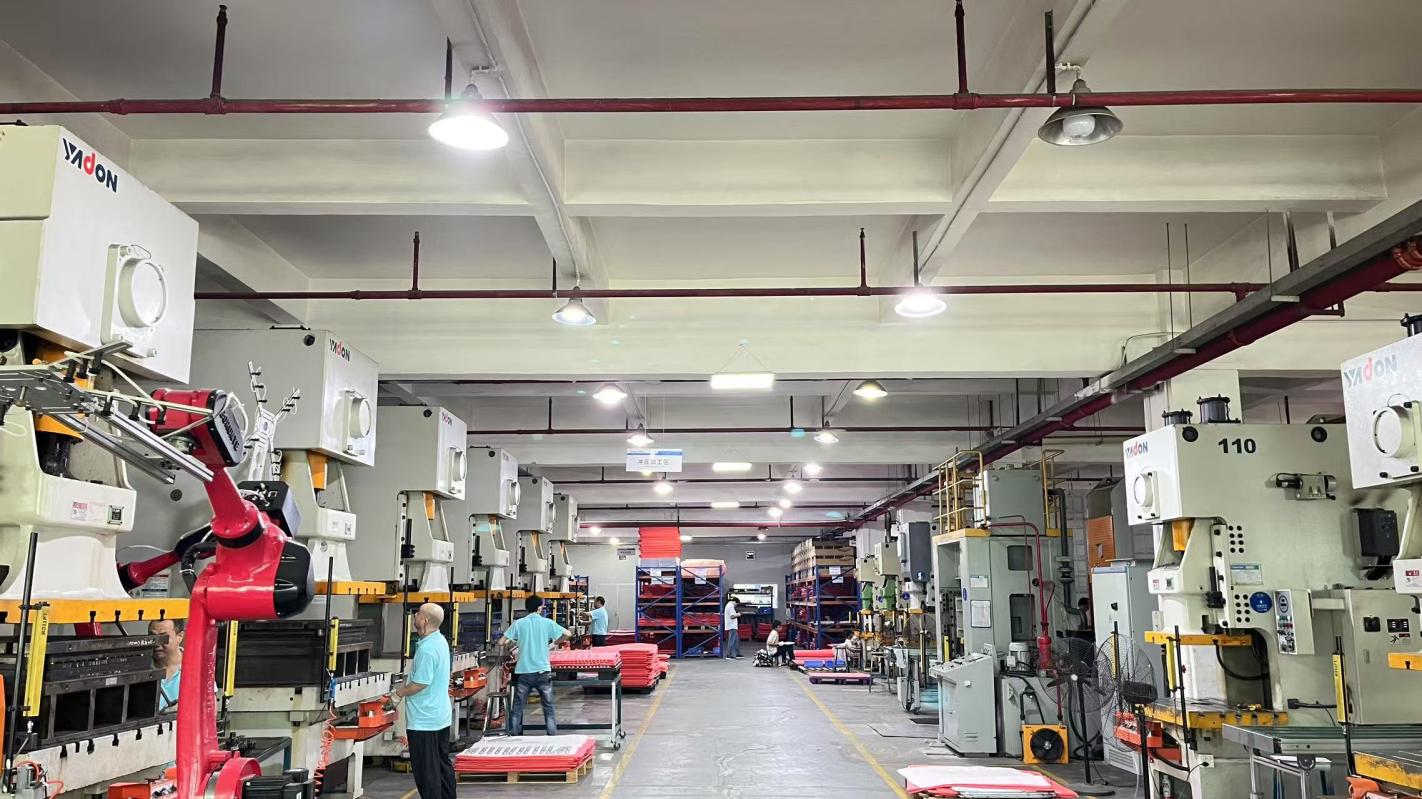
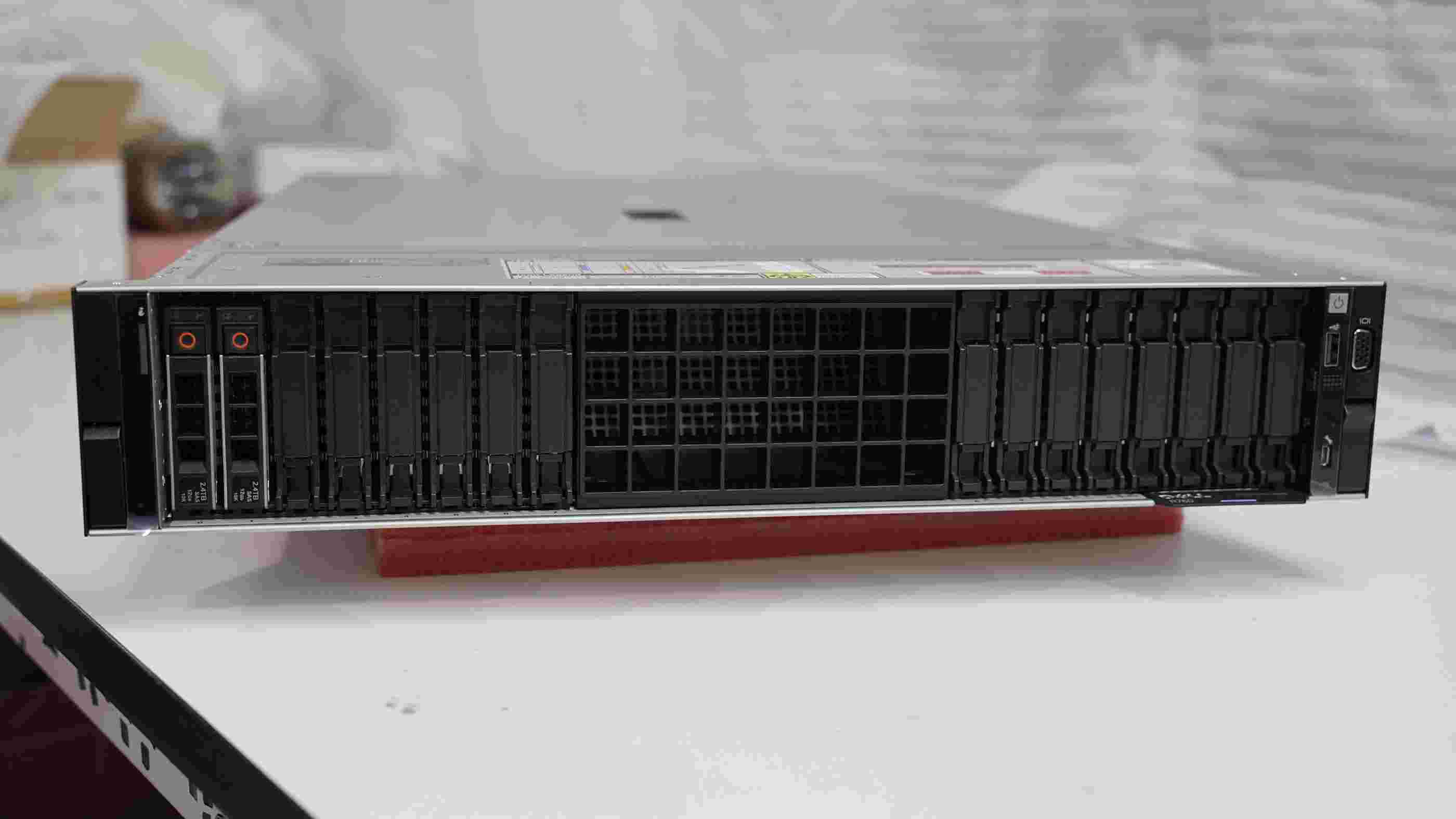
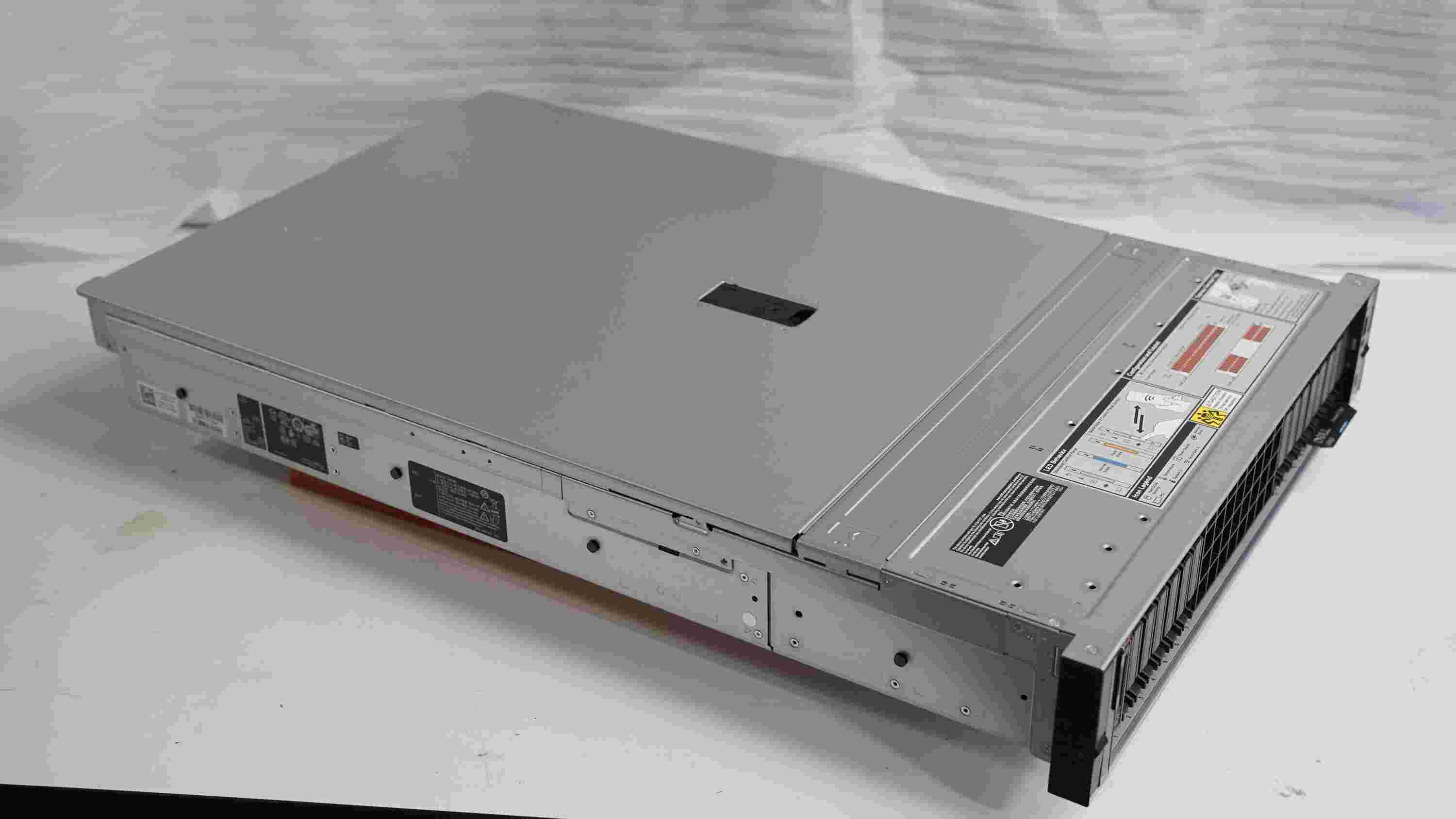
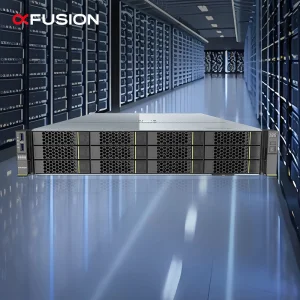
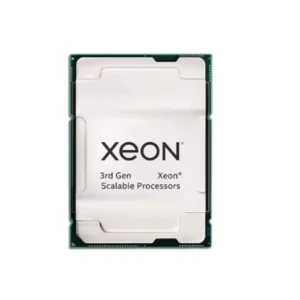
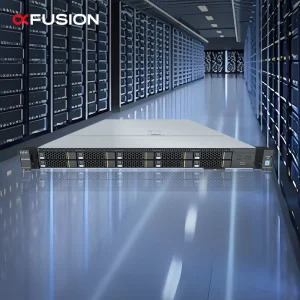
Explore our range of servers, interface adapters, processors, and network accessories engineered to support modern data center deployments.
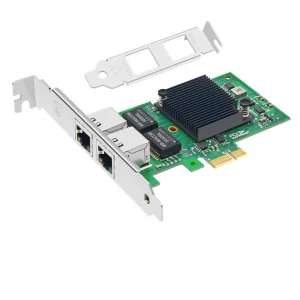
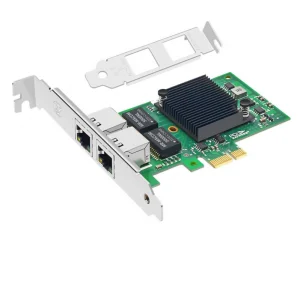
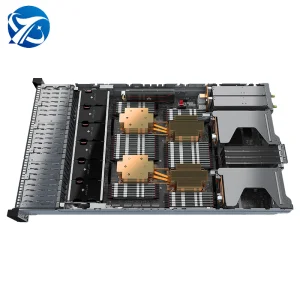
Common technical, supply-chain, and compliance questions answered by our system engineering team.
Our engineering process uses low-loss dielectric laminates, such as Megtron 6 or Megtron 7, to manage high-frequency signals. We perform 3D electromagnetic simulations to optimize trace routing, via designs, and connector interfaces, reducing signal loss and crosstalk to support PCIe Gen 5/6 standards.
Yes. Our R&D team can customize BIOS and BMC firmware to support standard Redfish APIs and IPMI configurations. This enables our servers to integrate into existing data center orchestration, monitoring, and remote management tools.
Every unit undergoes automated optical inspection (AOI) for circuit board integrity, followed by component-level diagnostics. Assembled servers undergo full-system burn-in testing under heat loads for 24 to 72 hours, alongside thermal-stress cycling, mechanical vibration tests, and final electrical performance validation to meet international quality standards.
Standard OEM production runs typically require 4 to 6 weeks from layout finalization to delivery-ready packaging, depending on component availability. For standard configurations, we maintain a rolling inventory of sub-assemblies to support shorter lead times for volume orders.