Borevo
Borevo
Borevo
Engineered for mission-critical compute tasks, extreme data throughput, and complex neural processing workloads.
In today's global enterprise landscape, data is the defining asset of economic and operational supremacy. High-capacity enterprise systems such as Dell PowerEdge architectures, combined with advanced storage fabrics (NAS/SAN), have transitioned from traditional cold archive repositories to highly responsive computational hubs. In particular, the explosion of large language models like DeepSeek, LLaMA, and complex generative AI frameworks has driven massive hardware shifts toward ultra-low latency, scalable flash arrays, and highly reliable high-speed controllers.
Modern corporate networks cannot function with fragmented pipelines. Global industries require direct PCIe Gen 4.0/5.0 interconnectivity, native NVMe caching, and massive scale-out potential. Organizations globally are deploying hyper-converged architectures to unify storage arrays, RAID topologies, and multi-socket CPU clusters, ensuring zero bottlenecking during deep learning workflows and massive real-time business operations.
Why Borevo AI Infrastructure represents the apex of localized hardware optimization and cost-effective scaling.
Over 850 strategic partners globally linked into our Shenzhen hub, securing access to critical PCBs, high-performance power units, customized copper chassis, and leading-edge flash modules.
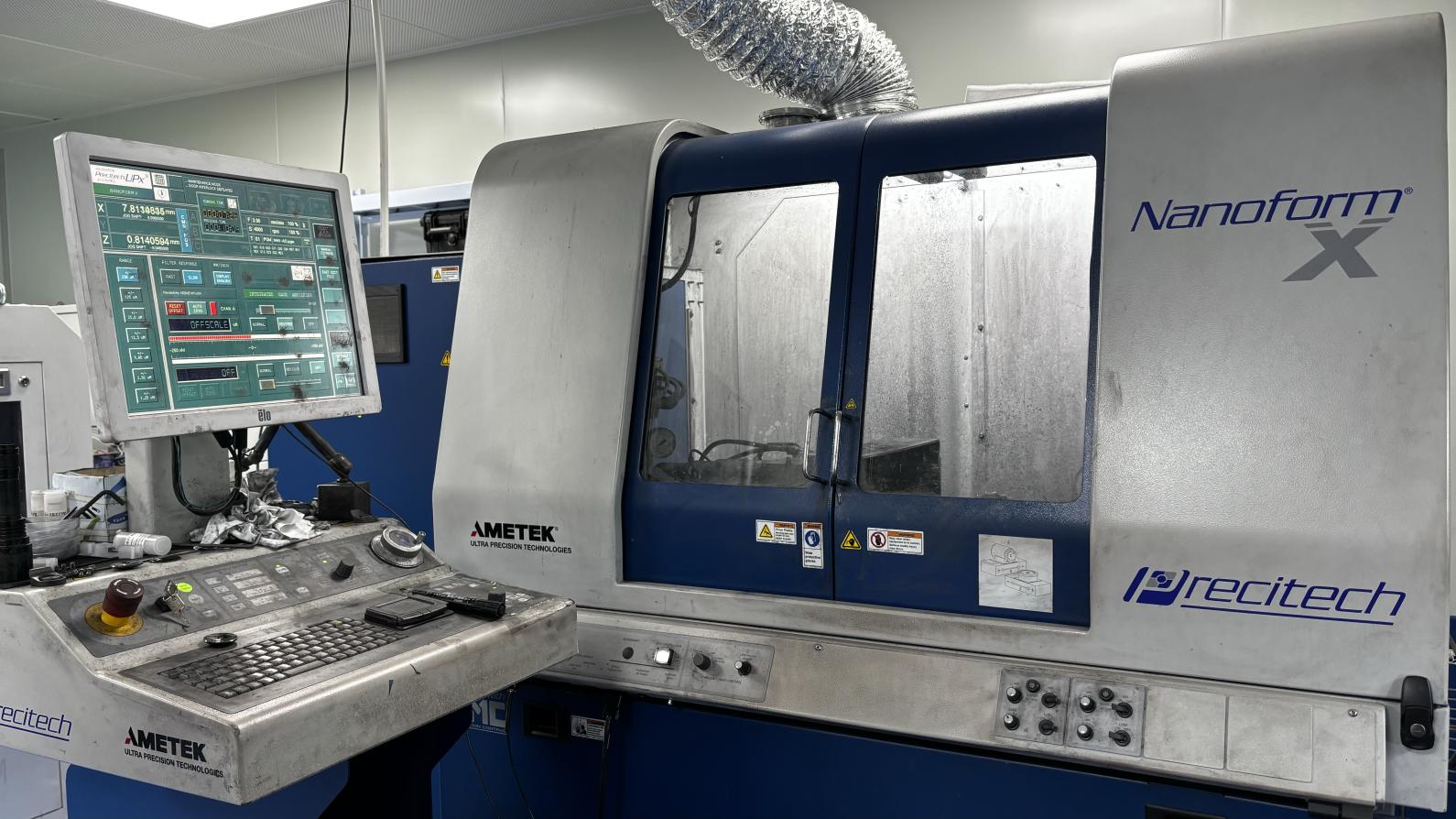
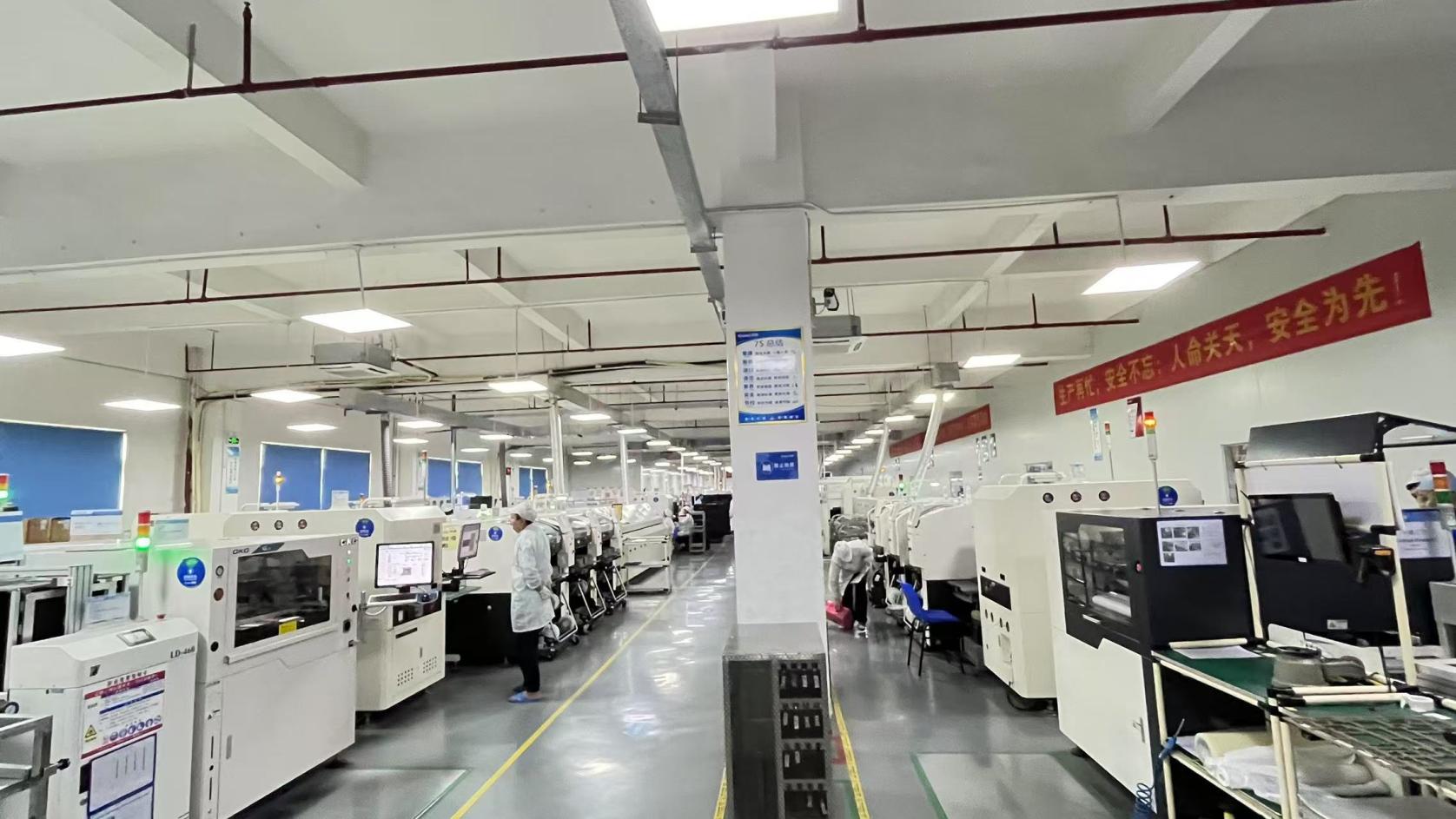
Our 45-person QC engineering department monitors production via advanced automated optical inspection (AOI), high-temperature thermal stress cycles, and complete subsystem electrical validation.
180 dedicated R&D engineers capable of customizing system firmware, structural heatsink tuning, memory parameters, and PCI-Express mapping to maximize custom system integration.
Providing optimal layout configurations for compute, storage, and networking layers.
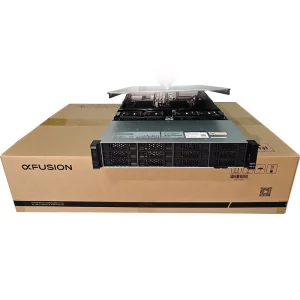
Integrating multi-GPU processing systems with optimized storage pools. Utilizing platforms like FusionServer G5500 V6 and high-performance NVMe caching schemes, enterprises can run hyper-parameter training scripts and distribute DeepSeek inference models without experiencing I/O bottlenecks.
By deploying dedicated SAS/SATA high-caching RAID setups, training clusters receive uninterrupted access to sequential and random reading flows, avoiding host processing halts and maintaining optimal GPU utilization.
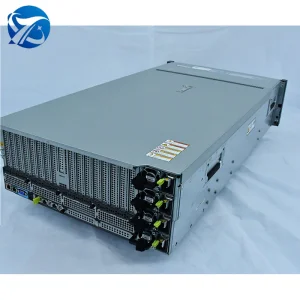
Deploying heavy business databases demands high system reliability and multi-socket redundancy. Hardware architectures such as the 2488H V5 4-Socket system are designed to support heavy enterprise resource planning (ERP) systems.
When coupled with array controllers like the LSI 9560-16I 8GB RAID Card, databases can maintain robust operations under massive transaction volumes, while protecting critical transactions against electrical dropouts.
Enterprise infrastructure is undergoing a significant transition toward energy-efficient cooling systems, NVMe-over-Fabrics (NVMe-oF), and predictive management layers. As thermal requirements escalate with high-density GPU accelerators, traditional air cooling is being replaced by hybrid and liquid-assisted cooling loops.
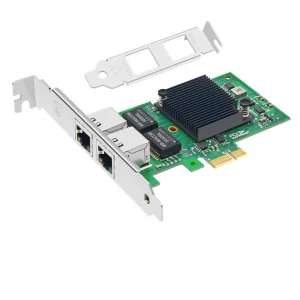
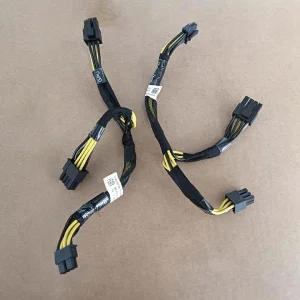
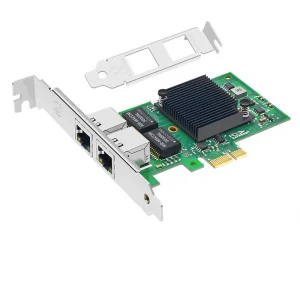
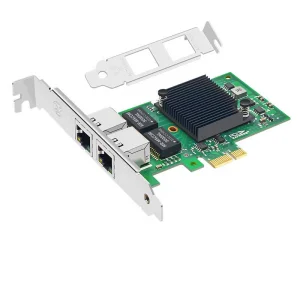
Simultaneously, the transition to PCIe 5.0 and upcoming PCIe 6.0 interfaces demands high-integrity transmission cables and array adapters. Components such as the TR5TP GPU Power Cable and specialized array cards prevent signal degradation, ensuring stable power delivery and long-term durability.
Integrating intelligent power scheduling, reducing power consumption during idle cycles, and improving overall cooling efficiency.
Expanding NVMe storage arrays to eliminate SAS/SATA bottlenecks for highly latency-sensitive tasks.
Employing AI monitoring agents to flag potential hardware warnings before failures occur.
Deploying modular components to enable seamless upgrades without requiring complete chassis replacement.
Key technical parameters for global sourcing managers evaluating hardware options.
Assess whether the system requires dedicated cache protection. Advanced workloads often need controllers with battery-backed cache, like the XC470C-M-8i with 4GB cache, to ensure data integrity during sudden power interruptions.
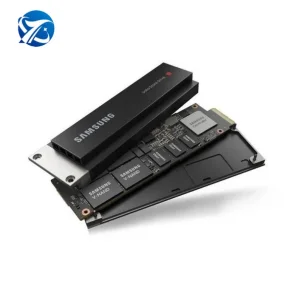
Specify SSD storage options that align with workload demands. Read-intensive configurations are well-suited for static web delivery, whereas write-heavy workflows require enterprise-grade SSDs like the Samsung PM893/PM9A3 series to resist cellular degradation.
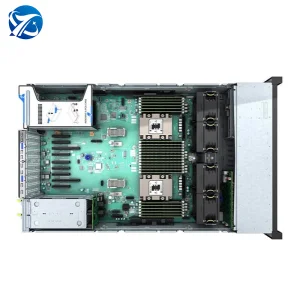
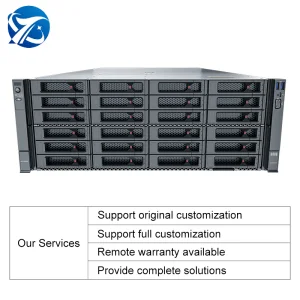
Confirm the server chassis architecture (1U, 2U, or 4U) supports the required power delivery and thermal dynamics. Heterogeneous computing systems must feature robust PCIe lanes and power routing to support multiple GPU accelerators.
Expert technical answers addressing common inquiries in enterprise server deployments.
Array controllers with built-in cache memory act as intermediary buffers for write operations. Instead of writing directly to slower disk arrays, host writes are stored in fast cache, and the write completion signal is returned immediately. This configuration improves overall IOPS, especially in random write scenarios. Selecting controllers with battery-backed cache ensures that data remains safe in the buffer even during power failures.
Samsung enterprise SSDs are designed with advanced NAND flash memory to support continuous, high-write operations. They feature high Mean Time Between Failures (MTBF) and power-loss protection (PLP) circuitry. Additionally, they provide consistent, low-latency performance under heavy query loads, preventing data queue congestion in demanding ERP environments.
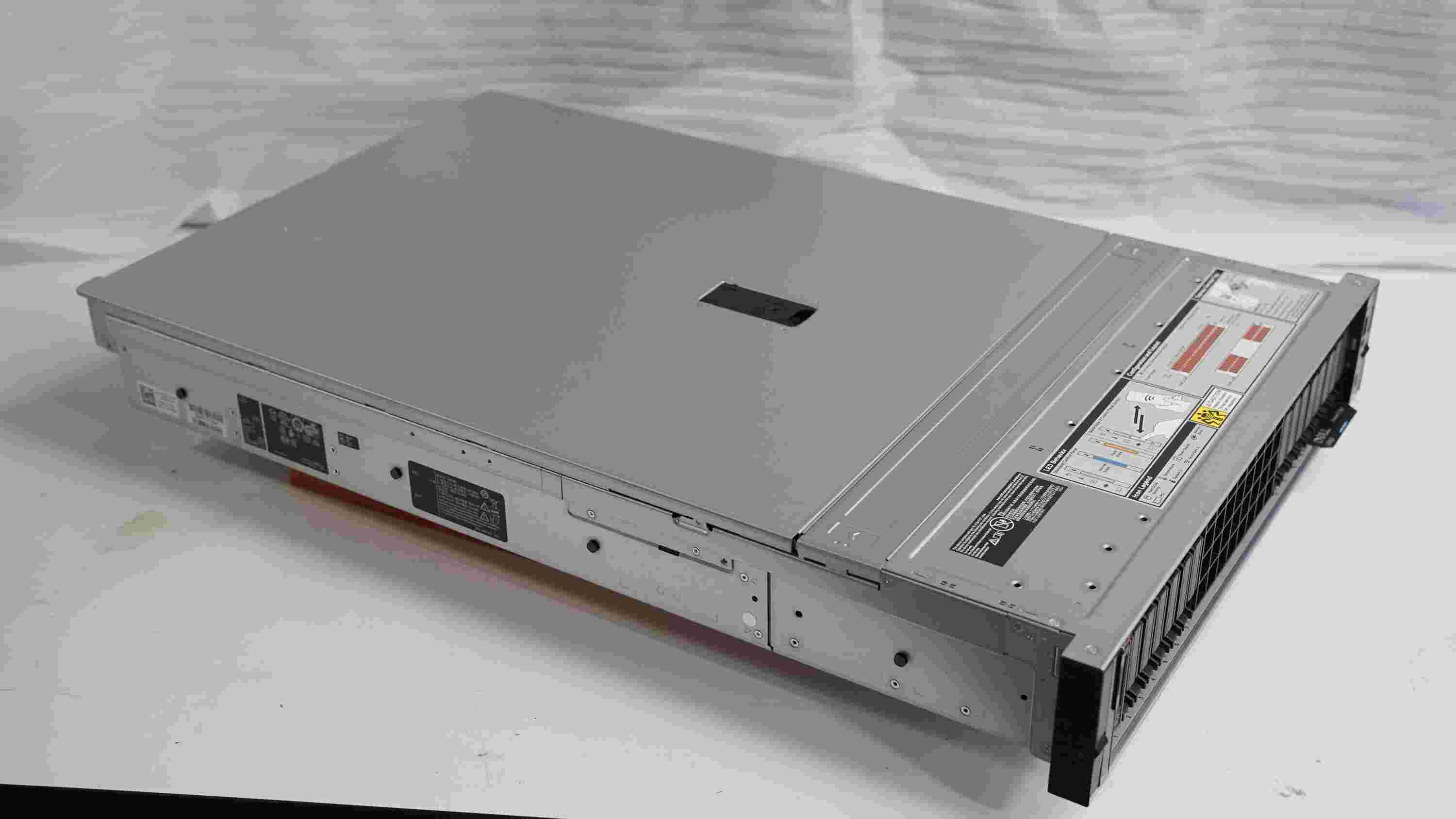
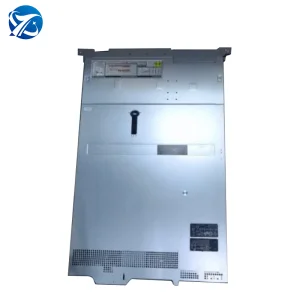
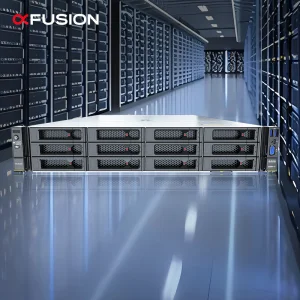
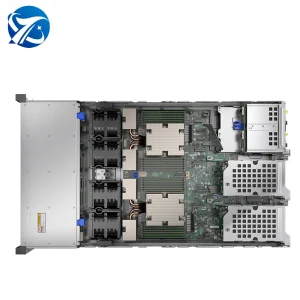
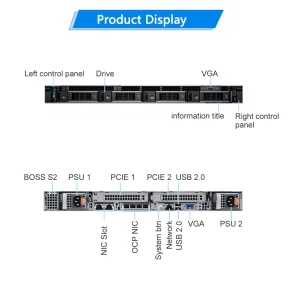
1U systems, like the PowerEdge R650xs, offer high density and are ideal for compute-intensive virtualization and standard cloud node configurations. However, 2U configurations, such as the FusionServer 2288H V6, provide the physical space and airflow required for large GPU accelerators and multiple storage drives, making them the preferred choice for AI inference and training.
Borevo’s engineering team can customize BIOS settings, RAID parameters, and fan speed curves to optimize cooling efficiency and performance. We also perform hardware compatibility testing to ensure customized server configurations integrate smoothly into our customers' existing data center environments.
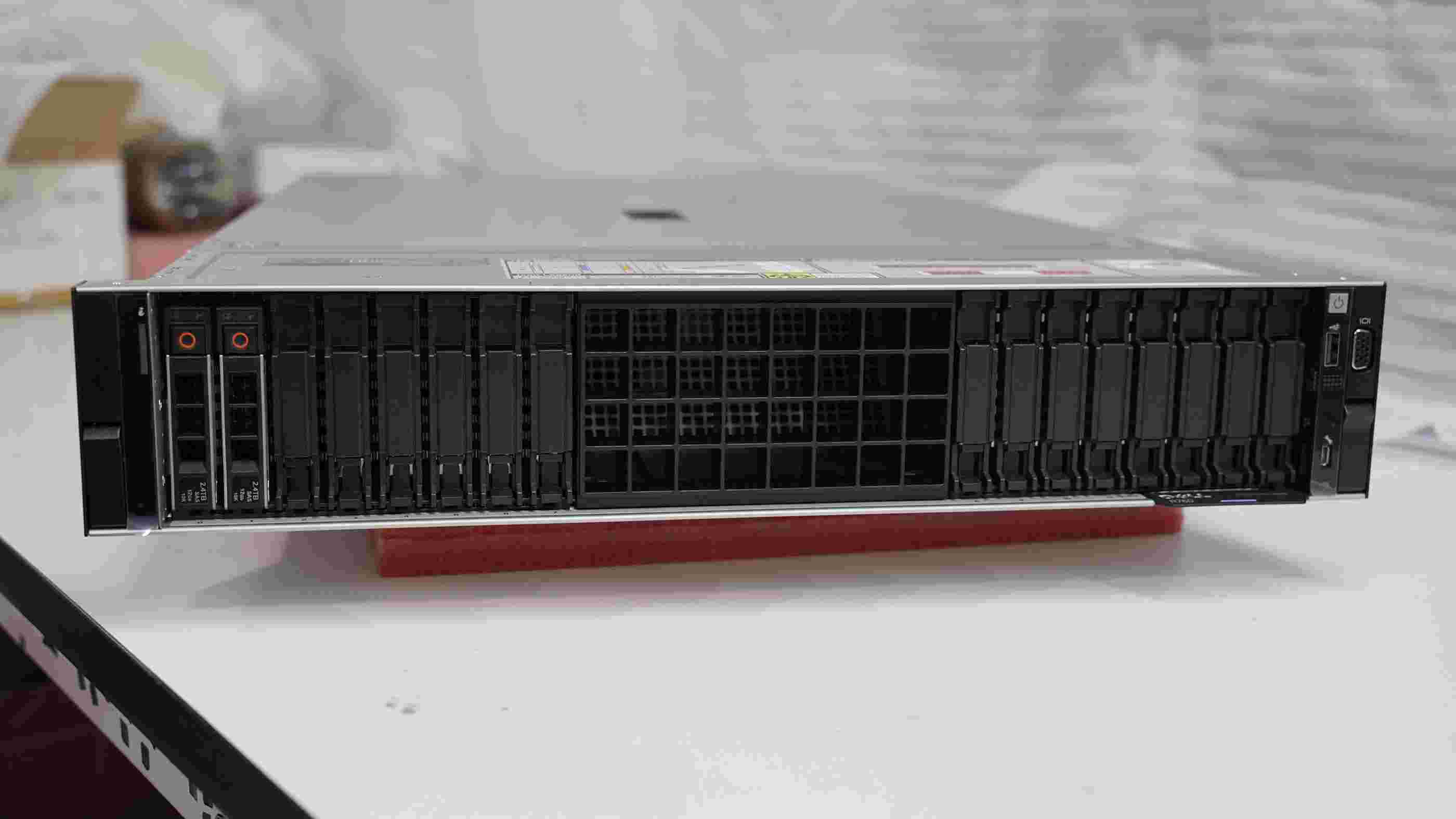
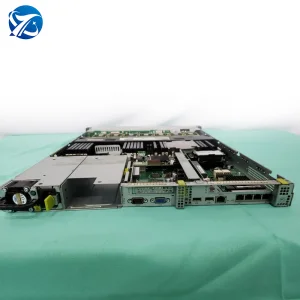
High-density computing servers and components designed to support modern virtualization and AI workloads.
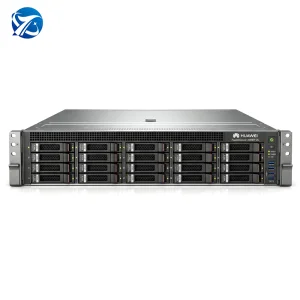
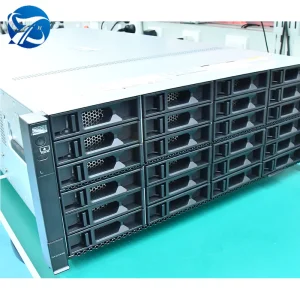
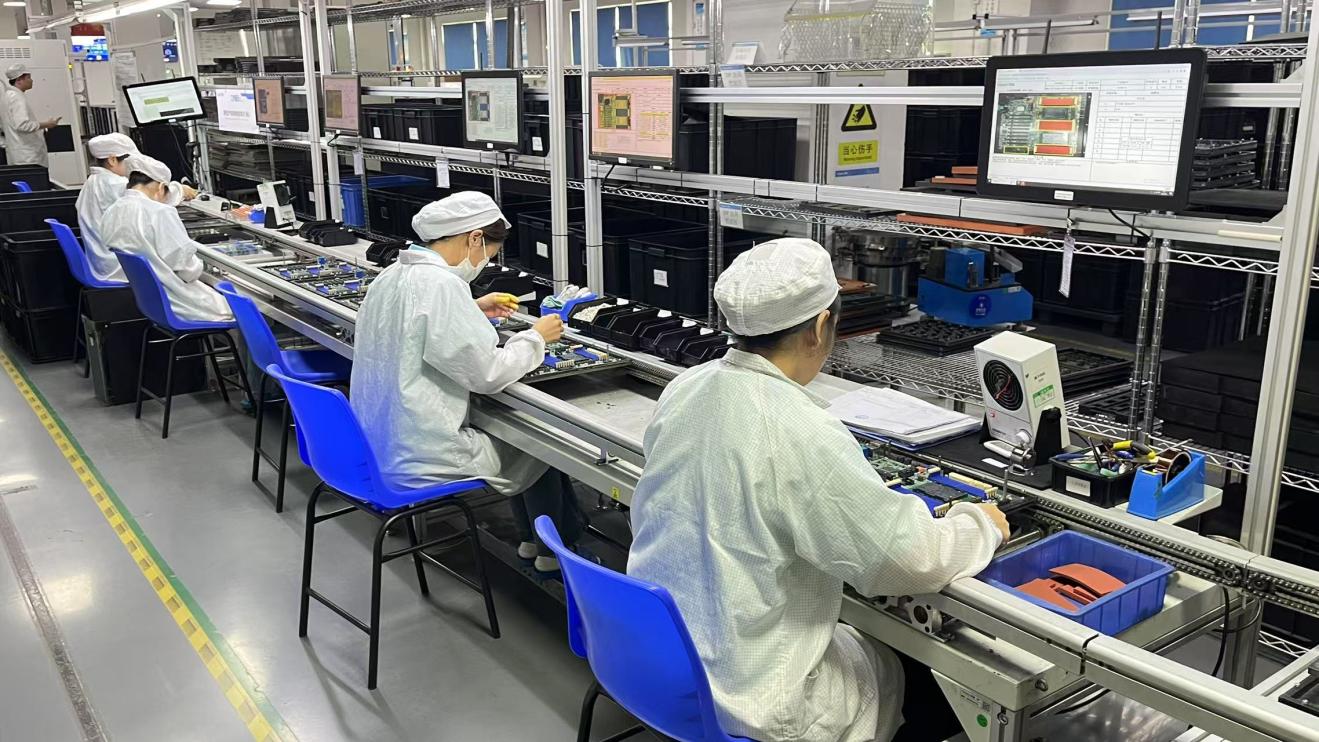
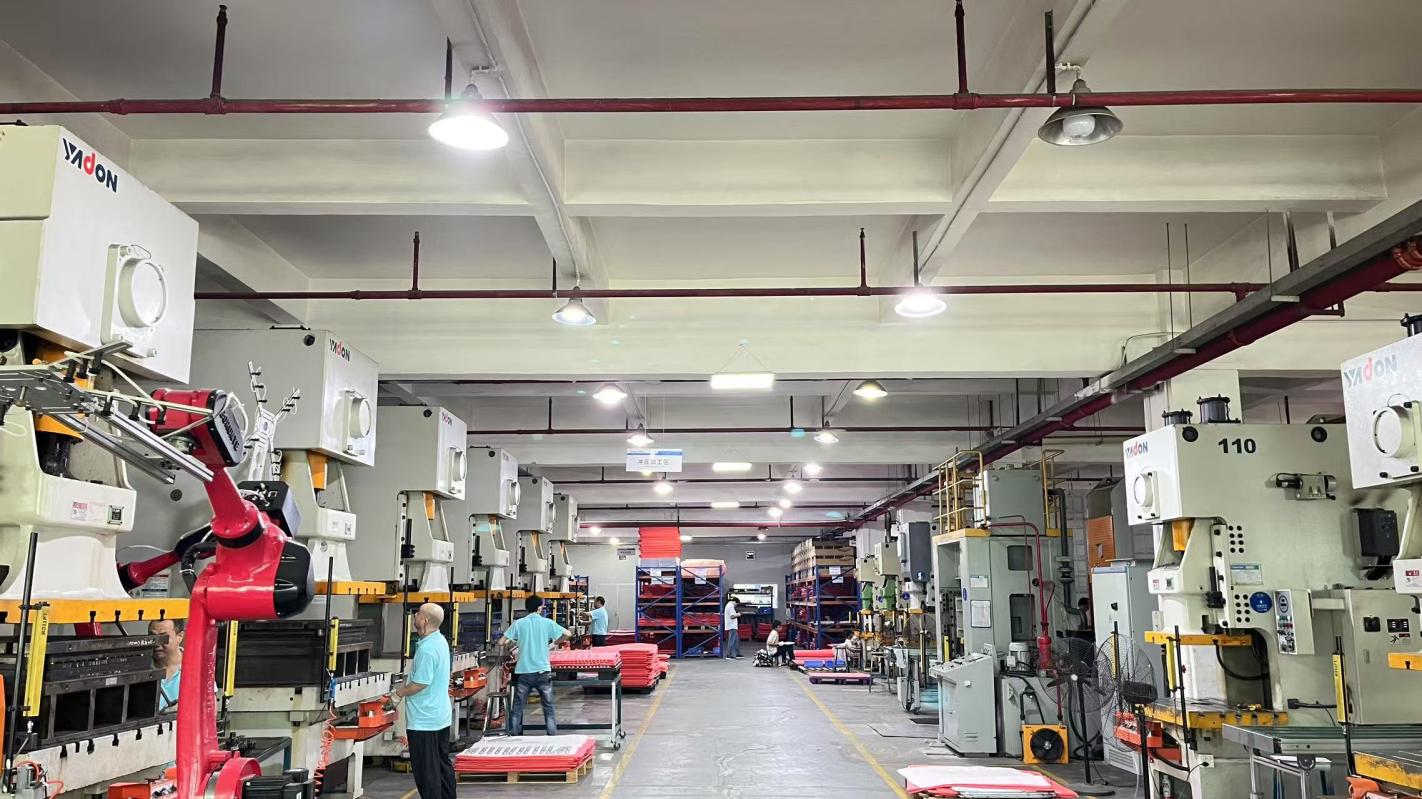
Take an inside look at Borevo AI Infrastructure's production assembly lines, testing chambers, and quality control systems.