Borevo
Borevo
Borevo
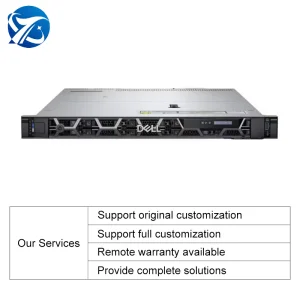
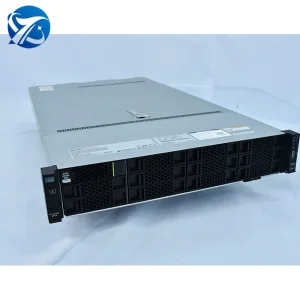
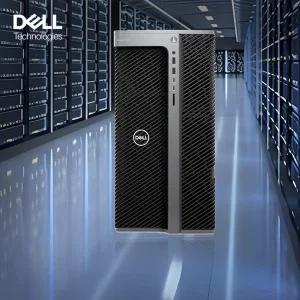
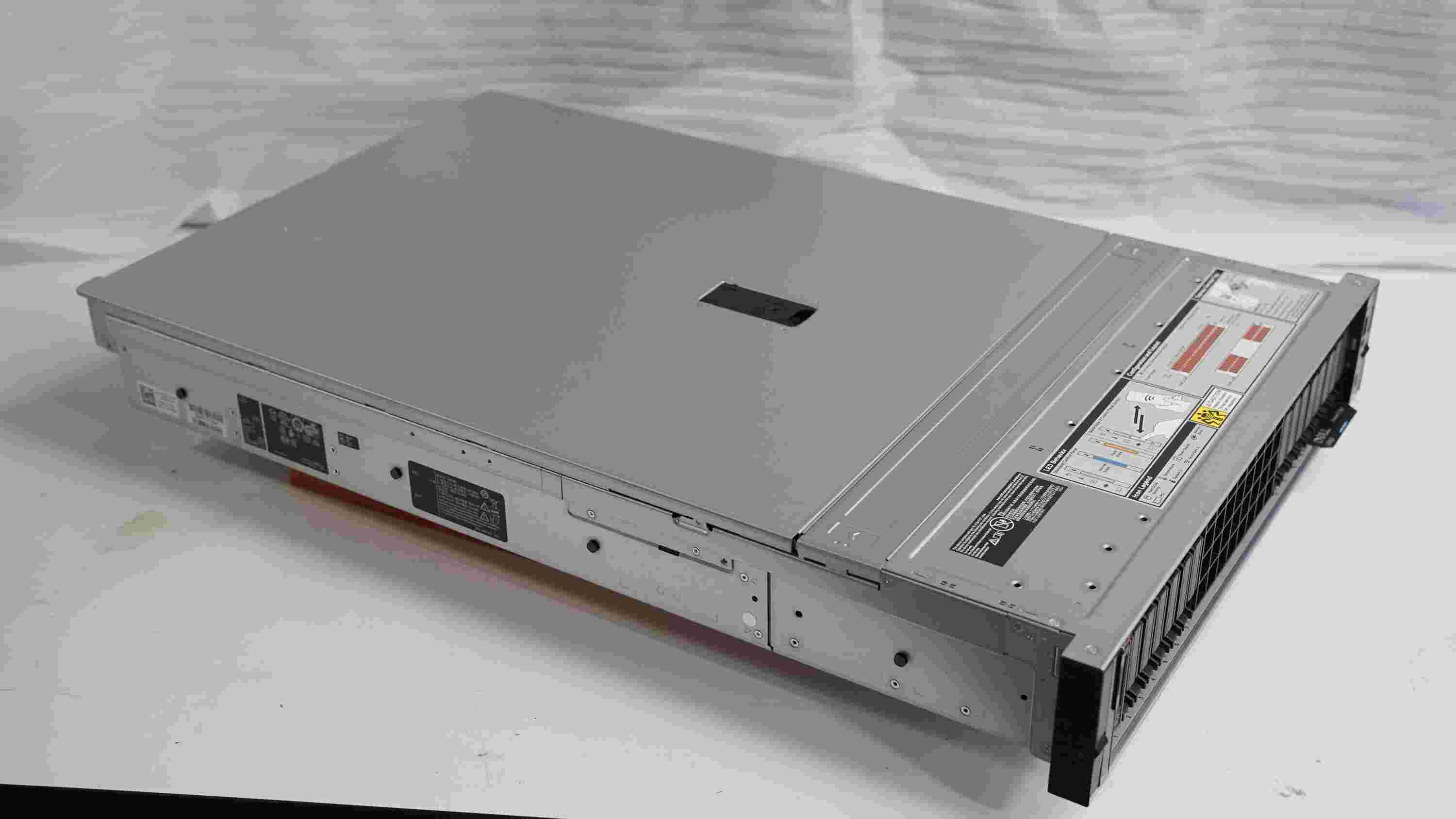
Deploy high-density server configurations with our premier line of enterprise AI servers and rack assets engineered to pair with advanced Power Distribution Units.
The transformation of hyper-scale data centers, micro-grids, and edge processing configurations requiring uncompromising reliability.
With AI accelerator racks scaling from 30kW to over 100kW per cabinet, traditional single-phase power distribution is obsolete. Modern systems demand balanced three-phase high-amperage lines (up to 63A or higher) to avoid harmonic distortions and phase unbalance.
Compliance under the European Union's Low Voltage Directive (LVD) 2014/35/EU and Electromagnetic Compatibility (EMC) Directive 2014/30/EU guarantees safety. It certifies that these systems withstand electrical surges, thermal stresses, and operational workloads in heavy enterprise data ecosystems.
As standard-compliant architectures become globally unified, exporting certified power infrastructure involves strict compliance pathways. It requires matching localized input sockets (NEMA in North America, IEC 60309 in Europe and Asia) with global safety footprints.
As high-performance computing (HPC) pushes the physical limits of standard data center cooling and electrical capacity, Power Distribution Units (PDUs) have transitioned from simple power strips into sophisticated, network-enabled telemetry devices. They are designed to monitor power utilization effectiveness (PUE), manage environmental micro-climates at the cabinet level, and enable automated load shedding.
Standard systems are fading as modular, intelligent, and software-defined units take their place.
| PDU Generation | Key Characteristics | Intelligence Level | Best Suited For |
|---|---|---|---|
| Basic PDUs | Reliable distribution without digital interfaces, physical circuit breakers, high reliability. | None (Analog display optional) | Legacy server infrastructure & auxiliary networking racks. |
| Metered PDUs | Local current & voltage display; helps prevent circuit overloading during deployment. | Local Telemetry Only | Static environment loads with predictable computational footprints. |
| Monitored / Intelligent PDUs | TCP/IP interface, remote aggregate or socket-level metrics, SMTP alerts, Modbus/SNMP integration. | Real-time Remote Telemetry | Colocation facilities, cloud hosting infrastructure, virtualized clusters. |
| Switched Intelligent PDUs | Individual outlet control, remote power cycling, sequencing delays to manage inrush current. | Full Control & Telemetry | AI/HPC environments, lights-out remote offices, high-density GPU nodes. |
Modern servers pull significant power when booted simultaneously. Switched PDUs resolve this using advanced sequencing engines, turning on outlets with custom time-delay protocols to protect upstream breakers from tripping.
By using external sensor networks (temperature, humidity, airflow, and door contacts) plugged directly into the PDU’s control board, operations teams can map out real-time thermal conditions without deploying separate hardware.
The progression of PDU architectures designed for AI training, high-voltage networks, and next-generation liquid-cooled infrastructures.
Transitioning from AC conversion steps to 240V/380V DC architectures directly to the power supply unit (PSU). This minimizes conversion steps, improving thermal efficiency and overall system reliability.
Adapting physical designs to coexist with liquid manifolds inside the cabinet. New form factors allow PDUs to mount alongside CDU plumbing without compromising access to hot-swappable components.
Embedding machine learning models at the controller level to monitor micro-deviations in power factor, phase angle, and heat. This allows systems to flag failing PSUs before they cause a circuit trip or system downtime.
Standardized configurations designed to sustain heavy deep learning workloads.
Engineered for high density, these architectures utilize dual-input feed redundancy (A and B lines) supporting up to 48 outlets per PDU. Built-in hydraulic-magnetic breakers ensure consistent performance in warm containment aisles.
Built for compact spaces, low-profile horizontal 1U/2U PDUs deliver stable power protection in dusty or thermally volatile environments. They offer remote IP access for locations without on-site IT support.
Replacing traditional rigid cable bundles, modular busway designs tap directly into overhead power lines. This allows rapid additions or changes of PDUs without causing operational downtime.
Industrial strength manufacturing partner for AI computing hardware, server integration, and power systems.
Borevo AI Infrastructure (China) Co., Ltd. is a specialized AI GPU manufacturer dedicated to delivering high-performance computing hardware and advanced AI infrastructure solutions for global markets. The company focuses on GPU design integration, AI acceleration systems, and customized computing solutions for data-intensive applications.
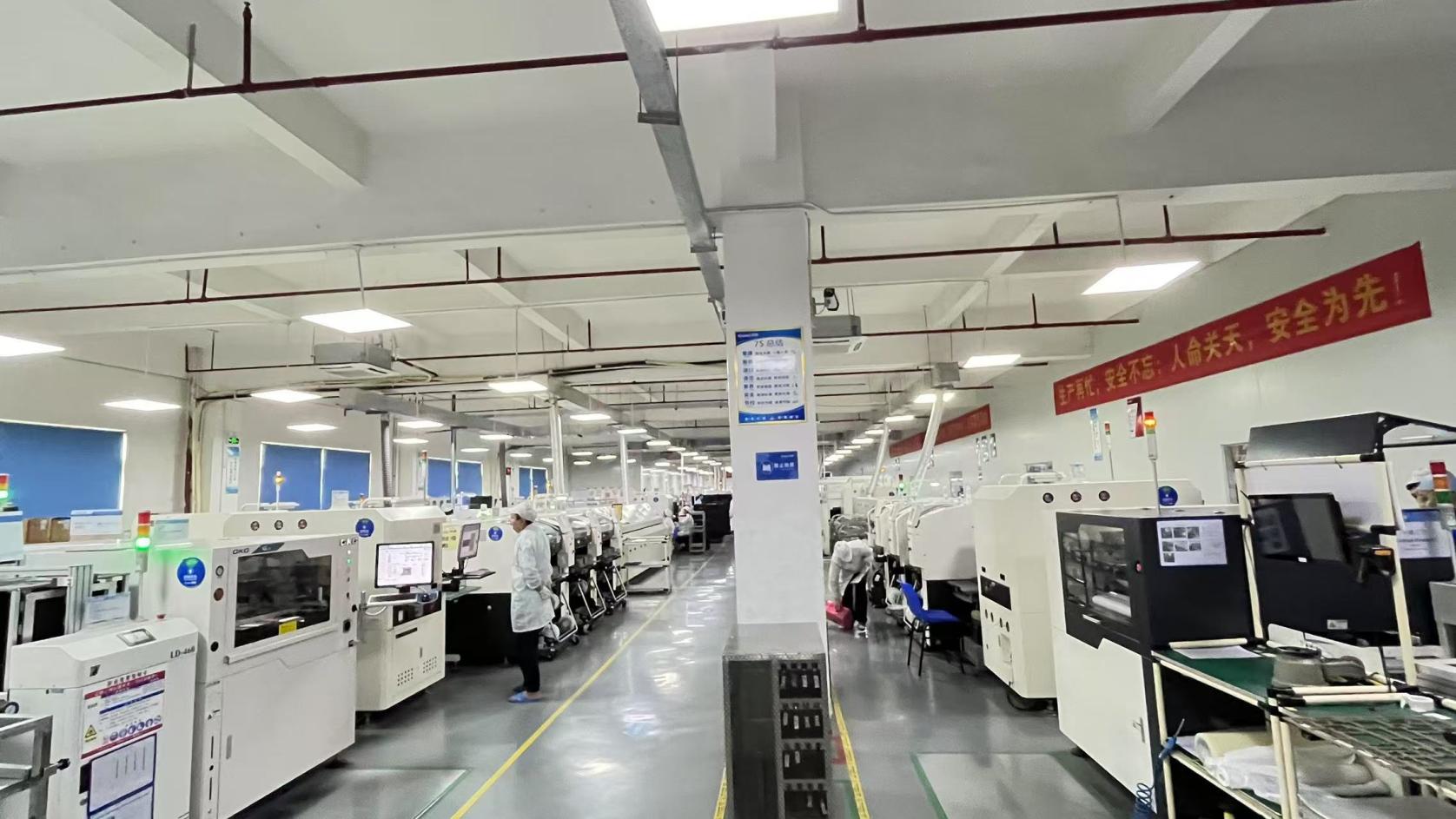
Full-process quality assurance including incoming material inspection, in-line production monitoring, and final performance validation. Tested using AOI inspection, burn-in testing, thermal stress testing, and electrical performance benchmarking managed by 45 QC experts.
Leveraging 7 years of export history (12 years total industry experience) to supply North America, Europe, and Southeast Asia. We maintain 850 strategic partnerships spanning semiconductors, PCBs, thermal solutions, and component supply chains.
With 120 new products released annually, we specialize in firmware customization, PCB design modifications, thermal solution adjustments, and custom memory layouts for tier-1 hyperscale clouds.
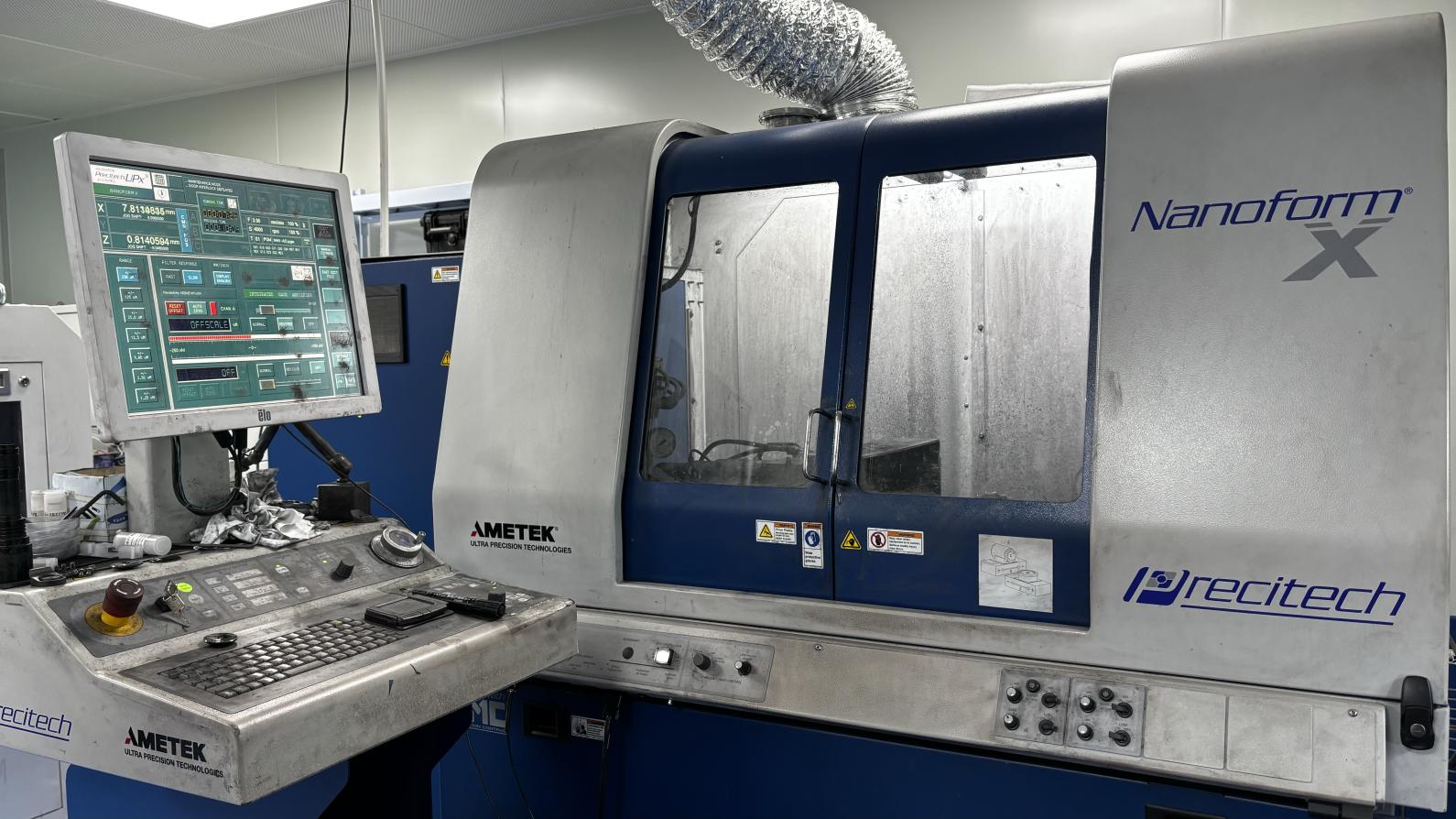
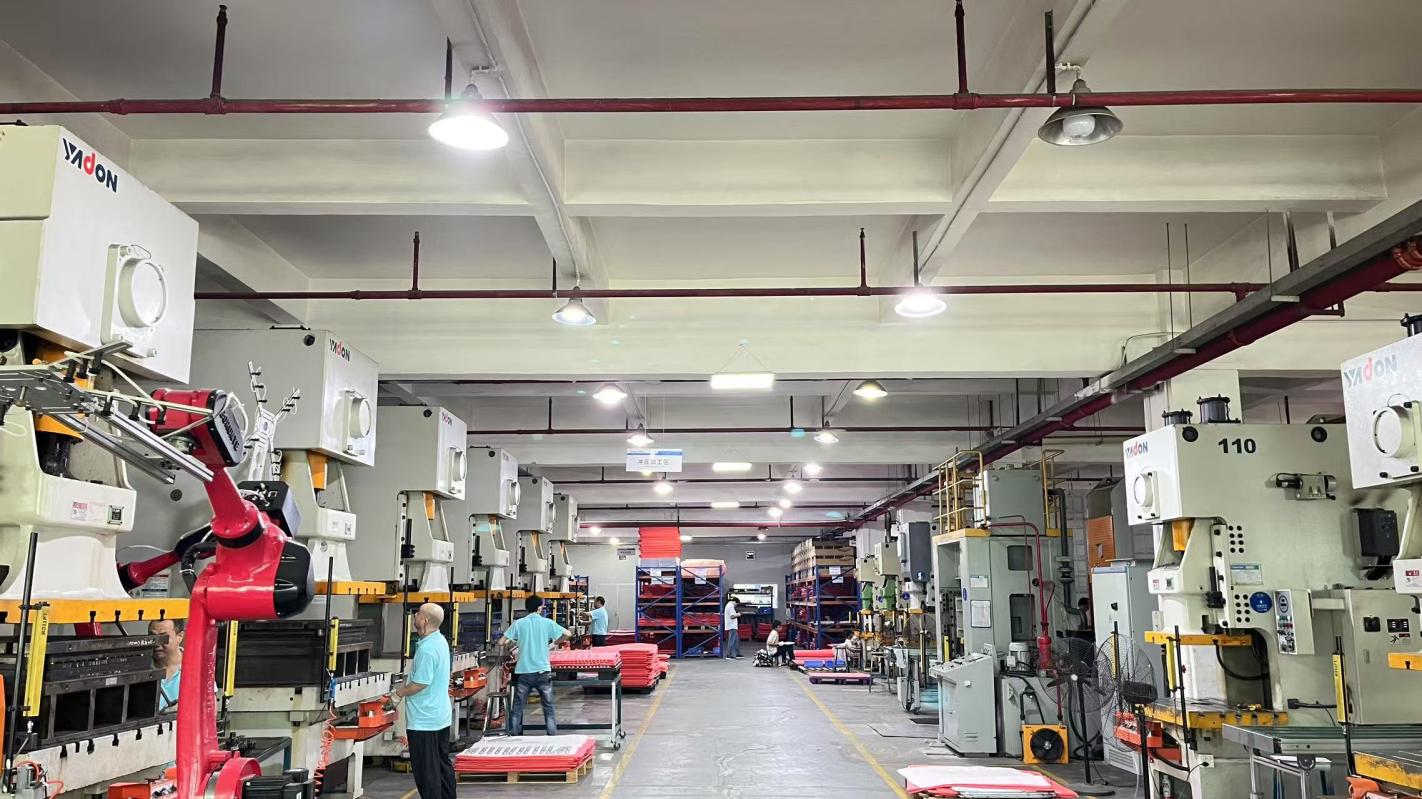
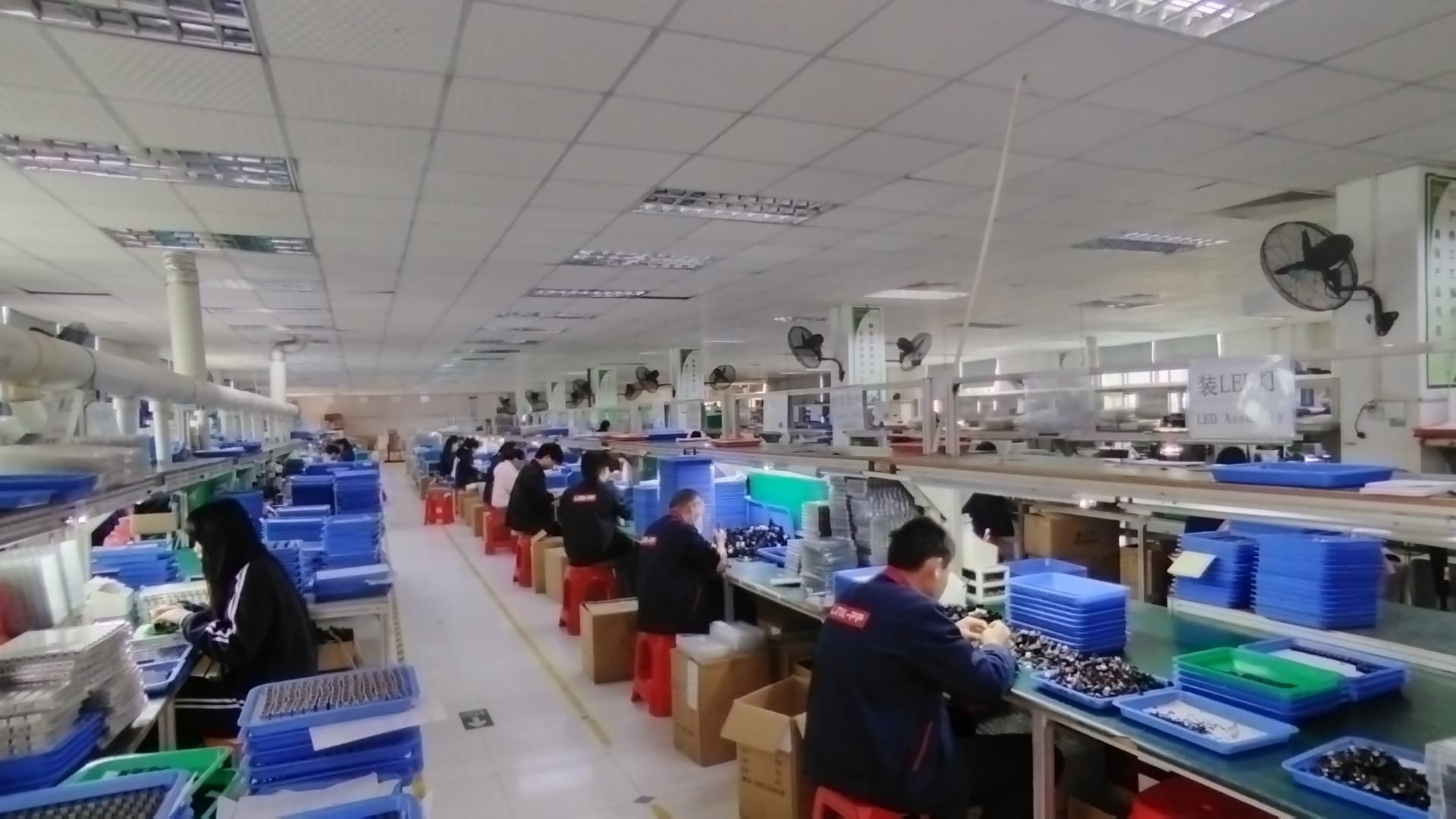
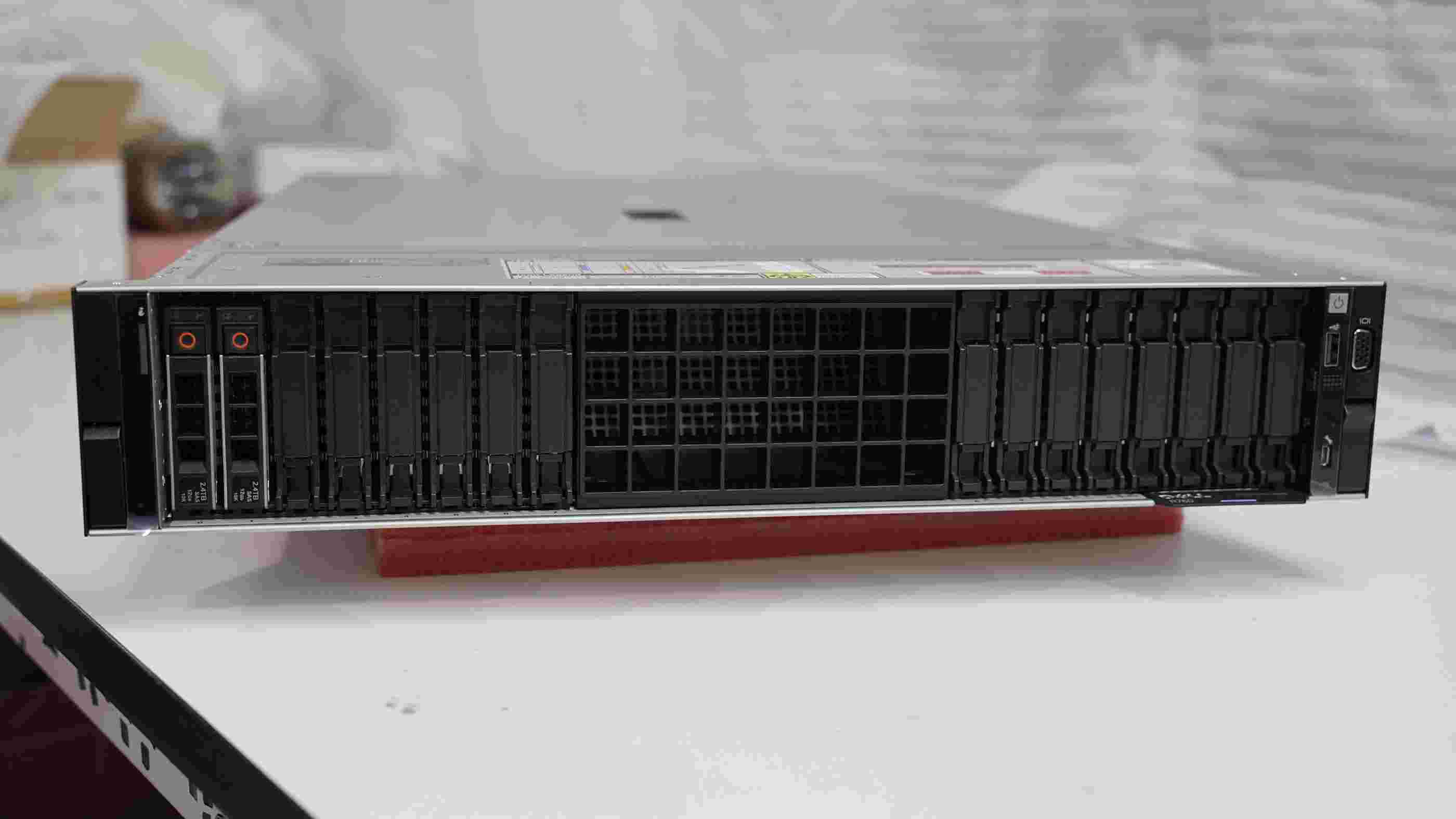
Take an inside look at our advanced manufacturing plants, quality testing areas, and warehousing facilities.

Answers to common questions about power infrastructure, CE compliance, and high-density installations.
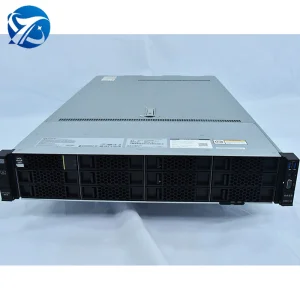
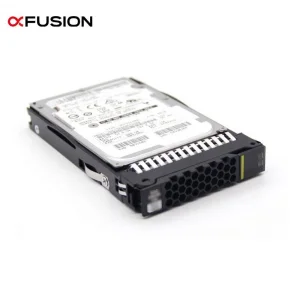
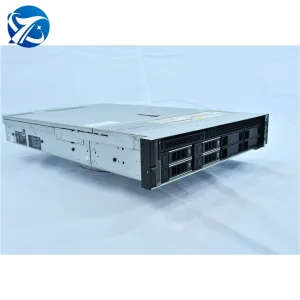
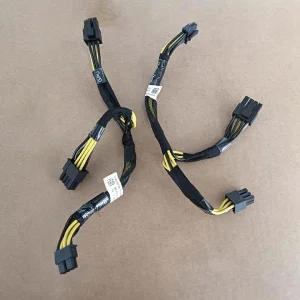
Expand your IT hardware layout with these industry-grade computing nodes, storage drives, and power cable accessories.