Borevo
Borevo
Borevo
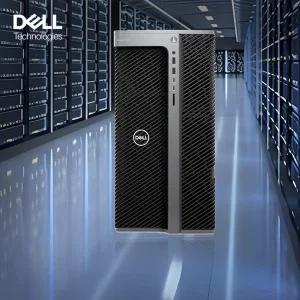
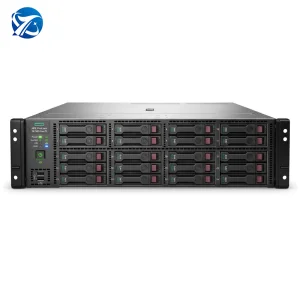
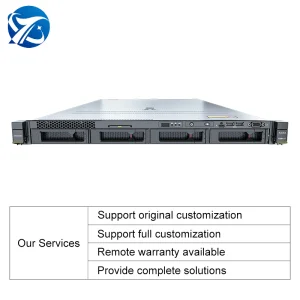
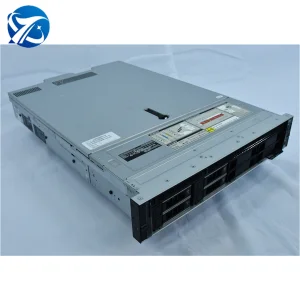
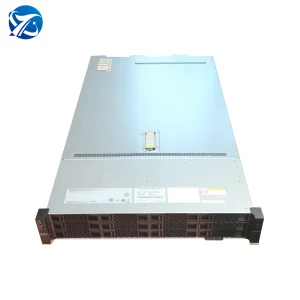
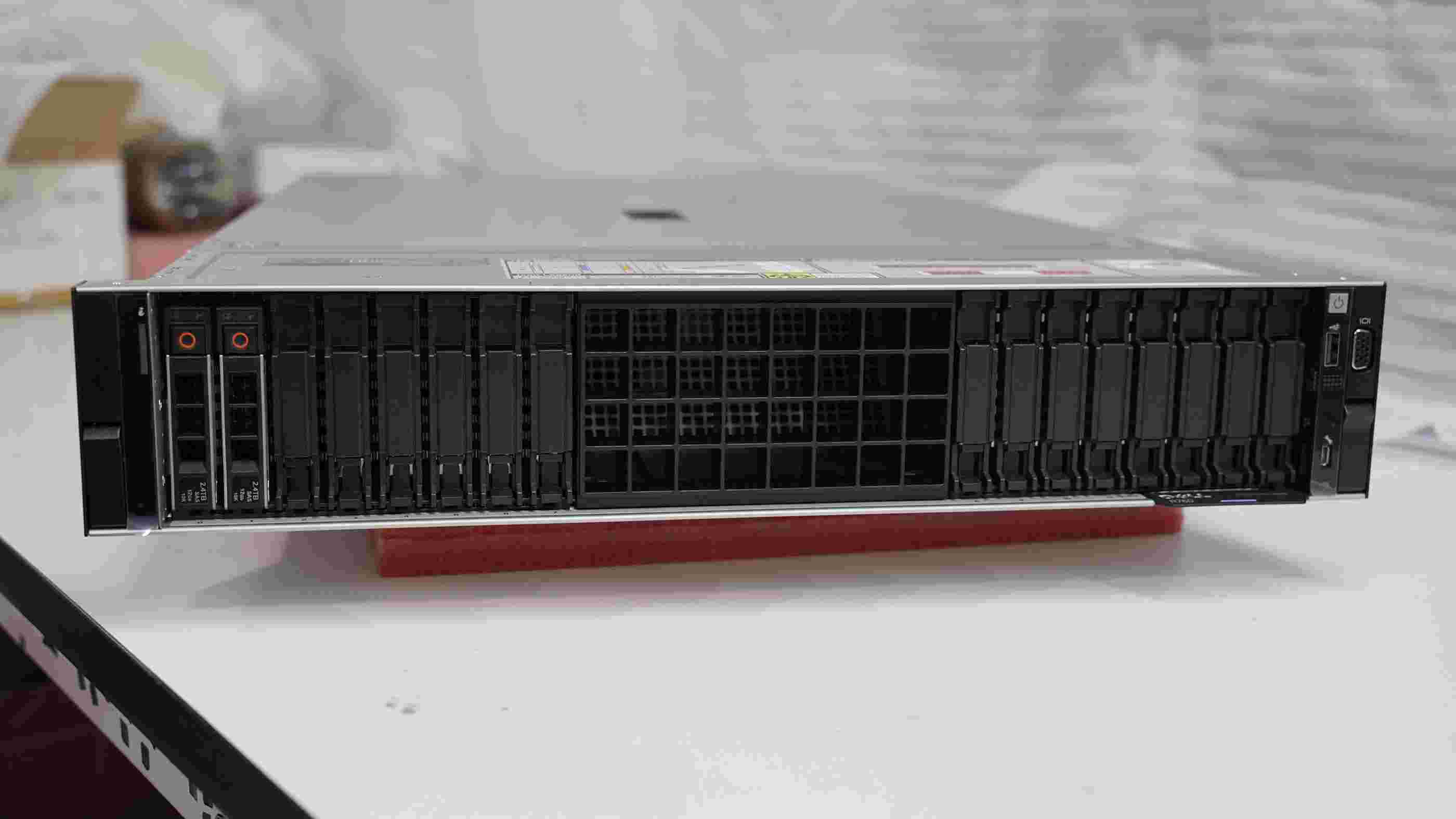
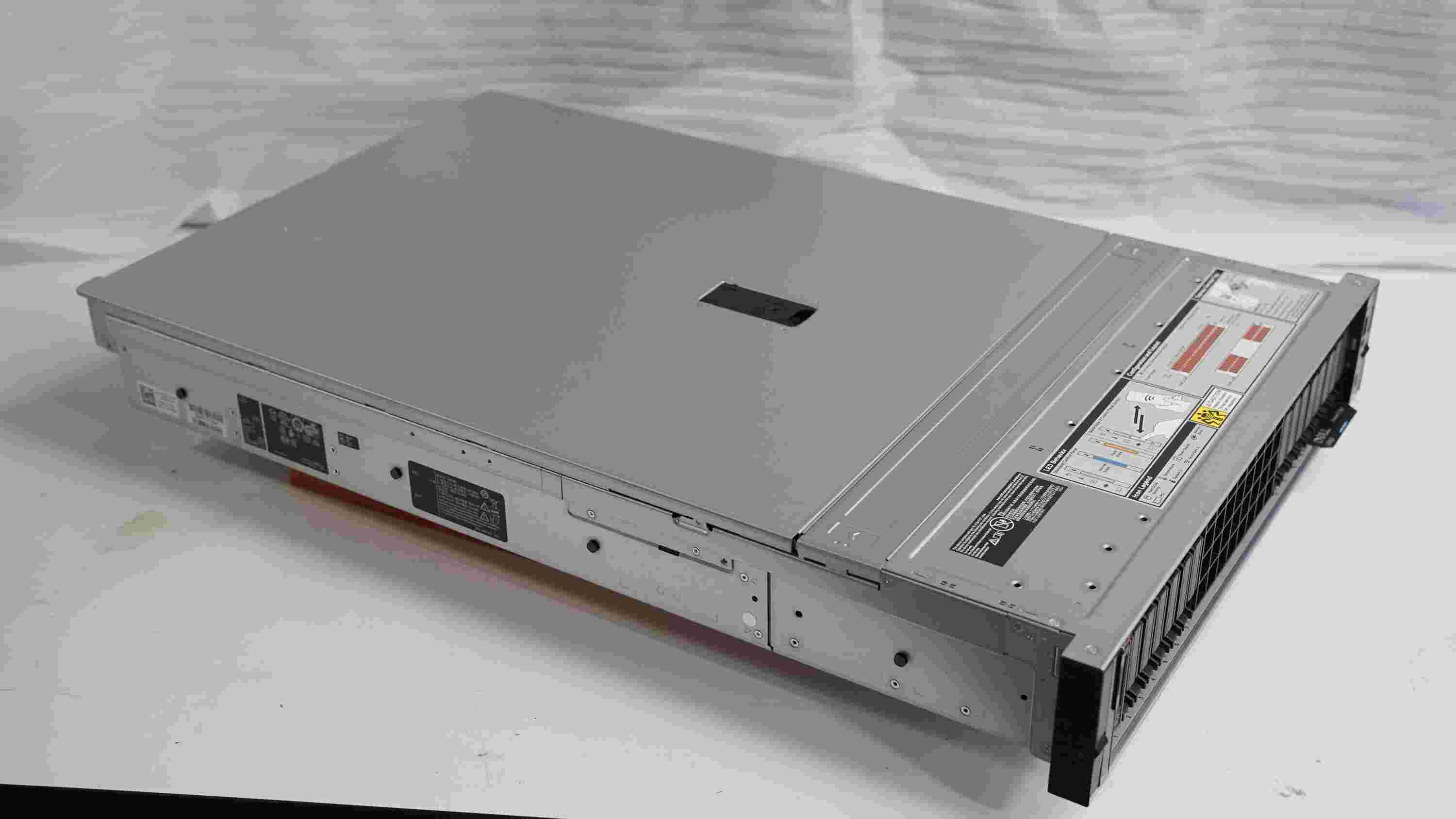
Select from our high-performance hardware inventory including state-of-the-art dual-socket platforms, specialized AI systems, and enterprise storage arrays.
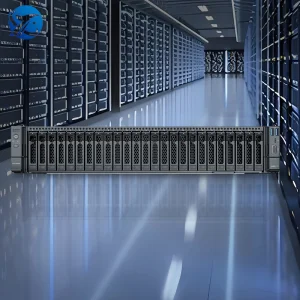
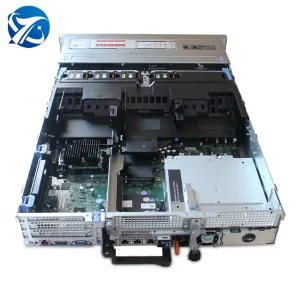
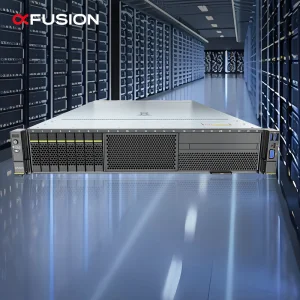
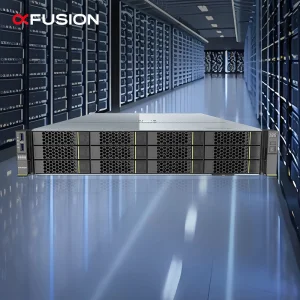
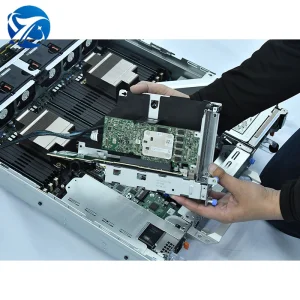
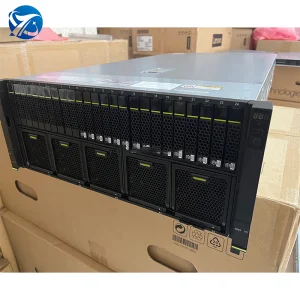
As standard data center infrastructures face unprecedented pressure from heterogeneous computing, deep-learning models (such as DeepSeek R1, ChatGPT-4o), and massive cloud migrations, traditional monolithic rack setups are proving too rigid. The global compute paradigm has systematically shifted toward modular server systems. These dynamic architectures decouple compute engines, hot-swappable I/O expansions, and dynamic storage configurations from the physical chassis footprint, enabling seamless scaling and rapid localized deployment.
Understanding user intent in server procurement involves resolving challenges like thermal management (especially under 350W+ TDP limits per socket) and maximizing signal integrity on PCIe Gen 5 and emerging Gen 6 lanes. When sourcing from CE-certified factories, system integrators acquire hardware designed for robust electromagnetic compatibility (EMC) and low-voltage electrical safety, ensuring continuous enterprise operations.
Borevo AI Infrastructure (China) Co., Ltd. stands as a preeminent, specialized AI GPU and high-performance server manufacturer. We design, integrate, and distribute complex heterogeneous systems tailored for modern deep-learning engines, global hyperscalers, and mission-critical cloud backbones.
Since our registration in 2018, Borevo has rapidly bridged the gap between cutting-edge chip architectures and scalable, rack-ready server enclosures. Driven by 7 years of global export compliance, we offer robust turnkey OEM/ODM operations with modular designs ready to tackle multi-node storage challenges and compute density bottlenecks.
Exporting to primary hubs across North America, Europe, and Southeast Asia, Borevo operates a network of approximately 850 strategic partners. Our ecosystem spans high-density PCB fabricators, semiconductor vendors, memory manufacturers, and precision liquid-cooling component providers, ensuring product consistency and reliability.
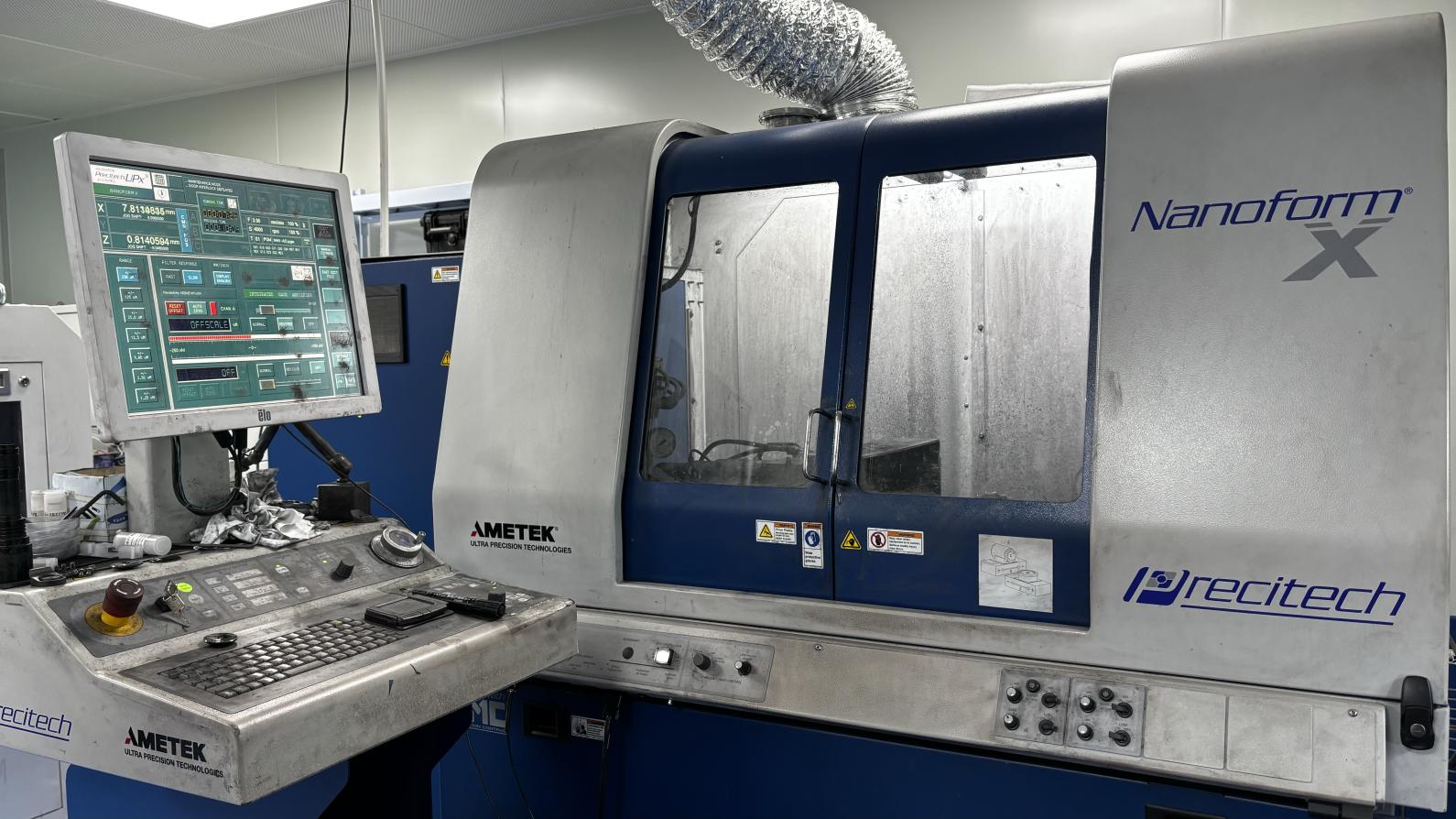
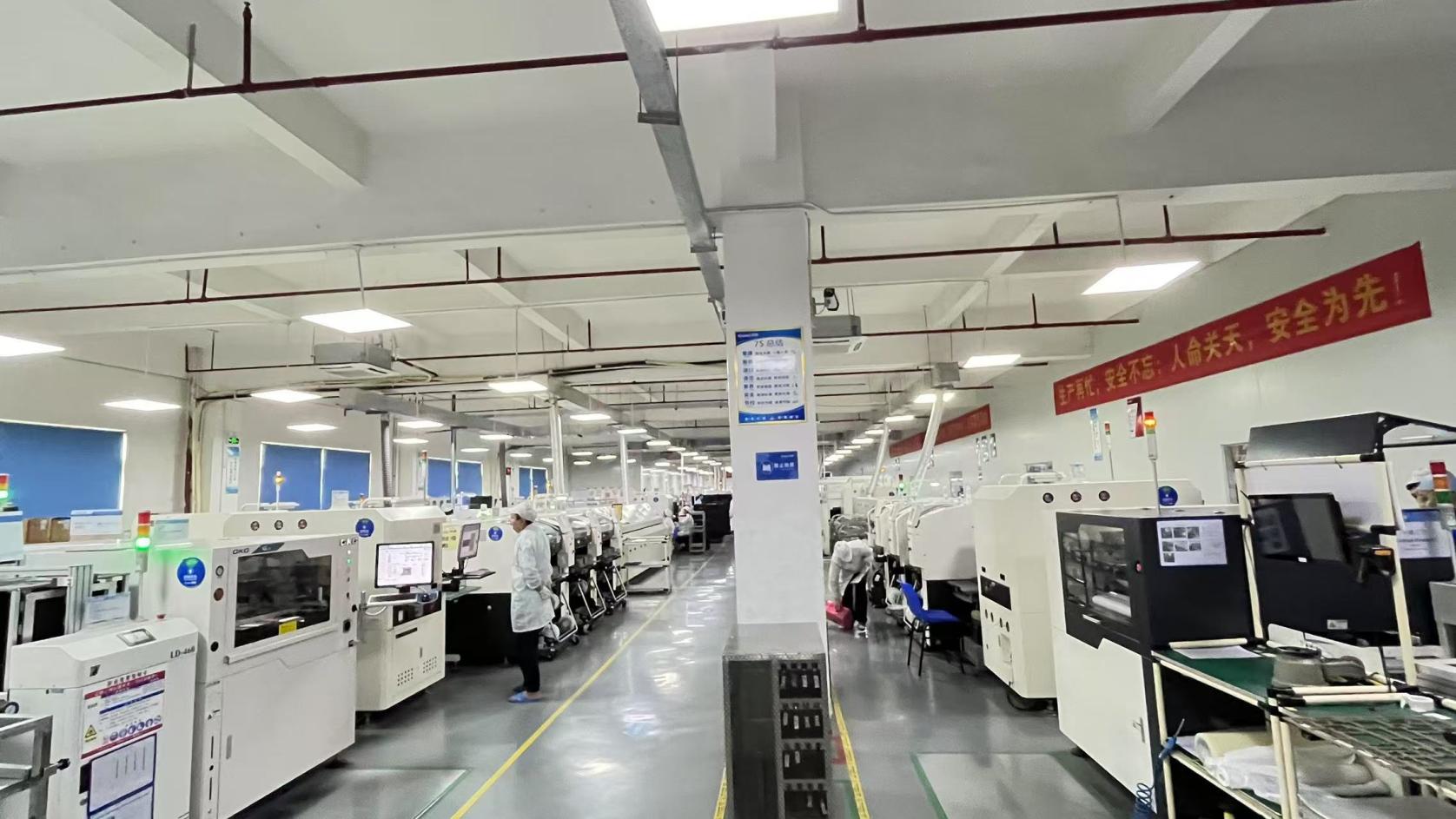
Reliability in high-performance computing cannot be assumed; it must be scientifically engineered. At Borevo, our manufacturing pipelines are tightly integrated with state-of-the-art diagnostic and testing equipment to assure maximum uptime for critical compute nodes.
Our quality verification processes cover incoming material inspections (IQC), in-line process monitoring (IPQC), and end-of-line performance validation (FQC). No assembly is released to packaging without complete verification.
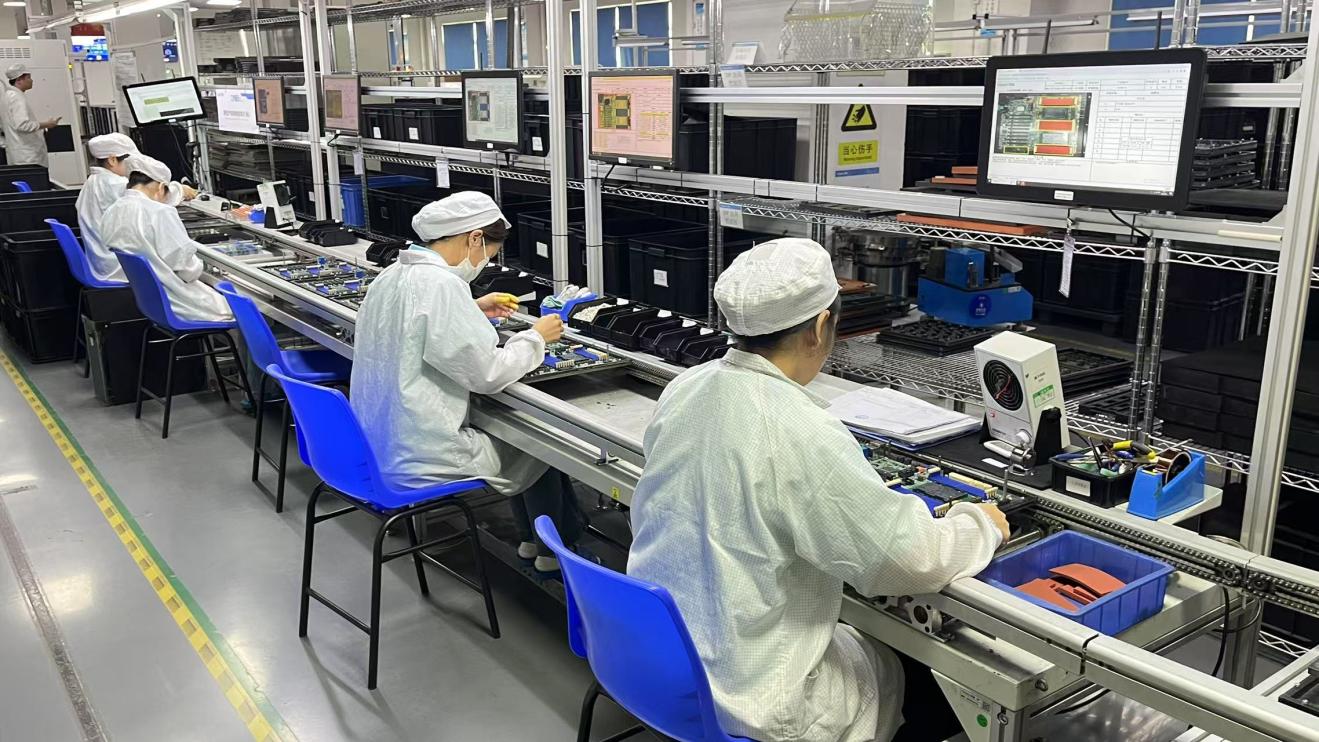
Every node undergoes automated optical inspection (AOI), thermal stress cycles (-10°C to 55°C), high-temperature dynamic burn-in testing, and continuous power load profiling to eliminate early-life failure risks.
Our QA pipelines are managed by 45 dedicated quality controllers, supported by 180 R&D engineers who quickly resolve configuration issues, adjust firmware parameters, and refine thermal solutions.
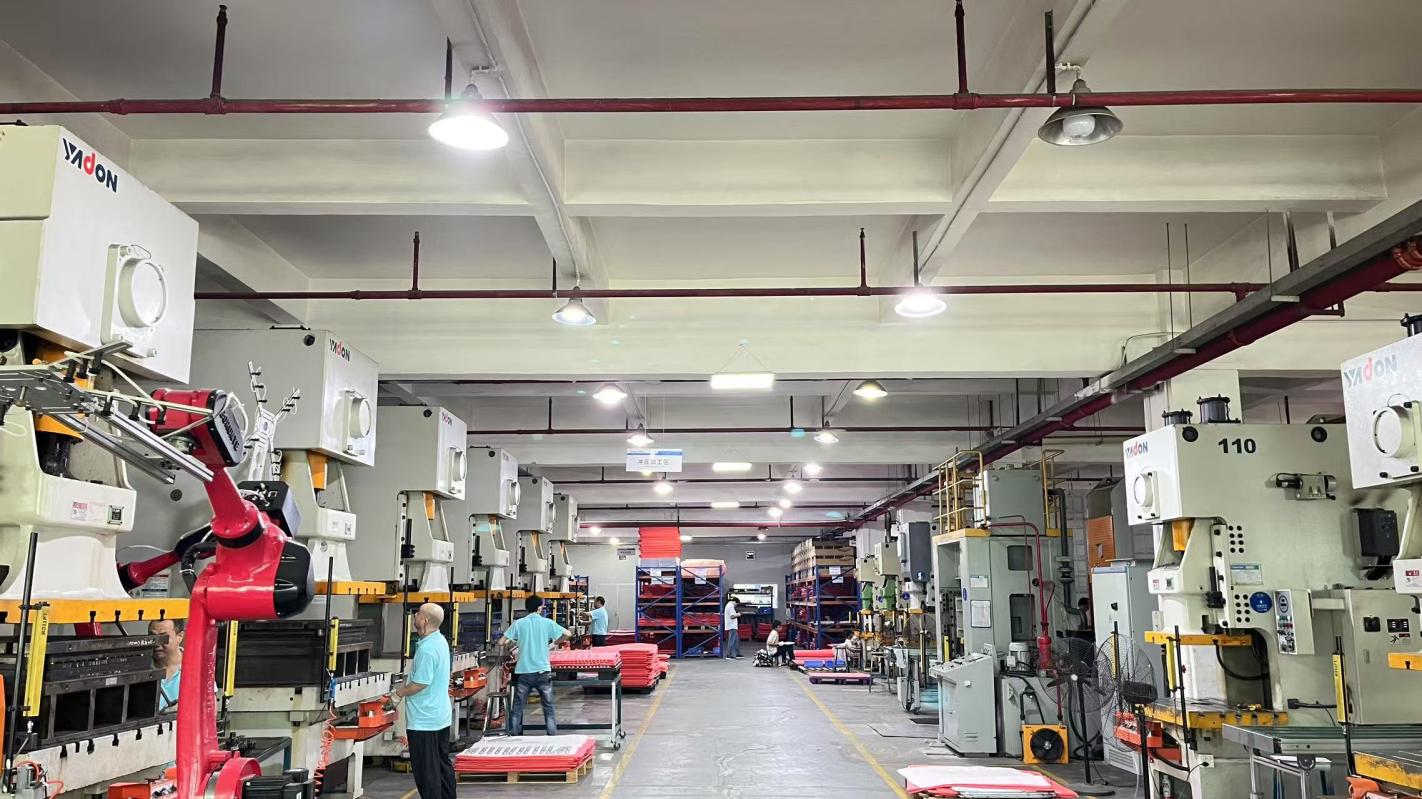
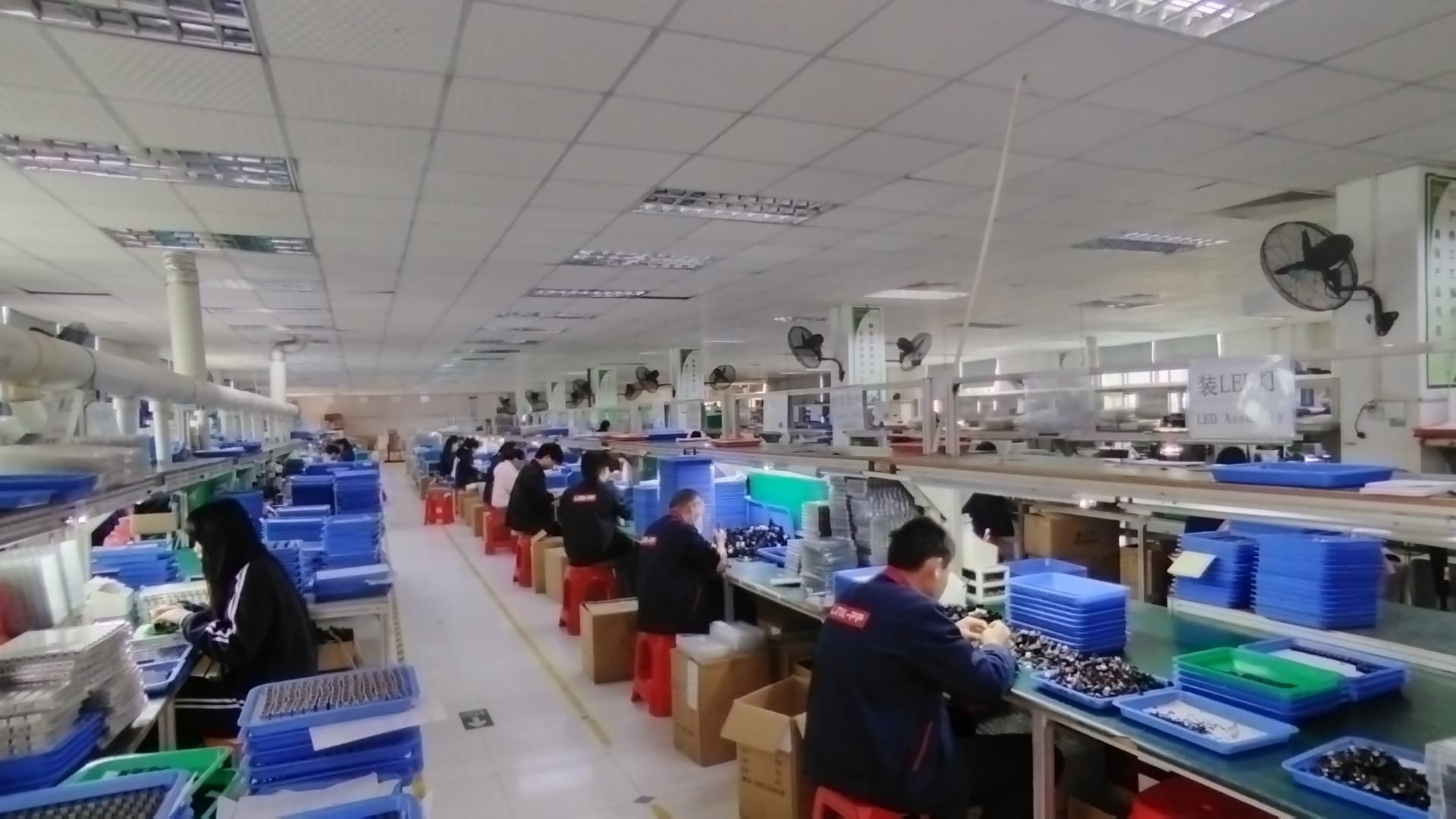
The core success of Borevo modular server systems relies on our optimized integration within China’s electronics manufacturing ecosystems. Operating from a 18,600 ㎡ state-of-the-art facility, our factory provides a high degree of supply chain vertical integration.
Supported by 850 strategic partners, we secure bulk components—ranging from multilayer impedance-controlled PCBs to thermal paste and structural sheet metal—with minimized lead times. This allows us to scale up production during critical rollouts without experiencing the material shortages common in fragmented supply chains.
Furthermore, our proximity to advanced semiconductor testing facilities enables rapid iterations on customized backplanes, customized power distribution boards (PDBs), and tailored rack integration, offering a strong time-to-market advantage for global server buyers.
Modular server designs are highly versatile, delivering specific benefits across distinct enterprise workloads:
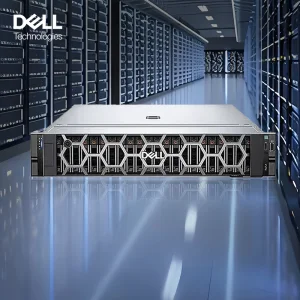
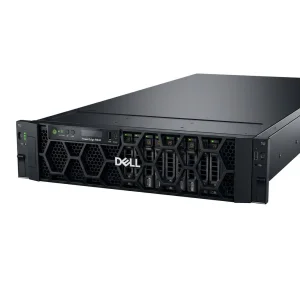
By using blade-like nodes like the Dell PowerEdge R670 or R760, cloud providers can maximize computing density per rack unit, dynamically allocating CPU cores and memory pools based on changing user demand.
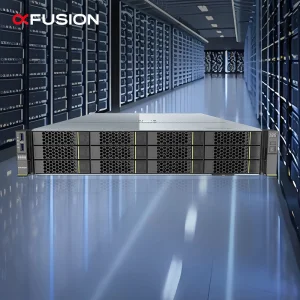
Configurations featuring systems like the xFusion 2488H V7 and FusionServer 5288 V5 provide the high PCIe bandwidth, power delivery, and cooling capacity required to support multiple high-TDP accelerator cards.
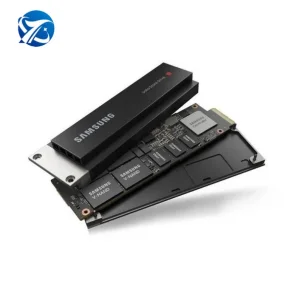
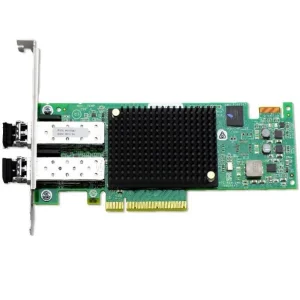
Using enterprise-grade SAS/NVMe SSD arrays and dedicated network cards, these systems support high-performance localized NAS clusters and deep data storage archives for financial and medical institutions.
As server density advances, standard design rules must evolve. We actively develop next-generation solutions designed to meet tomorrow's infrastructure demands:
Air cooling is approaching its limits at higher processor power levels. Our engineering team is developing integrated cold plate assemblies designed for direct liquid cooling (DLC). This technology reduces power consumption at the facility level while maintaining lower chip temperatures, helping to extend hardware operating life.
Future memory and fabric bottlenecks require advanced solutions. We are designing backplanes that support CXL 2.0/3.0 specifications. This standard enables memory pooling and device sharing between host processors and accelerators, boosting performance for database systems and in-memory compute clusters.
For systems deployed in the European Economic Area (EEA) and other international markets, compliance is a baseline requirement. Our CE-certified modular server systems conform to essential safety directives:
Ensures electrical isolation, fire protection, and shock prevention under various operating conditions, safeguarding operators and hardware.
Limits electromagnetic interference (EMI) to protect neighboring equipment, while providing high immunity to external signal disruptions.
Ensures our manufacturing processes minimize hazardous substances, simplifying end-of-life recycling and matching corporate ESG initiatives.
Explore Borevo's cleanrooms, quality inspection zones, and high-performance server assembly lines.
Common technical questions answered by our engineering and compliance teams.
CE Certification indicates that modular systems comply with EU health, safety, and environmental protection standards. It ensures that servers operate safely within standard electrical envelopes, mitigate electromagnetic interference, and are approved for deployment in European data centers.
By isolating compute and storage resources, modular chassis optimize airflow paths. They leverage custom-milled copper heatsinks, high-static-pressure cooling fans, and smart BMC fan controllers, and can integrate direct liquid cooling solutions to keep system temperatures stable.
Yes. Our team of 180 R&D engineers can provide customized firmware solutions, including secure boot configurations, tailored thermal fan profiles, and custom RESTful APIs, facilitating integration into existing data center orchestration tools.
We run a multi-step quality control process. We perform AOI inspection on components, run a 24 to 72-hour high-temperature dynamic burn-in test to screen for early component issues, and conduct complete functional testing before final system approval.
Leveraging our relationships with 850 strategic partners, standard modifications can be prototyped in 2 to 3 weeks, while mass production runs typically ship within 4 to 6 weeks, depending on component availability.
Additional server components, network adapters, and storage modules to complete your system requirements.