Borevo
Borevo
Borevo
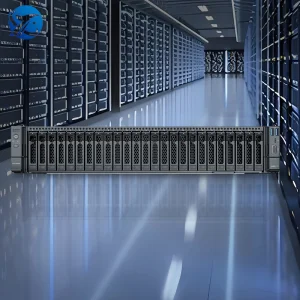
Deploy industry-validated architecture for critical database operations, private cloud architectures, and heavy AI workloads.
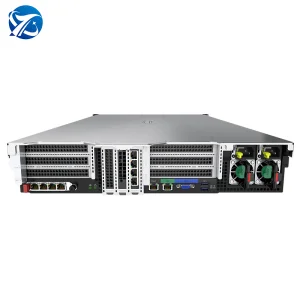
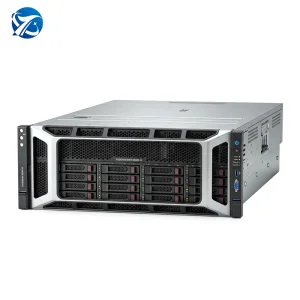
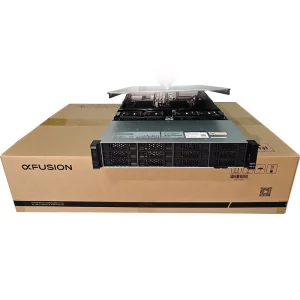
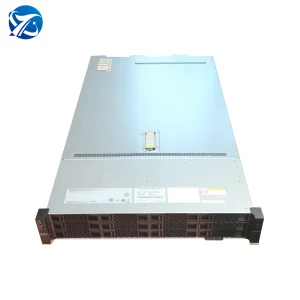
The global enterprise data landscape is undergoing an unprecedented architectural shift. As artificial intelligence models scale from billions to trillions of parameters, and modern SaaS ecosystems demand sub-millisecond latencies, classical cloud structures are evolving. The demand for localized, hybrid, and robust edge data servers has surged, placing compliance, safety, and operational reliability at the forefront of procurement agendas.
CE Certification serves as the baseline gateway for European Union market deployment. It mandates that cloud server designs adhere strictly to harmonized safety regulations, covering electrical safety (LVD 2014/35/EU), electromagnetic compatibility (EMC 2014/30/EU), and restricted substances compliance (RoHS). For worldwide enterprises, procuring CE-certified storage servers is a direct assurance of hardware resilience, lowering systemic operational risks and ensuring smooth custom clearances in over 30 EEA countries.
Modern procurement officers are no longer just looking at raw storage density. High-density arrays must balance structural integrity with thermal efficiency. Key factors considered include:
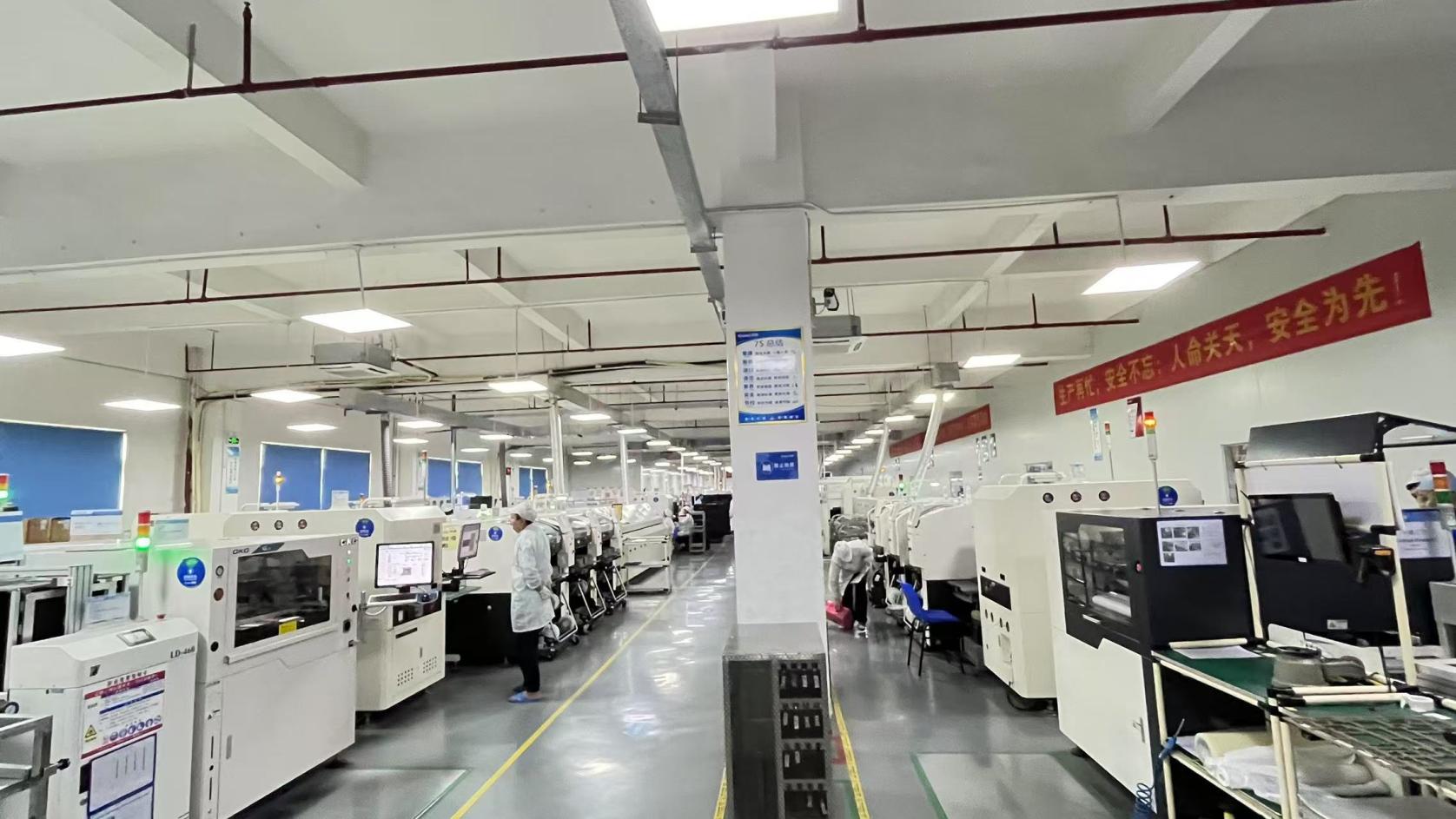
Southern China, and specifically the Shenzhen technology corridor, represents the peak of global semiconductor integration and electronics manufacturing supply chains. By establishing localized component loops, manufacturers in this region bypass cross-border logistics bottlenecks, dramatically accelerating time-to-market for complex hardware, including high-performance cloud storage and custom rack servers.
At the center of Borevo AI Infrastructure (China) Co., Ltd.'s competitive edge is our agility in custom server configuration. We provide end-to-end design flexibility, from custom firmware adaptations to thermal solution engineering and heterogeneous hardware pairings.
Our strategically situated fabrication networks allow us to manage complex component sourcing, securing high-speed memory modules, PCBs, and processors directly from primary silicon foundries. This cuts typical production lead times by up to 35% compared to manufacturers outside the Shenzhen cluster.
Quality is engineered directly into our server architectures. Our quality control teams employ multi-tiered checking methods, comprising:
Hardware design is context-driven. Different workloads require distinct optimization frameworks. Below are the primary environments where our CE-certified systems operate.
With the emergence of large language models like Deepseek and other deep learning frameworks, memory and training hardware configurations must scale instantly. Integrating multi-GPU nodes with high-speed NAS pipelines reduces training epochs and improves inference responsiveness.
Urban systems process massive real-time streams of video analytics. Edge storage servers deployed near raw data sources filter, cache, and analyze streams locally, lowering overall cloud bandwidth consumption and meeting strict regulatory privacy policies.
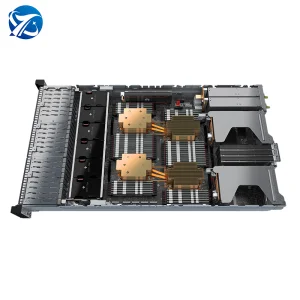
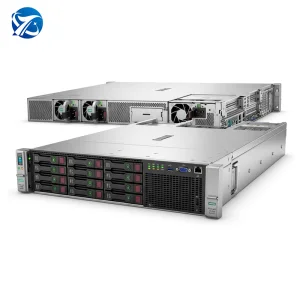
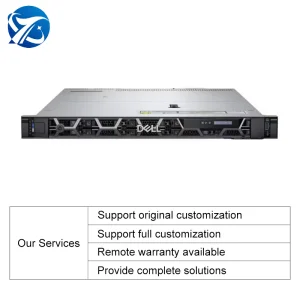
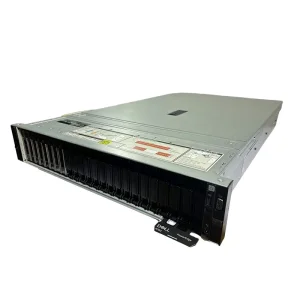
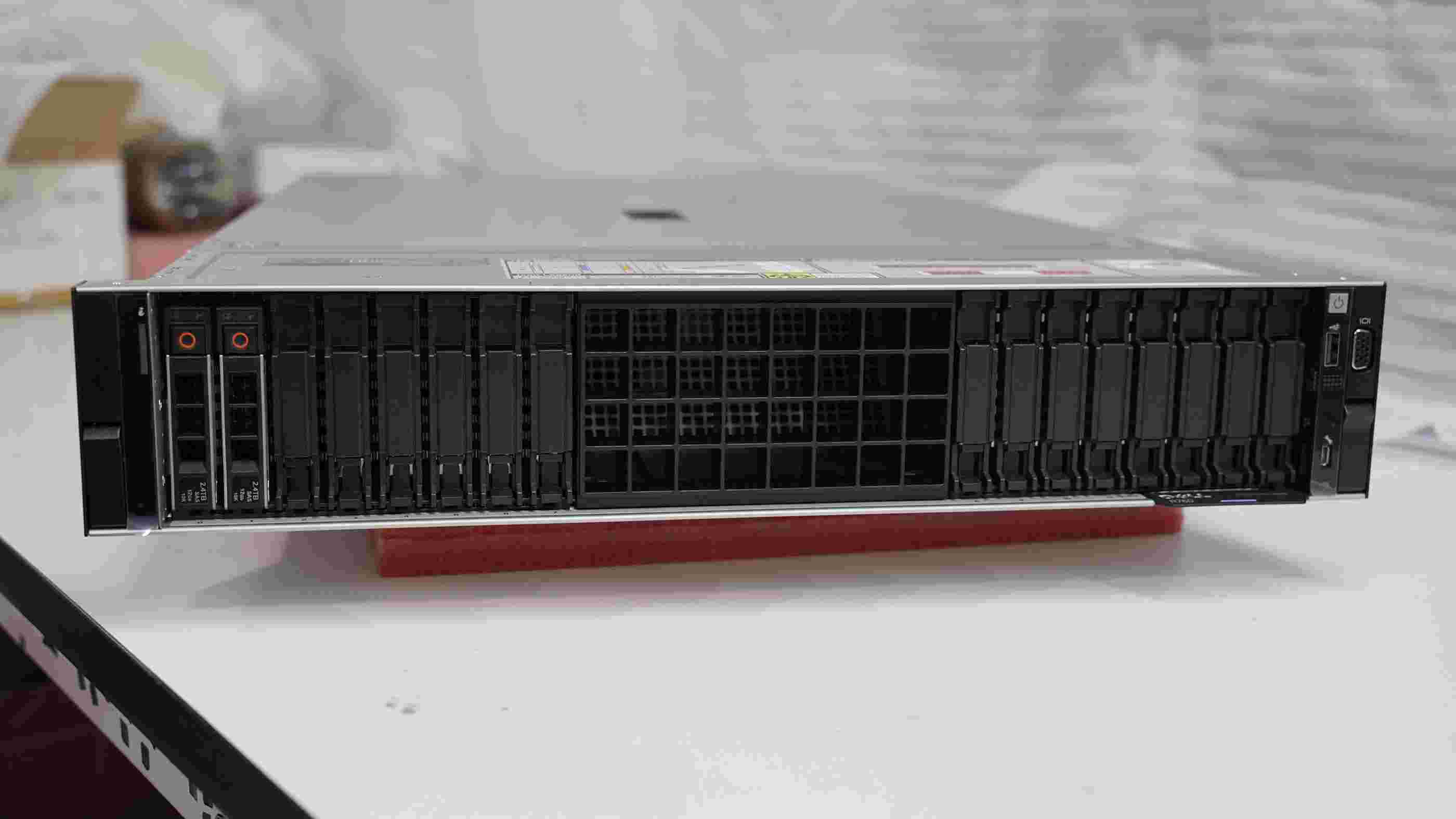
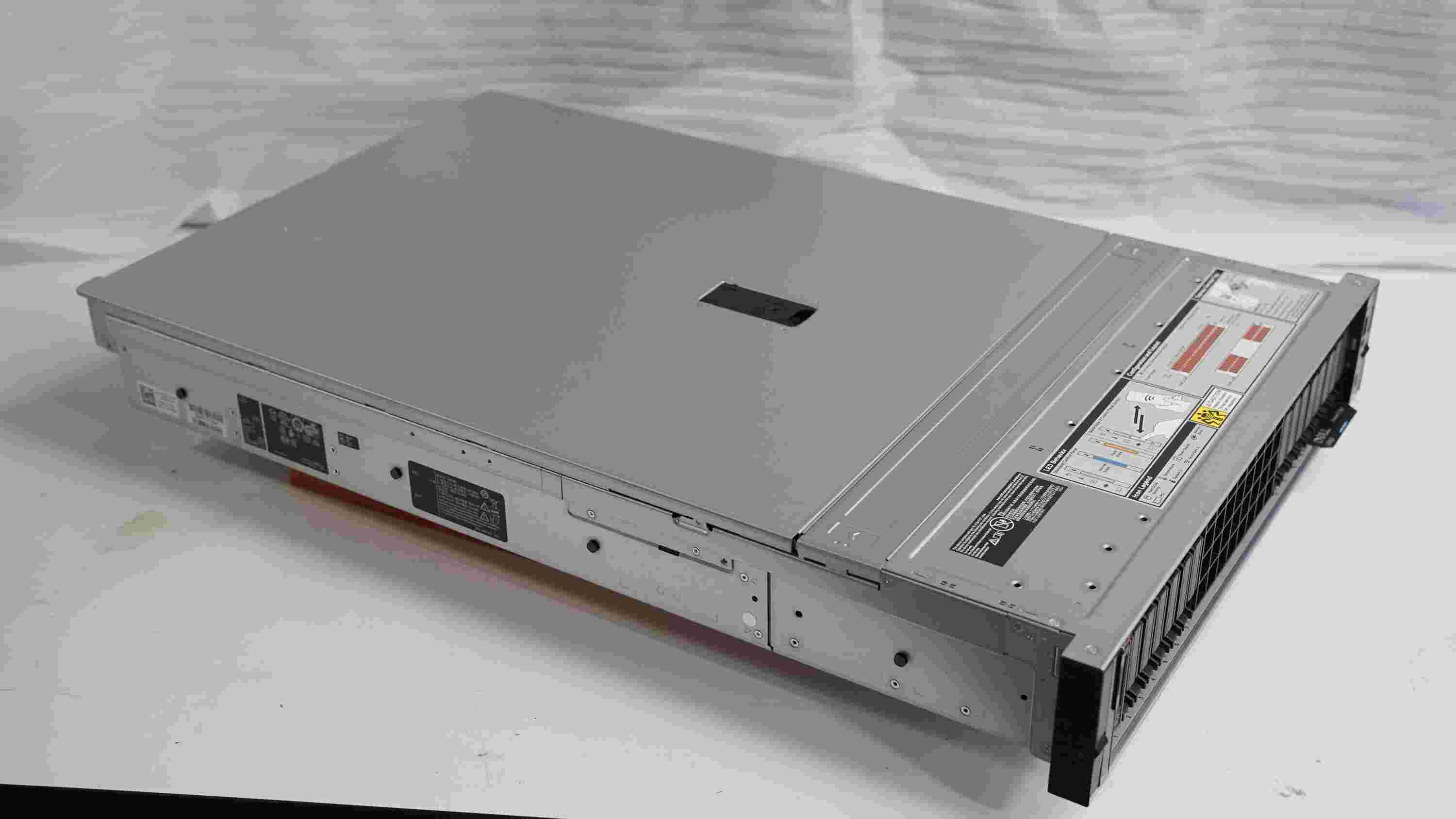
For large-scale enterprise deployments, virtual machines demand high IOPs and low latency. Utilizing dual-socket rack configurations paired with high-capacity enterprise SATA/NVMe storage ensures consistent, high-density computing resource allocation.
Established in 2018, Borevo AI Infrastructure has evolved into a global supplier of high-performance computing components. With a specialized focus on GPU design integration, AI acceleration systems, and customized cloud hardware, we bridge the gap between complex hardware configurations and global logistics compliance.
Leveraging over 12 years of industry experience and an annual export revenue exceeding USD 18 million, we continuously push structural engineering limits, offering robust solutions to over 850 strategic partners across North America, Europe, and Southeast Asia.
All facilities maintain strict ISO compliance, managing raw materials and assembly procedures under cleanroom environments to maintain peak semiconductor integrity.
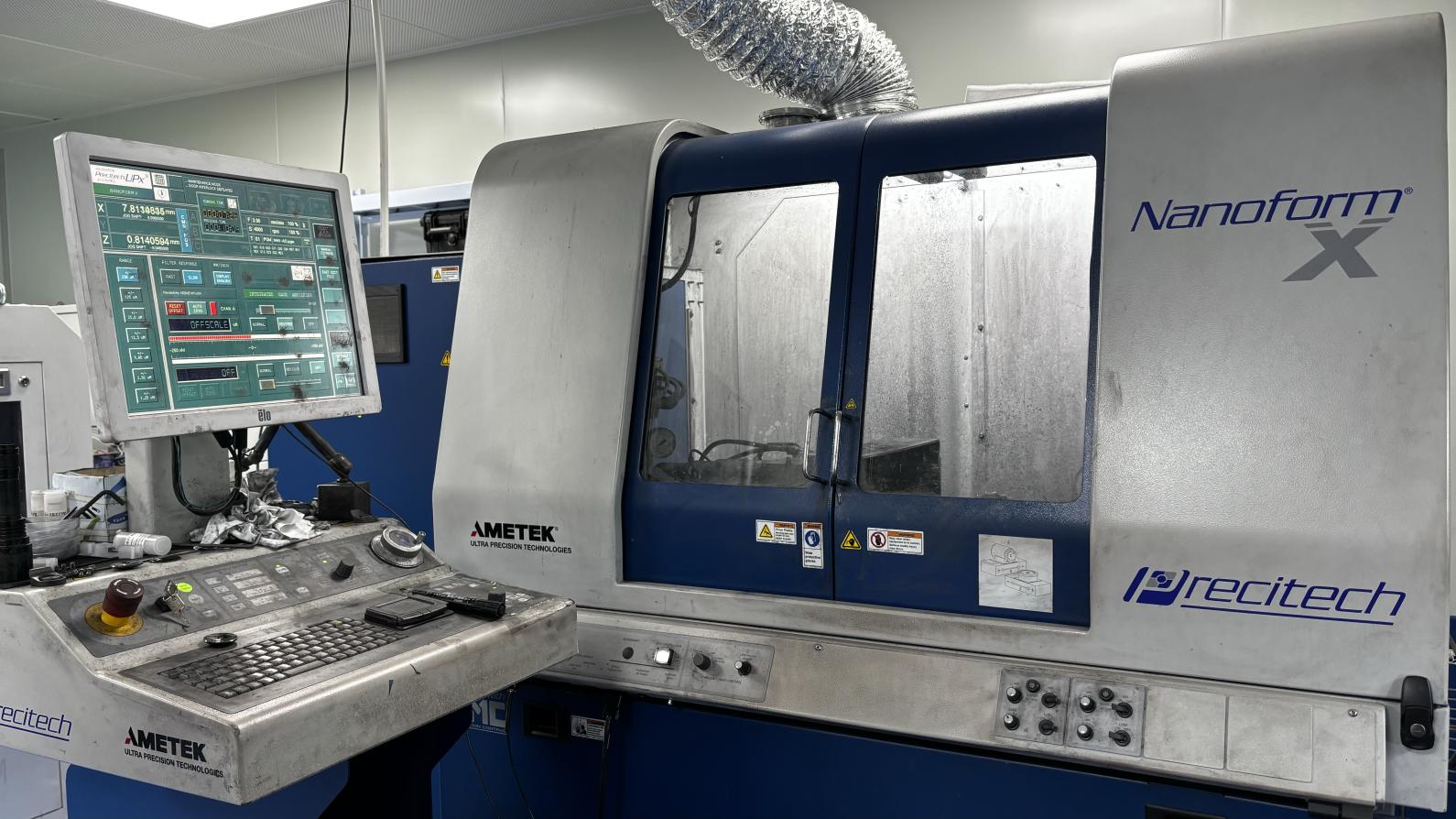
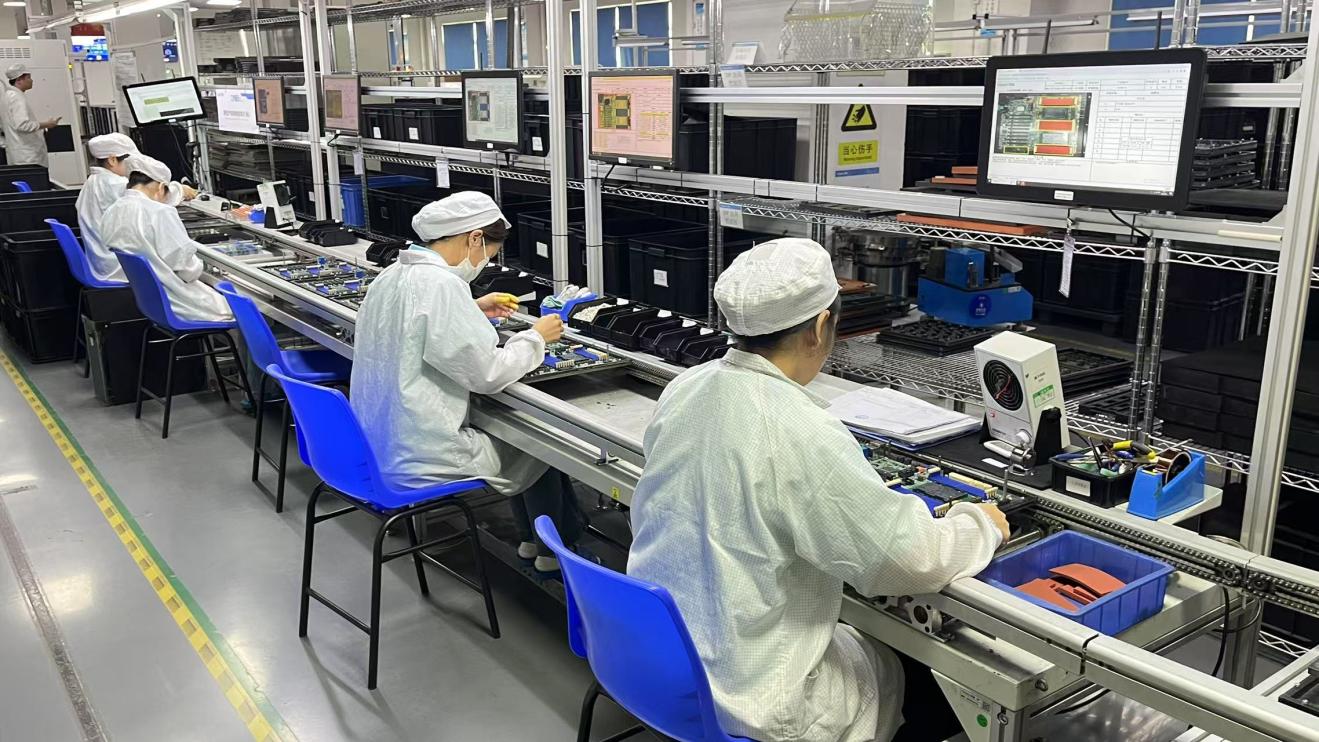
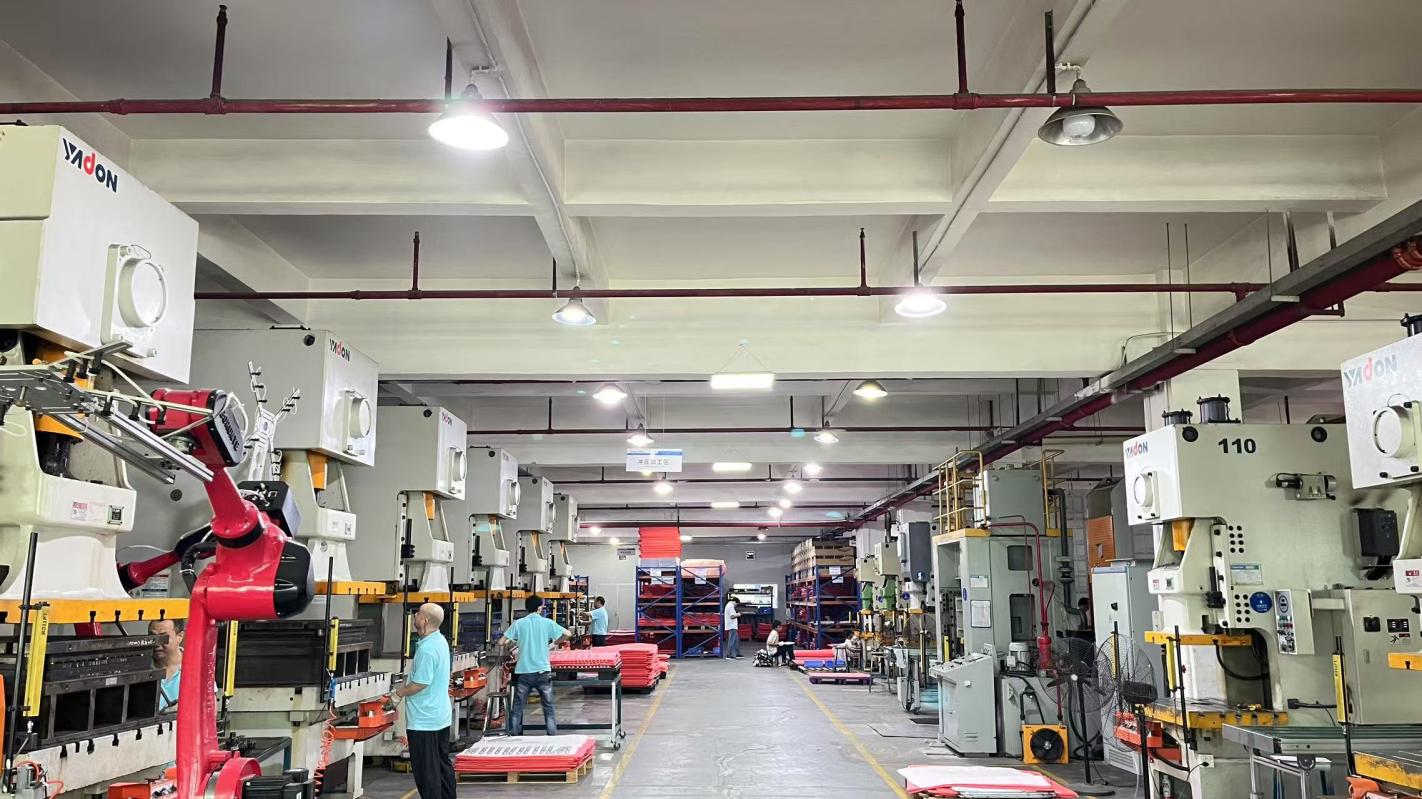
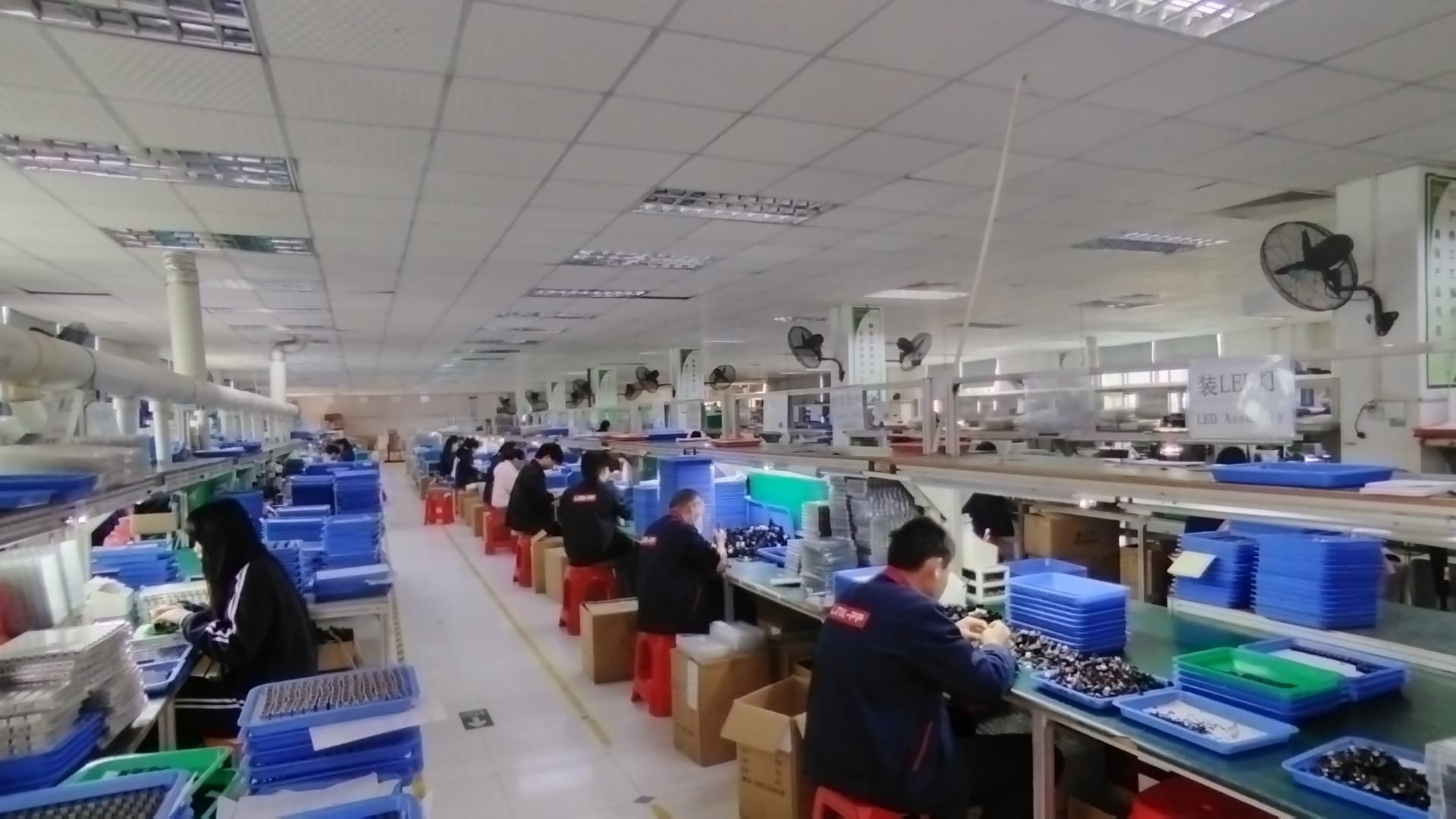
Detailed insight into certifications, logistics, thermal management, and custom engineering services.
CE (Conformité Européenne) certification is a legal requirement for distributing and deploying electrical systems in the EEA. It demonstrates that the server design meets EU safety standards, limiting electromagnetic interference (EMC) and ensuring electrical isolation (LVD). This reduces hardware damage risks and ensures seamless custom clearance and deployment in enterprise environments.
Our 45-person QC department performs multi-step evaluations, starting with raw material assessments, followed by post-solder AOI, under-load burn-in cycles in climate chambers, and final software compatibility checks. No unit is packaged without a certified QC sign-off.
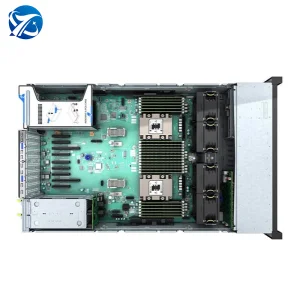
Yes, we specialize in heterogeneous layouts. Our chassis models support variable PCIe configuration brackets, enabling the integration of multi-GPU nodes for deep learning models alongside high-density enterprise NVMe or SATA hard drives to meet unique training requirements.
We offer full OEM and ODM customization services. This includes modified BIOS/UEFI firmware configuration, specific hardware branding, custom PCB motherboard designs, adjusted power supply configurations (like DC options for telecom use), and specialized thermal sink systems for unique operating climates.
Due to our close supply chain partnerships in the Shenzhen industrial zone, our standard component sourcing time is significantly lower. Standard server configurations ship within 14–21 business days, while highly customized ODM orders take roughly 30–45 days, depending on custom fabrication stages.
Enterprise storage components are highly sensitive to shock and static. All hard drives and servers are wrapped in ESD protective sleeves and shipped in custom-molded high-density polyethylene (HDPE) foam cases. We pack these inside double-walled corrugated outer cartons on reinforced shipping pallets to ensure zero transit damage.
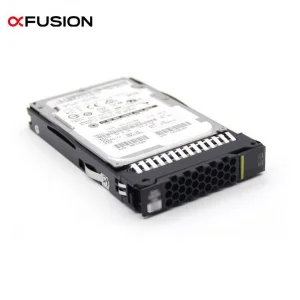
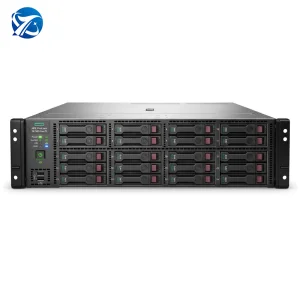
Browse our extended line of high-capacity SATA drives and multi-socket virtualization compute racks.