Borevo
Borevo
Borevo
Reliable high-throughput architecture supporting centralized security verification, biometric analysis, and localized databases.
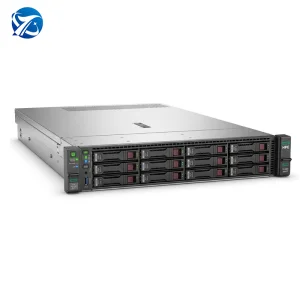
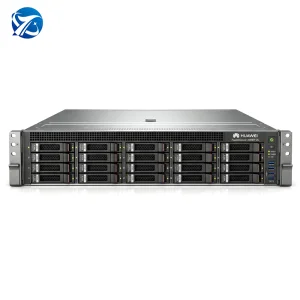
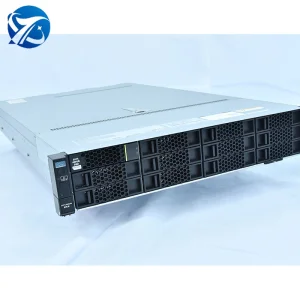
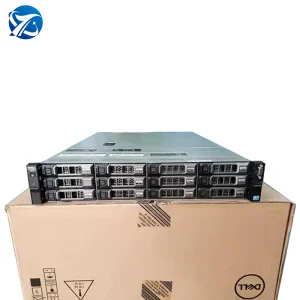
Modern commercial and industrial facilities no longer view access control as simple mechanical interventions or localized relays. Today's security posture is built on the convergence of Zero-Trust IT policies and physical validation interfaces. The integration of high-bandwidth compute architecture, cloud-managed authorization pipelines, and AI-driven spatial recognition has shifted structural security workloads toward robust server backbones capable of processing multi-modal telemetry in sub-millisecond intervals.
As enterprise networks expand, they require secure controllers that do not simply query static databases but continuously evaluate authentication patterns. This necessitates a fundamental reliance on CE-certified processing units, redundant storage systems, and advanced hardware security modules (HSMs) capable of protecting access databases at rest and in transit.
Deploying complex local neural networks directly at access nodes allows for real-time facial recognition and anomaly detection, eliminating structural latency and external cloud dependency.
Every ingress node operates on a micro-segmented network, requiring dynamic cryptographic handshakes to prevent spoofing or physical system interception.
Centralized policy definition combined with local survival capabilities ensures that even during complete WAN outages, facilities remain functional and fully secure.
The convergence of advanced computational power and security engineering has introduced several transformative trends reshaping the global access control footprint:
When global enterprises procure hardware for critical security infrastructure, they prioritize strict regulatory adherence, robust supply chain validation, and component reliability. Enterprise security projects demand architectures that maintain continuous operations under extreme electrical, operational, and ambient conditions.
For European and global deployment, the CE Mark is not merely a label; it represents conformity with directives concerning Electromagnetic Compatibility (EMC Directive 2014/30/EU) and Low Voltage safety (LVD 2014/35/EU). An uncertified controller or server unit represents a liability, capable of introducing interference to communication lines or posing safety hazards in localized electrical panels. Our manufacturing pipelines are specifically designed to guarantee that all structural components, power delivery arrays, and EMI shield mechanisms surpass these regulatory frameworks.
Procurement directors increasingly look at cybersecurity profiles of physical hardware. Standard requirements include:
Operating from our modern 18,600 ㎡ production facility, Borevo AI Infrastructure (China) Co., Ltd. represents the absolute integration of modern manufacturing automation and quality assurance. Established in 2018, with over 12 years of industry experience and 7 years of specialized global export experience, we have structured our production floor to meet the demanding requirements of global security projects.
Our supply chain model is anchored on strategic relationships with approximately 850 partner networks spanning PCB fabrication, semiconductor sourcing, structural thermal components, and microchip assemblies. This deep integration allows us to circumvent global component shortages and provide steady delivery times for critical infrastructure hardware.
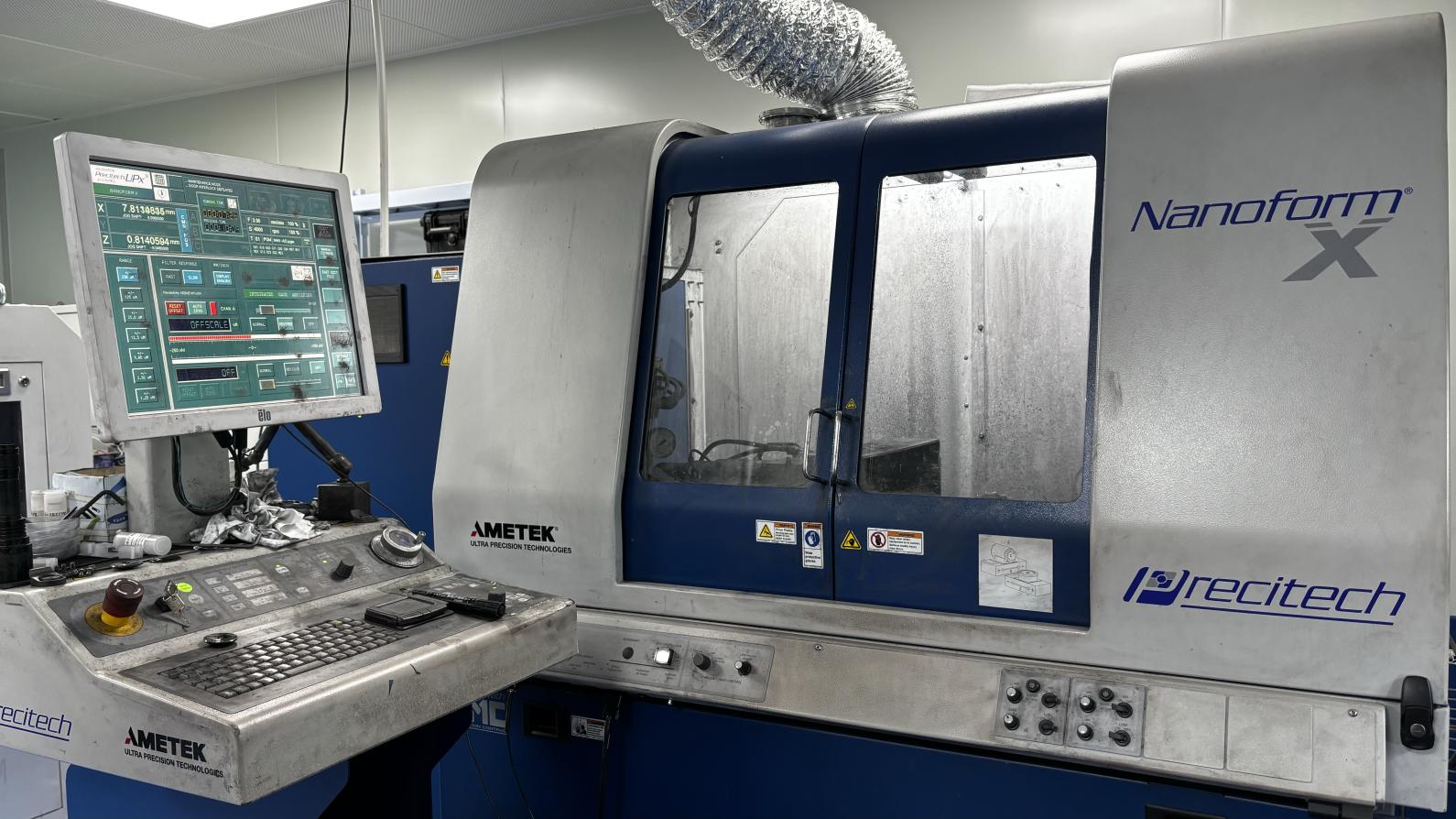

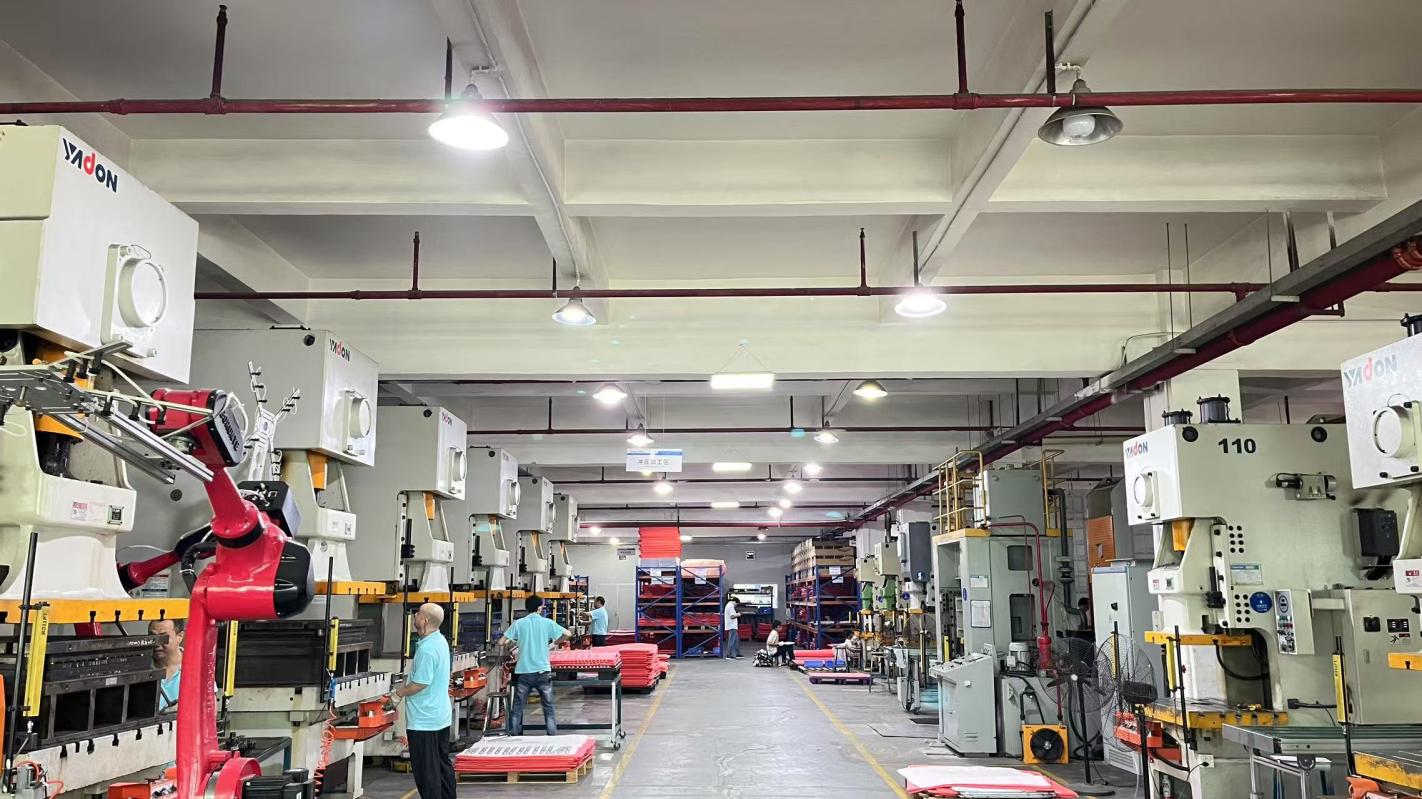
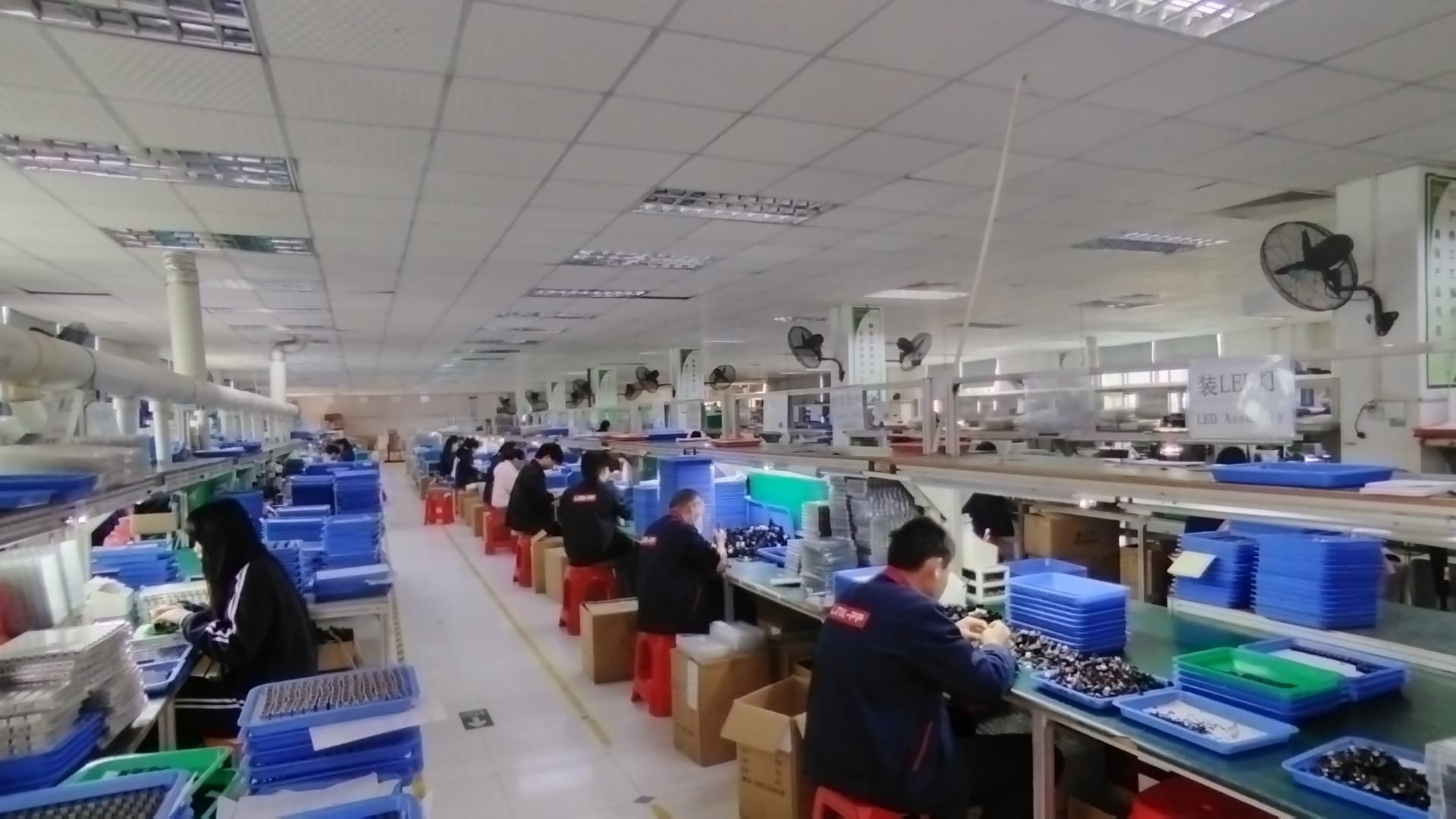
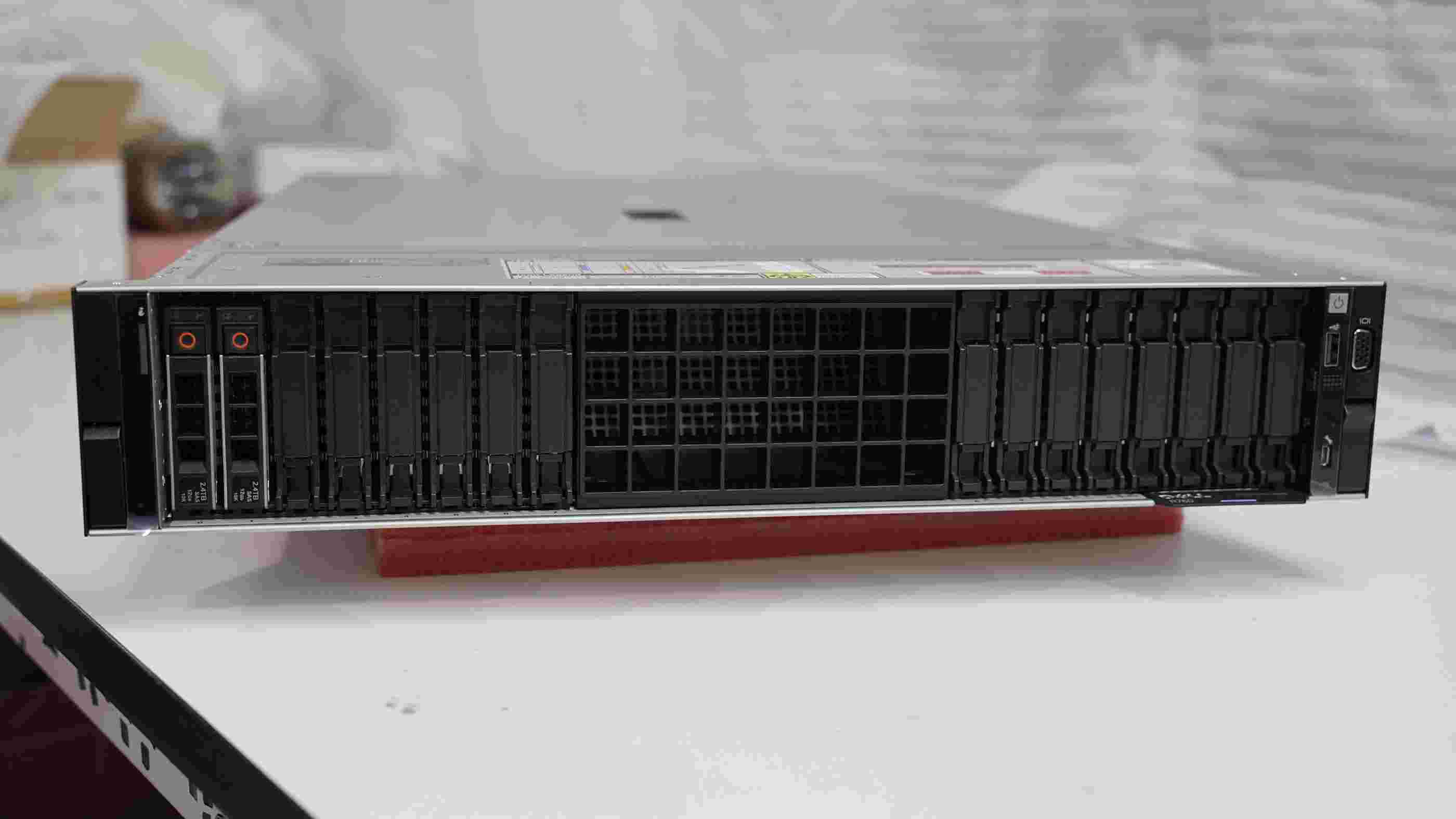
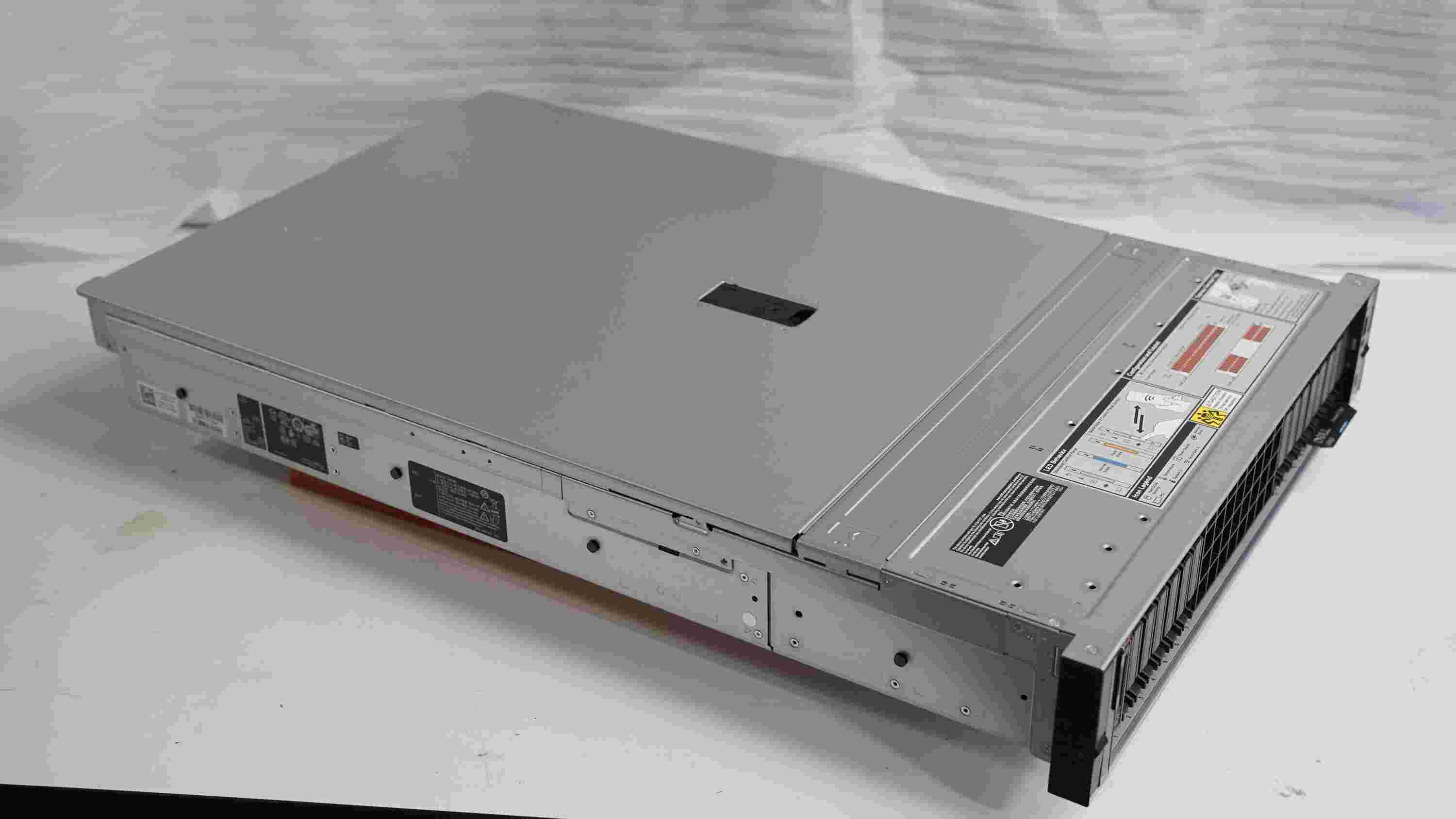
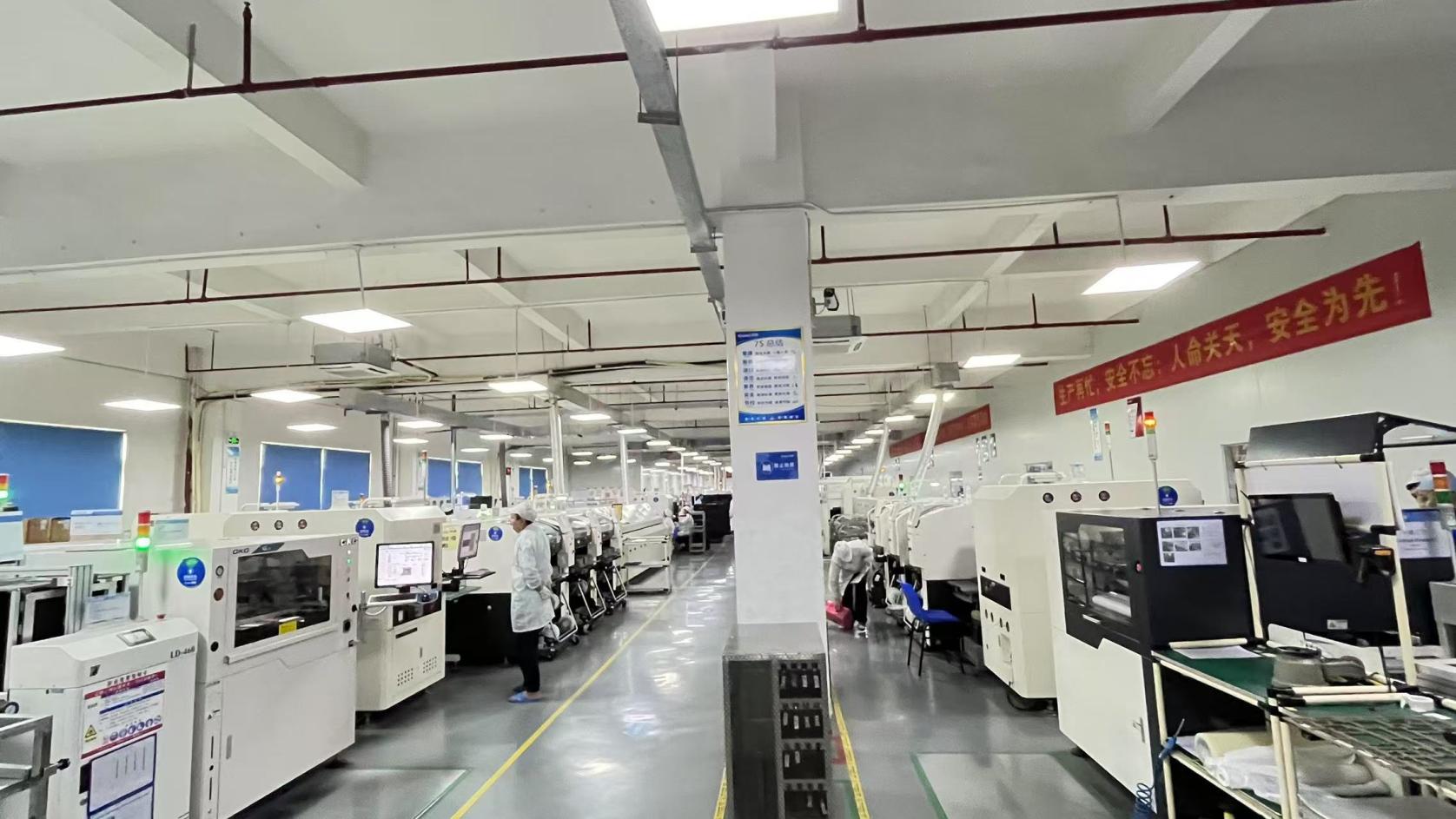
Under the supervision of our 45-member dedicated Quality Control team, every processing system, server rack unit, and storage controller undergoes strict validation protocols:
Modern high-performance infrastructure units power access control systems across various critical and enterprise-grade environments:
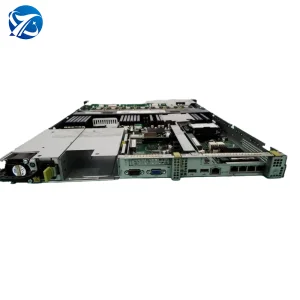
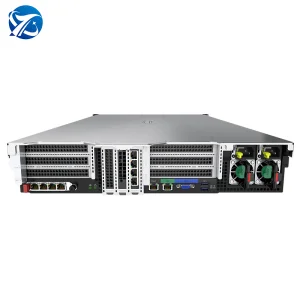
Securing physical servers requires multi-stage authorization (biometrics + smartcards) integrated with cabinet-level smart locks. Our 1U/2U rack servers handle authorization telemetry and manage system event logs across thousands of points concurrently.
Substations, water treatment plants, and telecom towers demand remote access controllers with local intelligence, ensuring independent perimeter protection even during network outages.
Managing pedestrian traffic via high-throughput speed gates requires fast AI-powered recognition nodes to maintain swift visitor flow without compromising safety protocols.
Addressing the technical, regulatory, and mechanical questions asked by system integrators and procurement engineers.
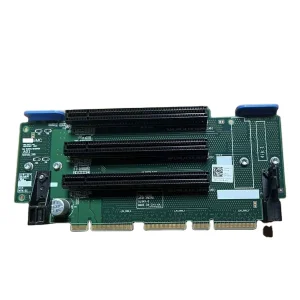
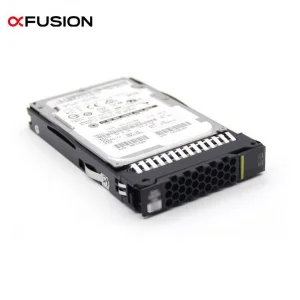
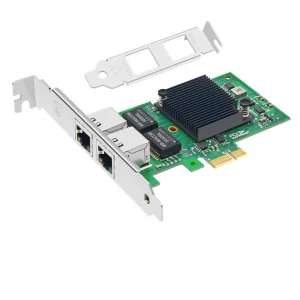
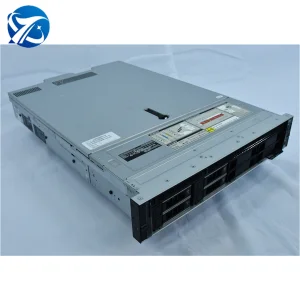
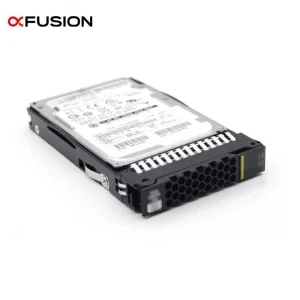
Enhance infrastructure capabilities with verified expansions, storage accessories, and multi-socket computing nodes.