Borevo
Choosing the right enterprise AI server manufacturer is crucial for business success. The ideal manufacturer must align with your specific needs. This decision impacts performance, scalability, and cost-efficiency. It’s not just about the hardware; it’s about the kind of support offered.
A reliable manufacturer provides robust solutions tailored to your industry. Look for their expertise in AI applications, as well as customer reviews. Their reputation is key. Connections with tech leaders can also indicate their legitimacy. However, watch out for brands that overpromise and underdeliver.
Assessing options requires diligence. Evaluate various manufacturers based on their technology, management, and service history. Engage directly with them to gauge their responsiveness. This will help you find a suitable partner in your AI endeavors. A thoughtful approach will lead to better outcomes.
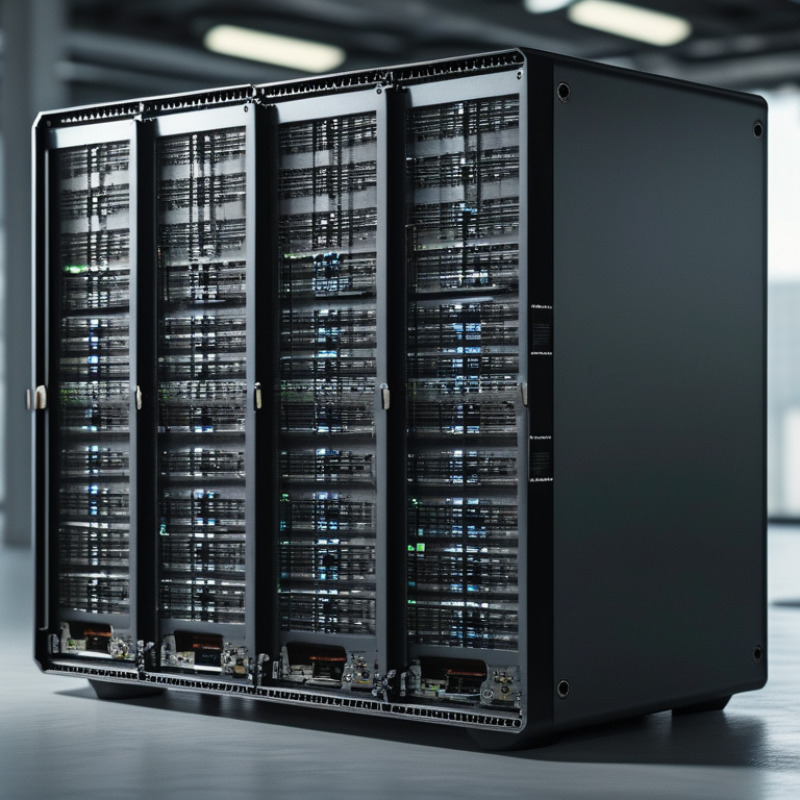
Enterprise AI servers are vital for organizations aiming to leverage artificial intelligence. Understanding their core components is essential. At a fundamental level, these servers integrate advanced computing power and storage solutions. They facilitate data processing required for training AI models. A reliable server must support high performance, reliability, and scalability.
When selecting an enterprise AI server, consider processing capabilities. Look for processors designed for heavy workloads. GPUs are essential for training deep learning models efficiently. Pay attention to the cooling systems, as they prevent overheating during intense computations. Additionally, ample memory and storage are crucial for handling large datasets.
It's also important to evaluate the server's compatibility with existing infrastructure. Not every solution fits every organization. Customizability is a factor to reflect upon. Furthermore, consider the support offered by the manufacturer. Technical assistance can make a significant difference during implementation and maintenance.
When selecting an AI server manufacturer, several key features should be closely examined. A primary consideration is the scalability of the hardware. According to a recent report by Gartner, over 75% of enterprises expect significant growth in their AI workloads. This means the servers must accommodate increased data processing needs effectively. Evaluate if the manufacturer offers flexible upgrade options for computing power and storage.
Performance specifications are crucial. Look for servers equipped with the latest GPUs and TPUs, which are essential for machine learning tasks. A study by Deloitte indicates that high-performance computing capabilities can reduce model training times by up to 50%.
Reliability is also a major factor. Manufacturers should provide comprehensive warranties and support services.
Another aspect to reflect on is energy efficiency. AI servers consume vast amounts of power. The International Data Corporation suggests that energy-efficient designs can cut costs by nearly 30% in operational expenses. Choosing a manufacturer committed to sustainable practices not only saves money but also supports environmental goals. However, be cautious; not all energy-efficient solutions deliver equivalent performance levels. Balancing efficiency with reliability is crucial in this evolving landscape.
When selecting an enterprise AI server manufacturer, evaluating their reputation and expertise is crucial. A reliable manufacturer should have a strong history in the industry. Look for long-standing experience, as it often reflects stability and knowledge. Companies that have faced various market conditions typically develop resilient solutions.
Consider seeking feedback from current and past clients. Online reviews and testimonials can offer insight into their operations. Assess how the manufacturer handles client inquiries and issues. This can reveal their commitment to service. Additionally, review case studies that showcase their success in delivering AI server solutions. These documents can highlight their problem-solving capabilities and innovation.
While evaluating a manufacturer, be mindful of potential red flags. A lack of transparency or overly vague claims could indicate poor performance. Take time to ask probing questions and understand their development processes. Understanding their approach can be just as important as their end products. By scrutinizing these factors meticulously, you ensure a well-informed decision.
When selecting an enterprise AI server manufacturer, it's crucial to compare performance metrics. Look for metrics like processing speed, throughput, and latency. These factors impact how efficiently servers handle AI workloads. A manufacturer might boast impressive specifications, but real-world performance can differ. User reviews and independent benchmarks are useful here. They provide insights that can reveal potential issues or advantages that manufacturers may not highlight.
Scalability options also play a vital role in choosing the right manufacturer. As business needs change, being able to scale resources up or down is crucial. Some manufacturers offer modular systems, allowing for easy upgrades. Others may have fixed configurations that limit future expansion. Assess your organization's growth projections. It’s worth considering how easily additional nodes can integrate into existing systems. Be cautious of manufacturers that promise seamless scalability but lack concrete evidence. Rely on case studies or testimonials that reflect authentic experiences.
When selecting an enterprise AI server manufacturer, it is crucial to assess the support and maintenance services they provide. Reliable support can be the backbone of a smooth operation. Consider how quickly they respond to inquiries. Time is often of the essence in AI environments. Look for manufacturers that offer 24/7 support. This level of commitment can help minimize downtime.
Maintenance services also play a vital role. Regular updates and patches are essential in keeping your system secure and efficient. Some manufacturers may promise support but fail to deliver timely updates. Investigate the frequency of these updates. Is there a well-defined process for addressing issues? Uncertainties in quality can lead to frustration.
Documentation and resources are just as important. Clear manuals and guides can enhance your experience. But what if these resources are lacking? You might find yourself hunting for basic information. Assess how easy it is to access their resources. A lack of transparency can raise red flags. Ensure a manufacturer prioritizes both support and transparent communication. This can make all the difference in your AI server performance.
I servers?
GPUs are crucial for efficiently training deep learning models, as they handle heavy workloads more effectively than standard processors.
Effective cooling systems prevent overheating during intense computations, ensuring reliable performance and longer server lifespan.
Not every server solution fits all organizations. Compatibility reduces integration issues and maximizes resource utilization.
Client feedback and reviews provide insight into a manufacturer's reliability and service quality, helping to inform purchasing decisions.
Look for long-standing industry experience and assess their problem-solving capabilities through case studies and client testimonials.
Key metrics include processing speed, throughput, and latency, all of which affect how well servers can handle AI workloads.
Scalability allows organizations to adjust resources based on changing business needs, enhancing overall flexibility and efficiency.
Beware of vague claims and lack of transparency, as these can indicate potential issues with performance and support.
Reviewing case studies can provide tangible examples of a manufacturer's success and innovation in delivering AI solutions.
Choosing the right enterprise AI server manufacturer is crucial for businesses looking to leverage artificial intelligence solutions effectively. Understanding the basic components and functionalities of enterprise AI servers lays the foundation for informed decision-making. When selecting a manufacturer, it is essential to consider key features such as processing power, storage capacity, and compatibility with existing systems.
Moreover, evaluating the manufacturer's reputation and expertise is vital to ensure reliability and innovation. Comparing performance metrics and scalability options can help determine which manufacturer best meets specific organizational needs. Lastly, assessing support and maintenance services offered by manufacturers ensures that businesses receive ongoing assistance and updates, further cementing a partnership that supports their AI initiatives. By taking these factors into account, organizations can find an enterprise AI server manufacturer that aligns with their strategic goals and technological requirements.
