Borevo
Choosing the right AI server manufacturer is crucial for your business. The performance and efficiency of your operations depend on this choice. With the rising demand for artificial intelligence, many manufacturers offer various products. However, not every manufacturer meets the specific needs of your organization.
When evaluating potential suppliers, consider their track record. Experience in the industry speaks volumes. A reliable manufacturer should provide robust support and warranty options. Look for customer reviews and case studies to assess their reputation. The right manufacturer will offer tailored solutions that align with your requirements.
It’s essential to weigh your options carefully. Don’t rush into a decision without researching. Compromising on quality can hinder your AI projects. Reflect on past experiences with technology partners. A thoughtful approach will help you avoid common pitfalls. The ideal AI server manufacturer will enhance your technological capabilities and drive success.
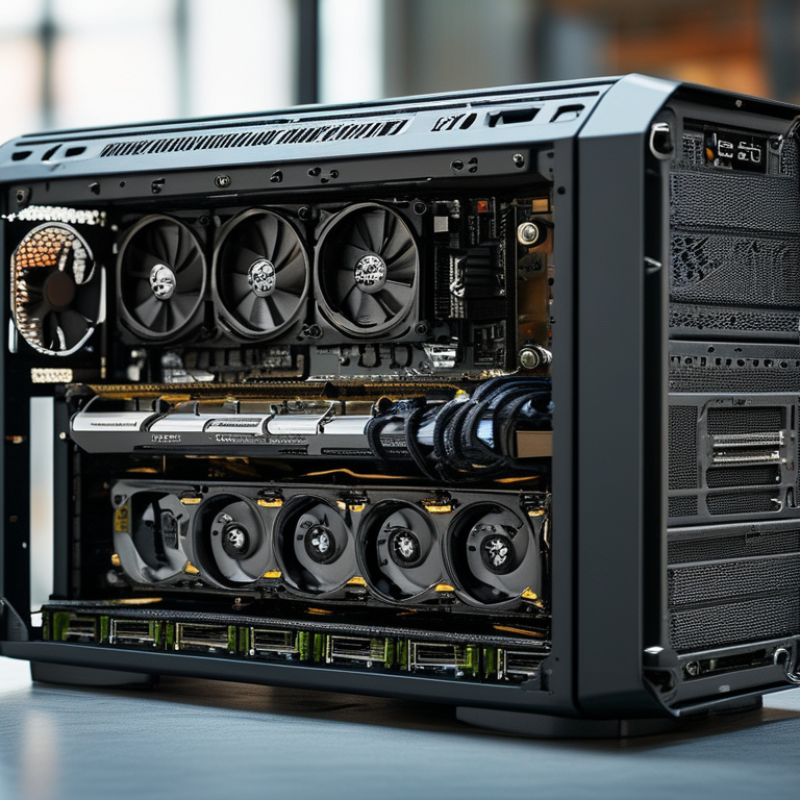
When choosing an AI server, it's crucial to understand your specific requirements and usage scenarios. Different applications can demand varying levels of storage, processing power, and memory. For instance, a data-intensive application may require a server with high RAM and efficient processing capabilities. In contrast, simpler machine learning tasks might function well on less powerful hardware.
**Tips:** Assess your current and future needs carefully. Will your AI projects scale? Consider potential growth to avoid frequent upgrades.
Additionally, think about the environment where the server will be deployed. In a data center, efficient cooling and power usage are key factors. If you are considering edge computing, look for servers designed for low-latency processing. Compatibility with existing infrastructure is also vital, as it influences integration ease.
**Tips:** Always review user feedback and expert opinions. Real-world performance can differ from specifications. Make informed comparisons based on trustworthy sources.
When selecting an AI server, several key features and specifications should guide your decision. Processing power is crucial. Look for servers equipped with advanced CPUs and GPUs, as they significantly enhance AI workloads. Memory capacity also plays a vital role, especially for complex models. Aim for at least 64GB of RAM to ensure efficient data processing.
Storage options should not be overlooked. Choose servers that offer SSDs for high-speed data access and retrieval. A minimum of 1TB of storage is recommended, with expandable options for future needs. System reliability is also essential. Consider servers with redundant components and robust cooling systems to prevent overheating during intensive tasks.
Tips: Evaluate software compatibility as well. Not all AI servers support the same frameworks. Low compatibility may hurt your workflow. Additionally, stay informed about the manufacturer's customer support. Reliable support can save you time when issues arise. Investing time in these evaluations is worth it. Make sure to reflect on your current and future needs to avoid premature upgrades.
| Feature | Description | Importance Level | Typical Specification |
|---|---|---|---|
| Processor Type | The type of CPU used, impacting performance and efficiency. | High | Intel Xeon, AMD EPYC |
| Memory Capacity | Amount of RAM available, affecting multitasking and data handling. | High | 256 GB - 2 TB |
| Storage Type | Type of storage used, influencing speed and capacity. | Medium | SSD, NVMe, HDD |
| GPU Support | Availability of dedicated graphics cards for AI workloads. | High | NVIDIA RTX, Tesla, A100 |
| Network Interface | Type of networking options available for data transfer. | Medium | 10 GbE, InfiniBand |
| Cooling System | System to manage heat from high-performance components. | Medium | Air, Liquid Cooling |
| Power Efficiency | How effectively the server uses power, affecting costs. | High | 80 PLUS Platinum |
When selecting an AI server manufacturer, reputation is crucial. A strong reputation often indicates reliability. Look for manufacturers with positive reviews and case studies. Check online forums for user experiences. These sources provide insights into the quality of products and services.
Customer support is equally important. A manufacturer may offer great products but fall short on support. Evaluate their response times. How quickly do they resolve issues? Quality support can save you time and frustration. Consider manufacturers that provide multiple channels of support, like chat, email, and phone.
Reflection on these aspects can guide your decision. A reputable manufacturer with poor support may hinder your progress. Conversely, a lesser-known company with excellent support may surprise you. Balance your priorities. Invest time in research; it pays off.
When selecting an AI server, performance metrics and cost play a critical role. Performance can vary widely based on the hardware specifications. Look at processing power, memory, and storage capacity. Efficient data processing boosts application speed. If you require real-time analytics, prioritize GPUs and high-frequency CPUs.
Cost analysis involves looking beyond the initial investment. Consider long-term operational costs. Energy consumption is a hidden expense. A server that uses less power can save substantial money over time. Analyze warranties and support services too. Sometimes a cheaper option leads to higher maintenance costs.
The balance of cost versus performance is complex. An exceptionally powerful server can exceed your budget. Evaluate your actual needs rather than just specifications. Understand the scalability of chosen servers. Future-proofing is vital; technology evolves rapidly, and so should your infrastructure. Mistakes in selecting can lead to wasted resources and inefficiencies. Always conduct a thorough assessment. It's about finding the harmony between performance, cost, and reliability.
When selecting an AI server manufacturer,
post-purchase support can significantly impact your experience. A 2022 industry report
revealed that over 70% of companies rank support quality as vital
when choosing a server provider. Ensure that the manufacturer offers around-the-clock technical assistance.
This can save time during critical downtime and enhance productivity.
Upgrade options are equally important. Many businesses expand their AI capabilities as tasks evolve.
Reports indicate that 63% of organizations prefer manufacturers
that provide seamless upgrade paths. Look for modular designs that allow easy enhancements.
Consider whether the vendor offers firmware updates and hardware expansions.
These features can prolong the lifespan of your server and improve return on investment.
Customer reviews are a valuable resource for gauging reliability.
A considerable percentage of users express dissatisfaction when upgrade options are limited.
Evaluate feedback regarding the manufacturer’s support responsiveness and upgrade processes.
This insight helps distinguish between options, leading to more informed decisions.
Don't overlook the potential for unforeseen hiccups in support and upgrades;
these areas require careful consideration.
I server?
Memory capacity is vital. Aim for at least 64GB of RAM for complex models.
SSDs provide high-speed data access. A minimum of 1TB storage is recommended.
Look for redundant components and effective cooling systems to prevent overheating.
Low compatibility may hinder your workflow. Ensure the server supports your needed frameworks.
Quality support impacts user experience. It can save time during critical downtimes.
Upgrade options allow for future enhancements. Modular designs can extend server lifespan.
Reviews reveal users’ satisfaction with support and upgrade options.
Unforeseen hiccups in support may disrupt operations. Careful evaluation is necessary.
Consider your current and future needs to avoid premature upgrades and regrets.
Choosing the right AI server manufacturer involves a comprehensive understanding of your specific needs and usage scenarios. Start by evaluating the essential features and specifications that align with your workload requirements. Key factors such as processing power, memory, and storage capabilities play a crucial role in ensuring optimal performance.
Next, consider the reputation of potential manufacturers and the quality of their customer support services. Reliable post-purchase support and upgrade options are vital for maintaining your AI infrastructure over time. Additionally, it's important to analyze cost versus performance metrics to ensure you're making a financially sound decision. By taking these steps, you can confidently select an AI server manufacturer that meets your organizational demands while providing robust support and performance.
