 Borevo
Borevo
Borevo
Choosing the right AI server hardware manufacturer is crucial in today’s tech-driven world. The growing demand for artificial intelligence applications has led to a booming market for AI server hardware. According to a recent report from Gartner, the AI hardware market is expected to reach $45 billion by 2026, reflecting the significant investment businesses are making in advanced technologies.
When selecting an AI server hardware manufacturer, it’s essential to consider several factors. Reliability, performance specifications, and support services should top the list. Many organizations report dissatisfaction with their current hardware due to scalability issues or inadequate technical assistance. These reflections indicate the importance of thorough research and understanding of potential manufacturers.
Additionally, the landscape of AI technology is rapidly changing. Manufacturers that excel today may not be the best choice in a few years. Reliable data on performance and real-world testing can help in making informed decisions. Investing time in evaluating different AI server hardware manufacturers is key to achieving long-term success.
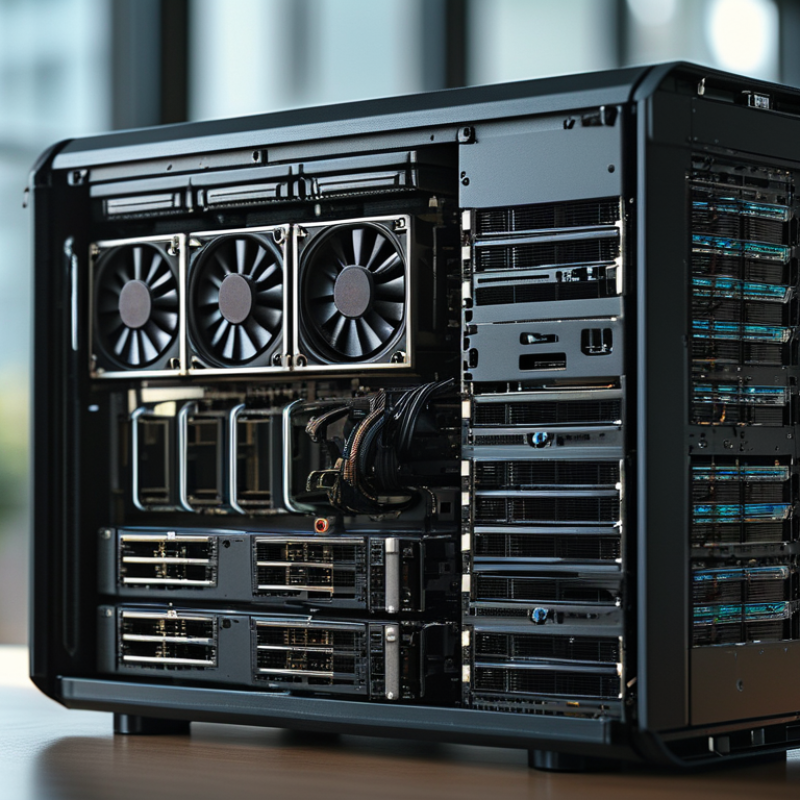
When choosing AI server hardware, understanding its components and requirements is crucial. AI workloads are demanding. They typically require powerful CPUs, high-performance GPUs, and ample memory. The right balance of these components can enhance performance drastically.
Tips: Assess your specific requirements. Determine the types of AI tasks you will run. This includes machine learning, data processing, or deep learning. Each task has different needs. For instance, deep learning often benefits from more GPUs and memory.
Cooling and power consumption are also vital factors. Efficient cooling systems prolong hardware life. High power consumption could lead to increased operational costs. Look for energy-efficient solutions that don’t compromise on performance.
Tips: Always consider future scalability. As AI evolves, your server needs may change. Investing in upgradeable systems can save you from costly overhauls later. Don’t rush the decision; think long-term.
| Criteria | Description | Importance (1-5) |
|---|---|---|
| Performance | Assessing CPU, GPU, and memory capabilities for AI workloads. | 5 |
| Scalability | Ability to accommodate growth in AI processing needs. | 4 |
| Reliability | Consistency of performance and uptime of the hardware. | 5 |
| Support | Availability and quality of customer support and service. | 4 |
| Cost | Total cost of ownership including acquisition and maintenance. | 3 |
| Energy Efficiency | Power consumption and cooling requirements for operation. | 4 |
| Compatibility | Support for different software frameworks and hardware integration. | 4 |
| Warranty and Service Agreements | Duration and terms of manufacturer support guarantees. | 3 |
I hardware manufacturers?
Strong customer support affects your satisfaction and the longevity of your investment. Responsive support adds reliability during urgent situations.
Look for 24/7 support and options like live chat. This can significantly reduce downtime and help navigate issues quickly.
A robust warranty reflects manufacturer confidence. Longer warranties often indicate higher quality. Understand what the warranty covers.
A straightforward claims process reduces frustration. Complicated procedures can be problematic when issues arise.
Yes, some manufacturers may lack support or scalability. This can lead to dissatisfaction and additional costs long-term.
Analyze previous projects and verified customer testimonials. Reported case studies can indicate reliability and quality.
Yes, comprehensive training resources can help your team effectively handle issues, improving overall satisfaction and efficiency.
High-quality hardware investments yield better performance and reduce operational costs. Think about the longevity of your choice.
Research thoroughly, compare options, and reflect on long-term needs. Avoid choices based solely on low prices.
When selecting the best AI server hardware manufacturer, it's essential to begin with a clear understanding of the specific hardware requirements for your AI applications. This involves evaluating key features such as processing power, scalability, energy efficiency, and compatibility with software frameworks. Once you’ve identified your needs, researching reputable manufacturers becomes crucial. Look for companies with a proven track record in delivering robust and reliable AI server solutions.
Comparing costs and performance metrics of different manufacturers is vital to ensure you receive the best value for your investment. Additionally, assessing customer support and warranty options can greatly influence your decision, as strong after-sales service is often indicative of a manufacturer’s commitment to quality and customer satisfaction. By following these steps, you can confidently choose an AI server hardware manufacturer that meets your organization's unique requirements.
