Borevo
In the rapidly evolving tech landscape, selecting the right high performance AI server manufacturer is critical. According to a recent IDC report, the global market for AI servers is projected to reach $45 billion by 2026, driven by advancements in machine learning and deep learning applications. This growth underscores the importance of choosing a reliable manufacturer that can deliver the necessary power and efficiency.
Dr. Emily Chen, an expert in AI infrastructure, emphasizes, “The success of AI models heavily relies on the underlying hardware. A stellar AI server makes all the difference.” This highlights the need for businesses to evaluate their options carefully. Not all manufacturers offer the same level of performance or support, and some may fall short of expectations.
As companies embark on their AI journeys, they must reflect on the long-term implications of their choices. Selecting a high performance AI server manufacturer is not just about immediate needs. It’s about future scalability and support. A misinformed decision can lead to costly setbacks. Organizations should prioritize those manufacturers with proven track records and innovative solutions that align with their strategic goals.
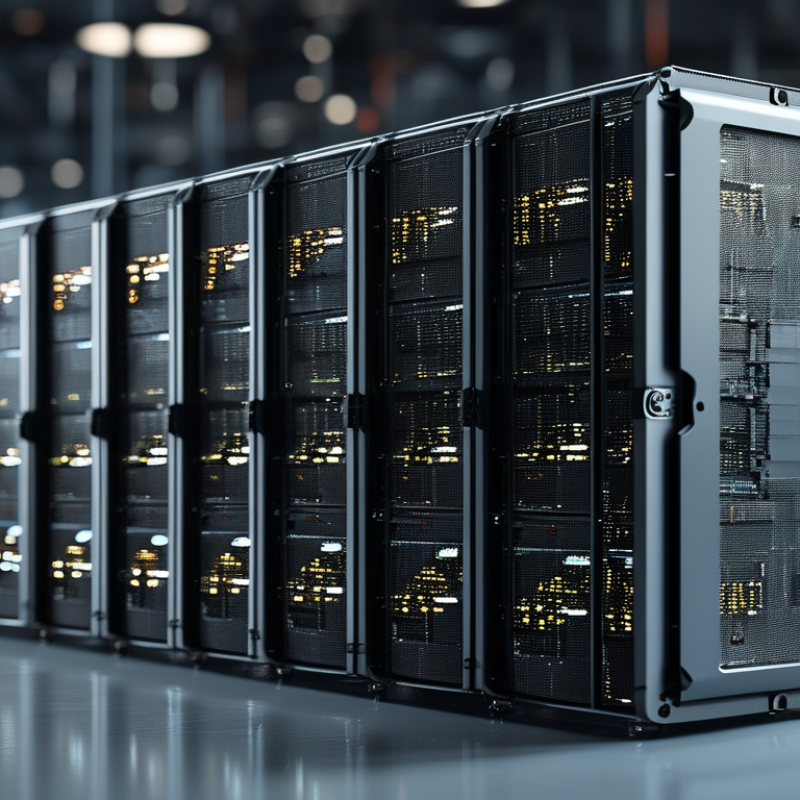
In 2026, high-performance AI servers are crucial for organizations aiming to leverage advanced machine learning capabilities. Reports indicate that the global AI server market is projected to grow significantly, reaching $22 billion by 2027. This growth is driven by the increased demand for faster processing and higher efficiency. Companies are focusing on optimizing their infrastructure to handle large datasets and complex algorithms.
A recent industry study highlighted that AI workloads require specialized hardware to thrive. GPUs are now commonly used in servers to accelerate AI computations. However, transitioning to these high-performance systems is not without challenges. Integration complexities and high initial costs often deter companies. It’s essential to weigh the benefits against these obstacles.
As new technologies emerge, the landscape will continue to evolve. AI servers need constant updates to stay relevant. Many organizations struggle to keep pace with rapid advancements. Some firms invest heavily but fail to fully utilize their AI capabilities. Regular assessments of server performance can help identify gaps and areas for improvement. Ultimately, adaptability will determine success in this competitive market.
When evaluating AI server technology, specific features are crucial. High-performance computing capabilities and exceptional data processing speed stand out. Look for servers equipped with powerful GPUs. These enhance parallel processing, ideal for AI tasks. Make sure they support large datasets efficiently.
Storage options matter too. Fast SSDs are essential for quick data access. Consider expandable storage for future needs. This flexibility is vital as AI projects grow. Also, check for advanced cooling solutions. Efficient cooling ensures optimal performance during heavy workloads.
Tips: Always monitor the server's thermal performance. Overheating can throttle processing speed. Regular updates on software and security enhance reliability. Be mindful of the type of workloads. Different tasks may require specific configurations. This reflection can help prevent future issues.
When choosing a high-performance AI server, various manufacturers offer compelling options. These companies focus on powerful processors, ample memory, and efficient cooling systems. Their products cater to a range of needs, from simple data analysis to complex machine learning tasks. Each manufacturer has unique features that can influence performance.
Take notice of the cooling technology used. Efficient cooling is crucial for sustaining high performance during demanding tasks. Some manufacturers implement innovative designs that enhance airflow. Others focus on liquid cooling systems, which might seem niche but prove beneficial under heavy loads.
Furthermore, support and service matter greatly. A reliable support system can make or break your experience. It's essential to evaluate each manufacturer's reputation for customer service. Some may excel in hardware, yet falter when it comes to software integration. This inconsistency highlights the importance of thorough research when selecting an AI server manufacturer. The ideal approach combines technical specifications with real-world performance reviews.
In the rapidly evolving realm of AI servers, performance and cost remain pivotal considerations. Recent industry reports indicate that high-performance AI servers can enhance computational efficiency by up to 70%. This underscores the importance of evaluating various manufacturers. The performance metrics often hinge on GPU capabilities and memory bandwidth, which are crucial for AI workloads.
Cost-wise, the analysis reveals a significant disparity among leading manufacturers. Some models, although high in performance, can come with a price premium of nearly 50%. For enterprises, balancing these factors is essential for maximizing ROI. Some reports suggest that over 30% of companies opt for a mix of mid-range and high-end solutions to diversify their workloads effectively. This dual approach reflects a growing trend in AI infrastructure, pushing firms to re-evaluate their spending strategies.
Another interesting finding is the emphasis on long-term reliability. Many high-performance servers face challenges in thermal management and power consumption. According to studies, nearly 20% of organizations report unexpected downtime attributed to overheating in high-performance environments. Reflecting on these issues can lead to better infrastructure planning and ensure consistency in AI operations.
| Manufacturer | Processing Power (TFLOPS) | Memory (GB) | Storage (TB) | Price (USD) |
|---|---|---|---|---|
| Manufacturer A | 200 | 512 | 10 | 30000 |
| Manufacturer B | 250 | 1024 | 15 | 35000 |
| Manufacturer C | 180 | 768 | 12 | 28000 |
| Manufacturer D | 220 | 256 | 8 | 32000 |
| Manufacturer E | 300 | 2048 | 20 | 40000 |
Artificial intelligence (AI) servers are rapidly evolving. Future designs will focus on increasing processing power and efficiency. We can expect architecture improvements that enhance data handling. This means faster, more responsive systems. A shift towards energy-efficient components is also crucial. Sustainable technology will help reduce environmental impact.
Configurability is becoming more important. Being able to customize AI servers for specific tasks will allow organizations to get the most out of their resources. Some manufacturers may struggle with this customization aspect. A lack of flexibility can hinder performance. Moreover, scalability will play a key role in future designs. Servers must easily accommodate increasing workloads without compromising speed.
Another trend to watch is the integration of advanced cooling solutions. Traditional cooling methods may become insufficient as server performance increases. Innovative cooling systems could offer better heat management. However, these advancements often come with complexity. Balancing performance, cost, and reliability is essential. It’s clear that the future of AI server design needs continuous reflection and adaptation.
I server?
Efficient cooling sustains high performance during demanding tasks.
Options include innovative airflow designs and liquid cooling systems.
Reliable support can enhance or impair your overall experience.
Expect focus on processing power, efficiency, and energy-efficient components.
Customizing servers for specific tasks optimizes resources for different workloads.
A lack of flexibility can hinder performance in specialized tasks.
Advanced cooling systems will be necessary to manage increased server performance.
Scalability allows servers to handle more workloads without losing speed.
These factors must align for effective and sustainable server operation.
The 2026 landscape of high performance AI servers is marked by significant advancements and innovations that cater to the evolving demands of AI applications. When selecting a high performance AI server manufacturer, it's essential to consider key features such as processing power, memory capacity, cooling systems, and scalability options. These components directly impact the server's ability to handle complex AI workloads efficiently.
Additionally, a comparative analysis of performance and cost among various manufacturers reveals that while some may offer cutting-edge technology, others provide competitive pricing without compromising essential features. As the industry progresses, future trends indicate a shift towards more energy-efficient designs and enhanced integration of AI-specific hardware, signaling a transformative phase in the market. This progression underscores the importance of partnering with a reputable high performance AI server manufacturer that can provide both technological excellence and cost-efficiency.
